Shose expert

15 Years Manufacturing Experience
DSC00533

Top Slip On Casual Shoes Suppliers for Global Buyers

Finding dependable Slip‑On Casual Shoes suppliers takes more than comparing catalog photos. Global buyers need to assess product quality, production capability, communication, and delivery reliability together. A clean product image cannot show whether the elastic gusset keeps its shape or the outsole grips a smooth floor.

This guide explores supplier options and the practical checks that help buyers make informed comparisons. Look closely at materials, stitching, insole comfort, sizing consistency, and packaging. Request physical samples, then inspect them under ordinary use: walk on different surfaces, check seams, and compare pairs across sizes. Ask suppliers how they manage quality checks and whether they can provide clear product specifications. No checklist catches everything.

Production capacity matters, but a large factory is not automatically the right fit. Buyers should discuss order quantities, sample timelines, customization limits, and expected lead times before making commitments. Clear answers are useful. Vague promises deserve follow-up. Shipping plans and export documents also affect whether an order arrives ready for distribution, so confirm responsibilities in writing.

The strongest supplier relationship is built on evidence, not a polished sales pitch. References, documented processes, and consistent sample quality can offer useful signals, though none guarantees a perfect order. Some details may only become clear after production begins. That is worth admitting. The sections ahead outline ways to compare suppliers, reduce avoidable surprises, and choose a partner whose capabilities match your market and product requirements.
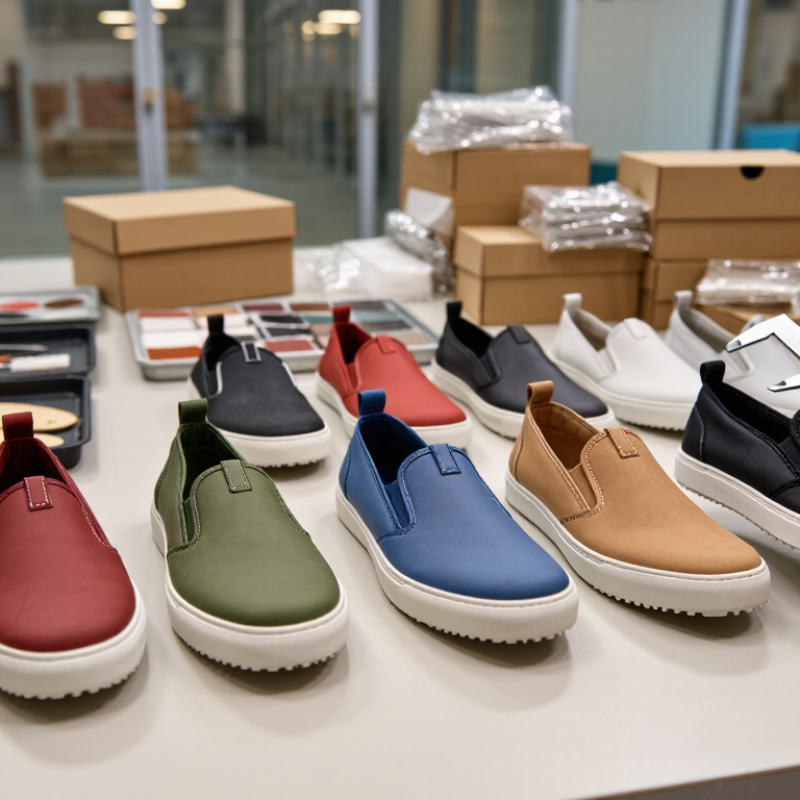
Top Slip On Casual Shoes Suppliers for Global Buyers

Understanding Slip-On Casual Shoes and the Global Supply Market

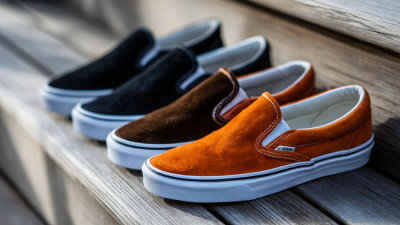
Slip-on casual shoes are designed for quick wear, with no laces to adjust. Common styles use canvas, knit mesh, or soft leather uppers, paired with flexible rubber or EVA soles. A clean-looking shoe still depends on fit. Heel grip, toe room, and sole flexibility affect comfort during a full day of walking. Materials also behave differently in heat and humidity.

For global buyers, the supply market includes specialist factories, trading companies, and regional wholesalers. Their offers may look similar, but construction details can differ. Request a size run, material specifications, outsole thickness, and stitching samples before approving bulk production. Check how suppliers manage color consistency and replacement components. Small details matter. Pale uppers can show glue marks, while thin soles may feel stiff on hard floors. Confirm carton dimensions and packing methods, too; both can affect freight efficiency and product condition.

Reliable sourcing involves more than comparing unit prices. Review sample quality, production capacity, lead times, and communication habits, then confirm changes in writing. A delayed reply during sampling may signal a coordination problem, though one message is not proof. I would not treat a polished sample as a guarantee. Production batches can vary. Requesting pre-shipment photos or inspection records can help, but neither replaces clear acceptance criteria.
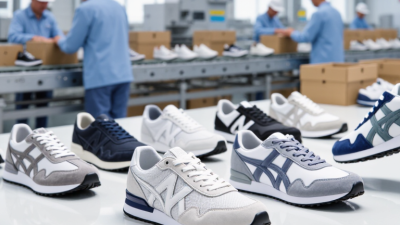
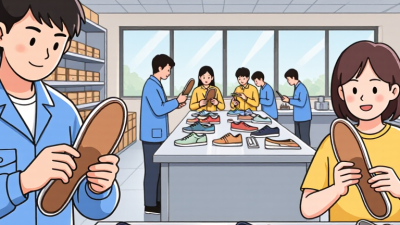
Types of Suppliers and Their Manufacturing Capabilities

Slip-on casual shoe suppliers generally fall into three groups: direct factories, OEM or ODM manufacturers, and trading companies. Direct factories control cutting, stitching, lasting, and sole attachment. Buyers can ask to see production lines and inspect how uppers are joined to the outsole. Details matter. A neat sample does not guarantee consistent bulk production.

OEM manufacturers make shoes to a buyer’s specifications, while ODM suppliers offer existing patterns that can be adjusted. Their capabilities may include fabric sourcing, color matching, private-label packaging, and custom footbeds. Ask whether sample development, size grading, and production happen in-house. Some suppliers outsource key steps, which can affect timing and quality control.

Trading companies can help buyers compare factories and coordinate communication, especially for smaller orders. However, they may have limited visibility into workshop conditions or production changes. Request a clear process for checking materials, stitching density, glue application, and sole flexibility. A simple wear test can reveal early separation or discomfort. Not every supplier can provide detailed test records, and that gap deserves attention. Discuss order minimums, sample revisions, defect handling, and realistic lead times before approving production.

Major Sourcing Regions for Slip-On Casual Shoes

China’s coastal manufacturing clusters are a common starting point for buyers sourcing slip-on casual shoes. Suppliers in Guangdong, Fujian, and Zhejiang may offer access to outsole molding, stitching, and packaging partners. This proximity can shorten sampling rounds, though capacity and workmanship still vary. Ask to inspect a production sample, not only a showroom pair. Small details matter. Check elastic gore recovery, lining seams, adhesive edges, and whether both shoes match.

Vietnam and Indonesia are worth comparing for canvas, knit, and synthetic upper options. India may suit buyers exploring leather and textile constructions, but lead times can depend on material sourcing and seasonal capacity. Turkey can be practical for nearby European markets when replenishment speed matters. Still, a map is only a first filter. Compare minimum order quantities, testing records, labor conditions, and delivery performance using the same checklist. Ask where components are made. A polished sample does not prove stable bulk quality, so buyers should leave room for uncertainty.

Top Slip On Casual Shoes Suppliers for Global Buyers - Major Sourcing Regions for Slip-On Casual Shoes

Sourcing Region Established Footwear Hubs Relevant Slip-On Categories Sourcing Strengths Buyer Considerations
China Guangdong, Zhejiang, Fujian Canvas slip-ons, casual sneakers, synthetic- and leather-upper styles Broad footwear and component supply networks; a wide range of materials, construction methods, and production scales. Confirm factory capabilities, material traceability, minimum order quantities, and compliance requirements for the destination market.
Vietnam Ho Chi Minh City area, Binh Duong, Dong Nai Casual canvas shoes, textile slip-ons, vulcanized and cemented constructions A major export-oriented footwear manufacturing base with experience serving international supply chains. Check the origin of materials and components, available production capacity, and applicable trade rules.
Indonesia West Java, Banten, East Java Textile and synthetic casual slip-ons, lightweight everyday footwear Established footwear production base, including export manufacturing and access to regional material suppliers. Assess factory specialization, workforce and capacity planning, and logistics options from the selected industrial area.
India Agra, Kanpur, Chennai and surrounding Tamil Nadu clusters Leather loafers, moccasin-inspired slip-ons, textile and synthetic casual shoes A diverse footwear sector with leather-working skills and a substantial domestic supplier base for footwear materials. Specify leather standards, upper and sole construction, testing protocols, and export documentation in advance.
Bangladesh Dhaka, Gazipur, Chattogram Leather and synthetic casual footwear, including selected slip-on constructions A developing footwear and leather-goods manufacturing sector with export-oriented production. Verify the supplier’s experience with the required shoe construction, component sourcing, quality controls, and shipping schedule.
Portugal Felgueiras, Guimarães, and the wider northern footwear cluster Leather loafers, casual leather slip-ons, and small-batch fashion footwear A long-established European footwear industry with specialist manufacturing and access to nearby European markets. Compare production costs and minimum quantities; confirm material specifications and delivery terms directly with suppliers.
Brazil Rio Grande do Sul, São Paulo, Ceará Leather and synthetic casual shoes, lightweight textile styles, everyday slip-ons A large footwear-producing country with regional manufacturing clusters and a broad domestic industry. Review freight routes, import duties, product testing needs, and the supplier’s export experience for the target market.

Note: Regional capabilities vary by factory. Confirm product specifications, production capacity, compliance, pricing, and lead times directly with prospective suppliers.

How to Assess Supplier Quality, Compliance, and Production Capacity

Assessing a slip-on shoe supplier starts with repeatable checks, not a polished sample alone. Request production samples in several sizes and compare stitching, sole bonding, fabric thickness, and fit. Flex each shoe by hand and inspect whether the upper creases cleanly or pulls away from the sole. Ask how defects are recorded and what triggers a production hold. A vague answer matters.

Compliance needs evidence that matches the destination market and the exact materials used. Review current test reports, material declarations, and factory quality procedures; confirm that product names and specifications align across documents. If a supplier changes adhesives or fabric, ask how that change is assessed. Paperwork can look complete while missing a small detail.

Capacity is more than a monthly output figure. Request a recent production schedule, staffing levels, lead times, and examples of how the factory handled peak orders. Check whether cutting, stitching, and sole attachment happen on-site or are subcontracted. No checklist catches everything. A video call may show tidy shelves, but it cannot prove steady quality over a full run. I would treat capacity claims as estimates until sample results, records, and delivery performance support them.

Suggested buyer-assessment weighting, not supplier rankings or market survey results. Review quality systems, product testing records, compliance documents, verified production capacity, and delivery performance. Adapt the weighting to your product and destination-market requirements.

Steps for Comparing Suppliers and Choosing the Right Partner

Compare suppliers against the same specification, not polished catalogue photos. Send each one an identical brief covering upper material, outsole, color, size range, packaging, and target delivery date. Ask for a physical sample and record fit, seam consistency, glue marks, and sole flexibility. Small details matter.

Request written figures for minimum order quantities, sample lead times, production capacity, and defect handling. Then check whether those figures match your launch plan. Ask how the supplier inspects incoming materials and finished pairs, and request recent inspection records where available. A tidy sample does not prove consistent bulk production. I would also verify claims about recycled or certified materials against supporting documents; paperwork can be incomplete.

The World Footwear Yearbook 2024 reports that global footwear production reached

23.9 billion pairs in 2023, with Asia accounting for about 88 percent.

That scale makes capacity and shipment planning important, but a large factory is not automatically the right partner. Compare delivery performance, communication speed, and willingness to flag production risks early. Ask for a dated production schedule with checkpoints for material approval, size-set review, and final inspection. Leave room for delays; my comparison would not be perfect without checking a second production run.