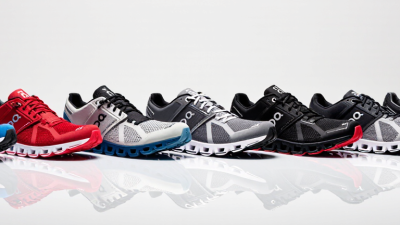
Choosing the right Running Shoes Manufacturer means balancing performance, cost, and dependable production. Demand is real, but so is buyer risk. Grand View Research valued the global running-footwear market at about $16.1 billion in 2023. Its report projects continued growth through 2030. SFIA’s 2024 Topline Participation Report counted 50.4 million U.S. participants in running or jogging during 2023. These figures suggest a broad customer base, not guaranteed sales for every wholesale order. Buyers still need products suited to their own markets.
A supplier’s catalogue is only the starting point. Ask for size-specific samples, material specifications, production lead times, minimum order quantities, and written quality-control procedures. Examine the outsole grip, upper stitching, heel support, and cushioning after repeated wear. Small defects matter when hundreds of pairs reach customers. Request relevant test records, and verify that product claims match the evidence supplied. A low unit price can look attractive, yet inconsistent sizing or delayed replenishment may erase the savings. No market report can confirm how a shoe will perform on your customers’ roads. That part requires careful sampling. Even then, expectations differ by runner, and buyers should allow for some uncertainty. This guide compares manufacturers through practical sourcing criteria, helping wholesale buyers ask sharper questions before committing to an order.

Wholesale buyers define a top running shoes manufacturer by repeatable performance, not polished product photos. The factory should explain its materials, construction methods, production capacity, and quality checks in clear terms. Ask how it tests outsole grip, seam strength, and cushioning after repeated use. Specific answers matter. Vague promises do not.
A useful evaluation starts with samples. Check whether left and right shoes feel consistent, stitching stays even, and the sole bonds cleanly around the toe. Try them on different feet if possible. Fit matters. Request a written sample approval process, then compare bulk production against the approved pair. Ask how the manufacturer handles size tolerances, defects, lead times, and order changes. These details can prevent costly surprises.
Wholesale buyers should also assess communication and realistic capacity. A responsive contact who flags delays early is often more valuable than an impressive production estimate. Request references or audit records where available, and confirm that quoted specifications appear in the purchase documents. No scorecard catches everything. A first order may still reveal gaps, so begin with manageable quantities and review the results before expanding. The best partner is not simply the cheapest; it is the one that can explain what it can deliver, then deliver it consistently.
| Evaluation Dimension | What Buyers Should Check | Practical Screening Benchmark | Evidence to Request | Why It Matters |
|---|---|---|---|---|
| Product performance | Fit consistency, cushioning, grip, flexibility, and durability for the intended running surface and use. | Assess samples against a written product brief and compare the same tests across all shortlisted suppliers. | Product specifications, wear-test results, material details, and pre-production samples. | Clear performance criteria help reduce quality surprises and mismatches with the target customer. |
| Quality management | Incoming-material checks, in-process inspections, final inspection, and procedures for handling defects. | Agree on inspection stages, acceptable defect criteria, and corrective-action timelines before placing an order. | Quality-control procedures, inspection reports, defect records, and corrective-action examples. | Documented controls make product consistency easier to monitor from batch to batch. |
| Production capacity | Available production lines, current workload, seasonal capacity, and ability to meet the requested order quantity. | Confirm capacity for the specific model, size range, colorways, and delivery window—not just factory-wide output. | Production plan, capacity confirmation, order schedule, and details of any subcontracted work. | Capacity that matches the order reduces the risk of delays and incomplete shipments. |
| Minimum order quantity and flexibility | Minimum quantities per style, color, and size, plus options for repeat orders and assortment planning. | Compare the full order structure, including setup charges and minimums for each color or specification. | Written quotation, minimum-order terms, sample charges, and reorder conditions. | A transparent order structure helps buyers assess inventory commitments and total sourcing costs. |
| Lead time and delivery reliability | Sample development, material procurement, production, inspection, and shipping milestones. | Request a dated production schedule and confirm how delays or material shortages are communicated. | Milestone schedule, recent on-time delivery records, and shipment documentation for comparable orders. | Realistic schedules help buyers plan launches, replenishment, and inventory levels. |
| Compliance and traceability | Applicable product-safety, chemical, labeling, and market-specific requirements, along with material traceability. | Verify requirements for the destination market and check that supporting documents match the relevant product and materials. | Current test reports, material declarations, supplier records, and product-labeling details where applicable. | Requirements vary by market; accurate records support due diligence and help manage compliance risks. |
| Cost transparency | Unit price, tooling, sampling, packaging, inspection, freight terms, and possible surcharges. | Compare quotations using the same specifications, order quantities, currency, and delivery terms. | Itemized quotation, payment terms, packaging specification, and stated assumptions or exclusions. | A like-for-like cost comparison is more useful than comparing unit prices alone. |
| Communication and after-sales support | Response clarity, issue escalation, production updates, and support for claims or replacement requests. | Agree on named contacts, update frequency, response expectations, and a documented claims process. | Communication plan, warranty or claims terms, and examples of issue-resolution procedures. | Responsive coordination helps resolve production and quality issues before they disrupt supply. |
| Note: Screening benchmarks are practical buyer guidelines, not universal industry standards. Confirm product specifications, legal requirements, and commercial terms for each order and destination market. | ||||