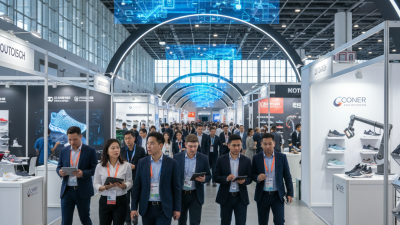
Choosing a Casual Shoe Factory is more than comparing prices or browsing polished product photos. The right partner should understand your design, materials, production volume, and quality expectations. A neat sample is useful, but it cannot tell the whole story.
Look closely at practical details. Ask how the factory checks stitching, sole bonding, sizing, and color consistency across a production run. Request clear information about minimum order quantities, sample costs, lead times, and how changes are handled. If possible, inspect a sample yourself: flex the sole, examine the seams, and compare both shoes for shape. Small checks reveal a lot.
Still, no factory is perfect. Communication may slow down during busy periods, and an early estimate may change when material specifications become clearer. That is worth discussing before placing an order. Ask who will answer production questions, how problems are documented, and what happens when a sample differs from the approved design. Specific answers are more reassuring than broad promises.
This guide covers ten useful ways to assess a potential factory, from product expertise and workmanship to transparency and production capacity. It is not a shortcut to certainty. Rather, it offers a practical framework for asking better questions and weighing the evidence. A thoughtful choice can reduce avoidable surprises, though some judgment calls remain.
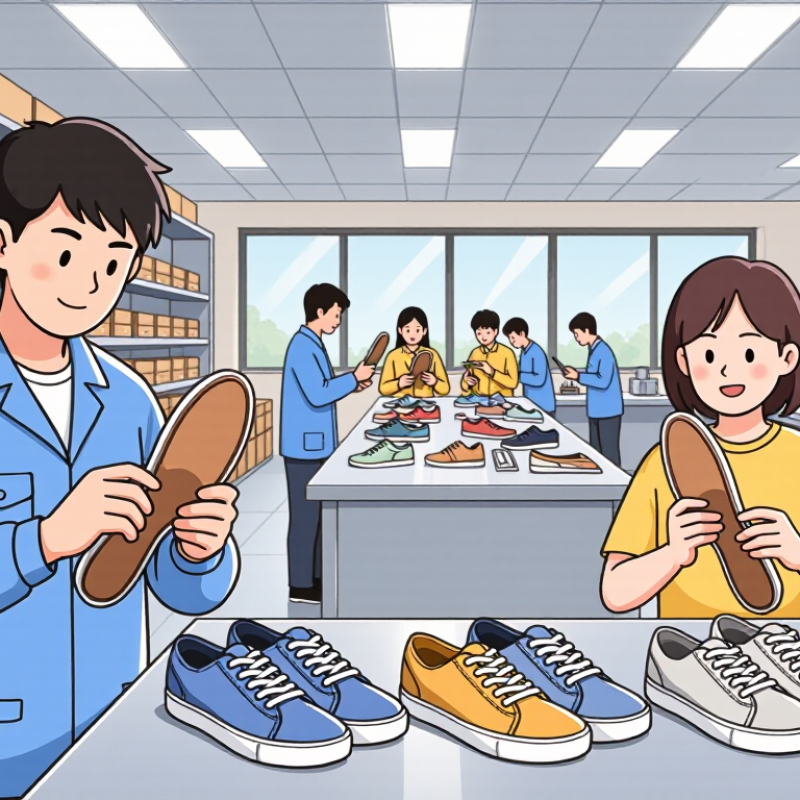
A factory’s years in business tell only part of the story. Ask how long it has produced casual shoes similar to yours, including comparable materials, sole types, and construction methods. Specific experience matters. A workshop skilled in canvas slip-ons may have limited practice with leather sneakers or molded soles.
Request recent samples and examine them closely. Check whether stitching stays even around the toe, the sole feels securely attached, and both shoes match in shape. Ask staff to explain how they control sizing and inspect finished pairs. Useful evidence includes sample records, defect logs, and examples of changes made after customer feedback. Keep the questions concrete.
Experience should also show up in the factory’s answers. Ask what problems commonly arise during production and how workers respond to them. Clear, practical details are more useful than broad promises. If possible, speak with a client who has ordered similar styles, while remembering that one reference cannot guarantee your results. A factory may have impressive equipment yet little experience with your design. That deserves a second look. I would also avoid treating a polished sample as proof of consistent production; reviewing several pairs from a recent batch can reveal differences that one sample hides.
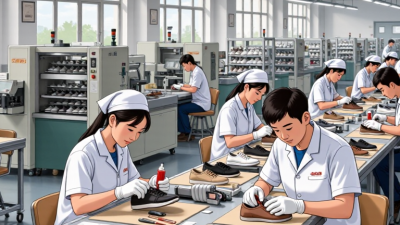
When choosing a casual shoe factory, inspect material records as carefully as the sample pair. Ask where the upper, lining, insole, and outsole come from, and request current test reports for each material batch.
The World Footwear Yearbook 2024 estimates that 22.4 billion pairs were produced worldwide in 2023. At that volume, consistent sourcing and clear traceability matter.
A soft upper may feel convincing, yet still vary between production lots. Check color, thickness, odor, and surface finish across several pieces, not one showroom sample. Small details matter.
Review the factory’s testing process, too. ISO 17707 covers outsole flex resistance, while ISO 20871 addresses outsole abrasion resistance. Ask whether tests are performed in-house or by an independent laboratory, and request dated results tied to the materials being used.
Then inspect finished shoes: bend the forefoot repeatedly, tug gently at the sole edge, and look for loose stitching or uneven adhesive. These checks do not replace laboratory testing. They can, however, reveal gaps worth investigating.
I would not treat a polished audit file as proof of consistent quality; the paperwork and the shoes should agree. If they do not, ask the factory to explain the difference before approving a production run.
When comparing casual shoe factories, treat stated capacity as a number to verify, not a promise. Ask how many pairs they can produce monthly for your construction, size range, and material mix. A line making simple canvas slip-ons may not handle stitched leather uppers at the same pace. Request recent production schedules, machine availability, and a sample size run. Check whether quoted capacity is shared across several buyers. Ask for evidence. A factory with fewer machines may still meet your order if its workflow is stable, while a large facility can be overbooked.
Compare like with like. Separate unit price from tooling, packaging, testing, and freight, and confirm which assumptions drive each figure. A low quote may exclude details that appear later, such as extra labor for a reinforced toe or a second inspection. Ask for a written timeline covering material sourcing, sample approval, bulk production, and dispatch—not just “30 days.” Delays happen. Check how the factory reports slippage and what decisions it needs from you to keep production moving. Build a modest buffer around seasonal demand, but do not treat vague timelines as certainty. A spreadsheet can still mislead if it compares different specifications; record material, stitching, order quantity, and delivery terms beside every quote.
When assessing a casual shoe factory, look beyond a long customization menu. Ask which details can change without new tooling: upper materials, thread color, outsole finish, insole, size grading, and packaging. Then confirm minimum order quantities, sample fees, and lead times for each option. A custom last or outsole mold can change both cost and schedule. Get those limits in writing.
Communication matters as much as capability. McKinsey’s 2021 personalization report found that 71% of consumers expect personalized interactions, while 76% feel frustrated when they do not receive them. These figures cover consumers broadly, not footwear sourcing, but they underline why clear requirements matter. Salesforce’s 2023 State of the Connected Customer report found that 73% expect companies to understand their unique needs. Ask who owns your account, how quickly questions are answered, and how changes are recorded. Keep a dated change log. Small detail, big protection.
Request a sample against a simple tech pack, with labeled color swatches and close-up photos of stitching and sole attachment. Agree on approval checkpoints before production, including fit, materials, and packaging. Ask the factory to report delays early, with a revised date and reason. A polished sample can still conceal a poor fit. I would test wear before approving bulk production, even when the first pair looks convincing. The paperwork can feel fussy, and a spreadsheet may still miss a small change. That is worth checking.
A casual shoe factory should be checked through documents, physical samples, and verifiable client references—not polished sales claims alone. The World Footwear Yearbook 2024 reports that global footwear production reached about 22.4 billion pairs in 2023. That scale makes consistent production controls important. Ask for current certificates, then confirm the issuing body, expiry date, and covered factory address. ISO 9001 can indicate a quality-management system, but it does not certify that every shoe will meet your specifications. Check the scope carefully.
Samples reveal details paperwork can miss. Compare the outsole’s grip, stitching at stress points, lining feel, and comfort after a full day of wear. Request a pre-production sample made with the materials and construction planned for bulk orders. Then compare it with the approved specification sheet. Small changes matter. I would not treat one excellent sample as proof of reliable mass production; that assumption is easy to make, and hard to undo.
Ask for two or three recent client references with similar product types or order volumes. Get permission to contact them, and ask about defect rates, delivery consistency, and how the factory handles corrections. Specific answers are more useful than general praise. If a reference cannot share figures, ask for examples instead. Keep your own notes, too; I sometimes find details blur after several factory calls. A factory’s willingness to answer careful questions can be informative, but it is not a substitute for checking evidence.
Certification documents are only one part of due diligence. Use this typical management-system audit timeline as a reminder to check certificate scope, status, and surveillance—not just the certificate itself.
How to use this: Ask the factory for current certificates covering the relevant site and activities, then verify them with the issuing certification body. Inspect production samples for construction and finish, and contact client references about quality consistency, communication, and delivery. The timeline shown is a typical management-system certification cycle; confirm the applicable requirements with the certification body. Source: ISO/IEC 17021-1.