Sourcing Casual Sneakers is no longer a simple price comparison. Buyers must verify materials, factory capacity, testing records, and delivery discipline. The World Footwear Yearbook 2024 reported nearly 23.9 billion pairs of footwear were produced globally in 2023. Asia supplied about 87% of that output. This concentration creates opportunity, but it also demands careful supplier screening.
Matt Powell, a respected footwear industry analyst and former NPD executive, has observed, “Sneakers have become a fashion product, not just a performance product.” That shift affects sourcing decisions. A dependable factory should understand comfort, styling, durability, and seasonal demand. It should also explain its outsole compound, upper composition, stitching density, and available certifications. Vague answers are warning signs.
The McKinsey–BoF State of Fashion reports repeatedly identify supply-chain resilience, traceability, and inventory control as major fashion priorities. These priorities apply directly to Casual Sneakers. Ask for recent production samples, not only polished showroom pairs. Check whether the logo placement matches the approved specification. Inspect glue lines, heel counters, carton labels, and size grading. A polished sample can still hide weak glue.
Request a transparent MOQ, realistic lead time, and written defect policy. Confirm whether testing is performed by an independent laboratory. Factory audits can help, though they are not perfect. I have seen sourcing advice focus too heavily on unit cost. That is a mistake. A cheaper pair can become expensive through delays, inconsistent sizing, or customer returns. Reliable sourcing is slower at the beginning, but usually safer at scale.
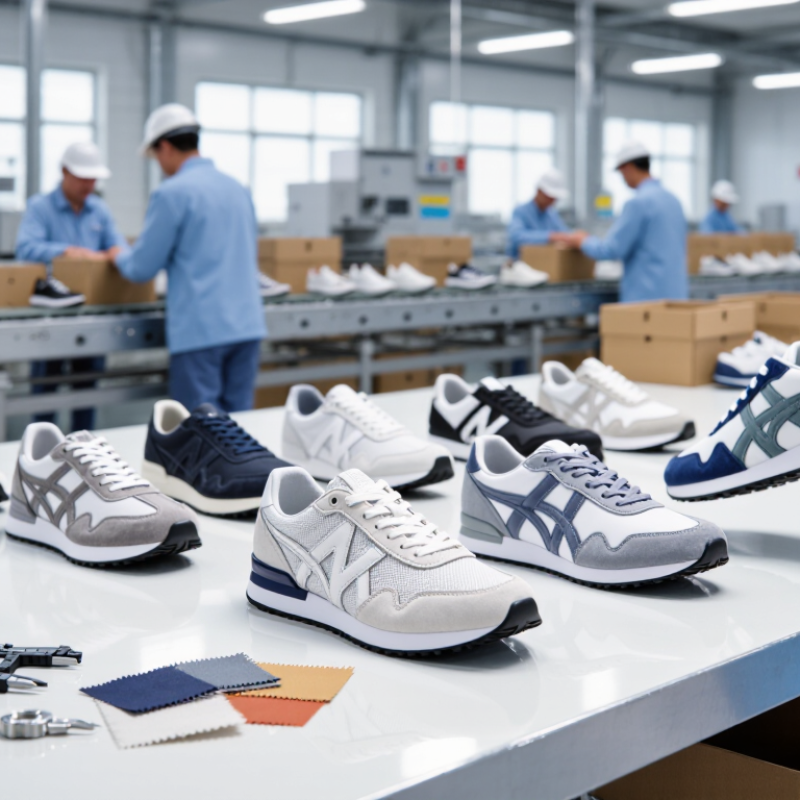
World Footwear’s 2023 Yearbook reported global footwear production at about 23.9 billion pairs in 2022. Asia represented roughly 87% of that output. This scale shows strong manufacturing capacity, but it does not prove supplier reliability. Casual sneaker demand is shaped by comfort, daily mobility, flexible soles, and simple styling. Buyers should avoid treating total footwear volume as direct sneaker demand. The report does not isolate every casual sneaker segment, so market interpretation requires care.
Use the data to define a practical product brief. A lightweight canvas upper may suit warm urban markets, while padded collars can support all-day wear. Ask suppliers for recent production photos, material specifications, test records, and sample consistency. Compare three samples from the same supplier. Small differences in stitching can reveal weak process control.
Tips: Start with a modest trial order. Check size grading, outsole bonding, odor, and carton protection. Confirm lead times in writing. Review the supplier’s responses, not only its catalog. A polished catalog can still hide poor quality. I would also retest samples after several weeks of wear, because first impressions are sometimes misleading. Use World Footwear data as market context, then validate demand through local retailer feedback and small sales tests.
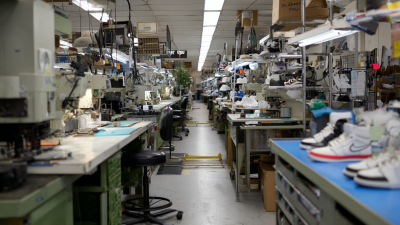
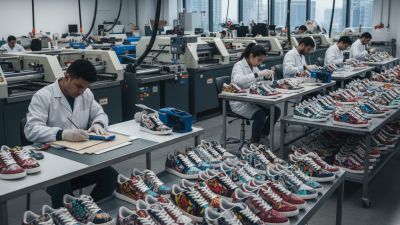
BSCI evidence needs careful reading. Confirm the audit date, facility identity, and open corrective actions. A good result does not remove every operational risk. Visit the factory when possible. Watch workers check stitching, adhesive application, outsole bonding, and carton packing.
I once trusted a supplier’s stated capacity too quickly. The first sample was acceptable, but production slowed during a holiday period. That mistake changed my screening process.
How to Source Casual Sneakers from Reliable Suppliers?
Global footwear production reached 22.4 billion pairs in 2023, according to the World Footwear Yearbook 2024. That scale makes material verification essential. A supplier’s sample should match the approved reference in mesh density, lining weight, outsole hardness, color, and bonding. Request material specifications, test reports, and production samples before placing a bulk order. Small differences become visible quickly. Especially on white uppers.
Use ISO 2859-1 sampling procedures and agree on AQL 2.5 before inspection. AQL 2.5 is not a promise that 2.5% of shoes may fail. It defines an acceptance sampling plan, including sample size and rejection limits. Inspectors should classify defects as critical, major, or minor. Check loose stitching, uneven panels, glue marks, open bonds, size variation, and outsole distortion. Test flex resistance, abrasion, colorfastness, and bond strength when the product requires them. SGS quality-control guidance also stresses documented specifications and traceable inspection records.
Do not inspect appearance alone.
Ask the supplier to seal one approved sample and keep another independently. Compare both against the first production pair. A factory may pass visual checks while using a softer outsole compound. That is easy to miss. It happened in a real sourcing review. The lesson is uncomfortable: trusting a polished sample is not enough. Record measurements, photographs, batch numbers, and corrective actions. Reinspect repaired goods. A reliable supplier accepts this discipline without treating questions as distrust.
| Verification Area | Objective Check | Acceptance Benchmark | Recorded Result | Status |
|---|---|---|---|---|
| Supplier documentation | Confirm material declarations, production address, inspection records, and traceability documents. | Documents are complete, consistent, dated, and traceable to the submitted sample and production lot. | Material declaration, inspection checklist, and lot traceability record available. | Pass |
| Upper material | Compare the production upper with the approved sample for construction, texture, color, and thickness. | Material type and surface finish match the approved specification; no visible peeling, cracking, or contamination. | Synthetic upper confirmed; color and grain match the approved reference; no surface cracking observed. | Pass |
| Lining and insole | Check fiber composition, hand feel, odor, stitching, and contact surfaces. | Composition matches the technical file; no sharp edges, excessive odor, loose threads, or exposed seams. | Polyester lining and molded insole match the submitted specification; light loose thread found on one sample. | Review |
| Outsole material | Verify outsole compound, tread pattern, dimensions, and attachment to the upper. | Compound and tread match the approved sample; no warping, incomplete molding, or exposed bonding gaps. | Rubber outsole matched the approved tread pattern; dimensions remained within the agreed tolerance. | Pass |
| Color and appearance | Inspect color consistency under standard daylight and compare with the signed sample. | No visible shade variation between left and right shoes or between production pairs. | No visible pair-to-pair shade variation under daylight inspection. | Pass |
| Bonding and construction | Check sole bonding, stitching density, eyelets, heel counter, and toe reinforcement. | No open bond, skipped structural stitch, detached eyelet, exposed sharp component, or unstable heel counter. | One minor stitch inconsistency found; no open bond or structural failure observed. | Review |
| Size and fit consistency | Measure length, width, pair matching, and internal comfort against the approved size chart. | Measurements remain within the agreed tolerance; left and right shoes form a matched pair. | All inspected pairs matched the size chart and showed no left-right mismatch. | Pass |
| Functional wear checks | Conduct flexing, lace-eyelet, outsole attachment, and basic walking-use checks on samples. | No separation, abnormal noise, tearing, sharp edges, or loss of function during the agreed test sequence. | Samples completed the agreed flex and walking checks without separation or tearing. | Pass |
| Packaging and labeling | Verify carton strength, pair labeling, size markings, care information, and packing quantity. | Labels are legible and accurate; packaging protects the shoes and matches the packing instruction. | Pair labels and carton quantity were correct; one carton label required repositioning. | Review |
| AQL inspection plan | Select the sample size using ISO 2859-1 according to lot size and inspection level. | Use the approved sampling plan; do not replace a formal inspection with a small convenience sample. | Inspection level II selected; sample size determined from the lot-size code letter. | Pass |
| AQL defect limits | Classify defects as critical, major, or minor before inspection. | Critical: 0 accepted; Major: AQL 2.5; Minor: buyer-defined, commonly AQL 4.0. | No critical defects; major defects remained within the approved AQL 2.5 acceptance limit. | Pass |
| Corrective action | Require a written action plan for every recurring or specification-related defect. | Root cause, correction, responsible person, and recheck date are documented before shipment release. | Loose-thread and carton-label issues assigned for correction and reinspection before shipment. | Pending Recheck |
A low unit price can hide expensive problems. I compare at least three supplier quotations using the same specifications. The comparison includes upper material, outsole compound, packaging, and size range. A factory offering 8 dollars per pair may exclude molds, cartons, or inspection fees. I calculate the landed cost, not only the factory price. Small details matter.
Incoterms 2020 must appear clearly in the quotation and purchase contract. Under FOB, the buyer usually manages main international freight and insurance. Under CIF, the seller arranges freight and insurance to the named port, but responsibilities still need checking. I confirm the exact delivery point, export documents, and risk-transfer moment. Never rely on a casual message. It creates confusion later.
Lead time should be separated into sampling, material preparation, production, and shipment. For repeat orders, I request a weekly production update and a realistic buffer. A supplier promising ten days may be guessing. Defect rates deserve equal attention. I set measurable limits for loose stitching, glue marks, color variation, and sole separation. A pre-shipment inspection should sample finished pairs from different cartons. I record defects by type, size, and production batch. This evidence supports corrective action and supplier reviews. My own mistake was trusting an attractive sample too quickly; bulk materials sometimes behave differently. That lesson still affects every approval decision.
Sourcing casual sneakers becomes safer when a supplier proves performance through a pilot order. Request a small batch before discussing large volumes. Review material samples, stitching, outsole bonding, size grading, and packing quality. Ask for a written production schedule with inspection dates. Experienced buyers also confirm factory capacity during busy seasons. A polished sample means little if the supplier misses deadlines.
Track on-time delivery above 95% using agreed milestones. Record the order date, approved sample date, production completion, inspection date, and shipment date. Define “on time” before production begins. For example, a shipment may qualify only when it leaves within the confirmed delivery window. Use a simple spreadsheet with purchase order numbers and promised dates. One late shipment can be understandable. Repeated delays require evidence and corrective action.
During my own supplier reviews, I found that vague updates often hid small production problems. A missing size label delayed final packing by three days. That mistake was avoidable. The supplier later added a packing checklist and photo confirmation. Still, I should have checked labeling earlier. After the pilot, calculate the on-time rate across several shipments, not one successful order. A supplier reaching 96% delivery performance, with stable quality records, deserves deeper consideration. However, seasonal capacity, communication speed, and response to defects also matter. Reliability is demonstrated repeatedly, not promised in a sales call.