What Are the Top 10 Custom Sneaker Factories in China?
Choosing a reliable Custom Sneaker Factory in China requires more than comparing prices. It requires practical research, factory experience, and careful attention to production details. A polished website does not always indicate strong manufacturing ability.
This guide examines ten leading Chinese custom sneaker factories through key factors. These include material selection, pattern development, sample accuracy, minimum order quantities, production capacity, and quality control. We also consider communication speed, packaging standards, and export experience. A dependable factory should explain its process clearly, from the first digital sketch to the final carton inspection.
Footwear designer Tinker Hatfield has said, “Good design is about making something useful, comfortable, and emotionally meaningful.” That principle matters in custom sneaker production. A striking upper can still fail if the toe box feels narrow or the sole becomes uncomfortable after several hours. Small details matter. Stitch spacing, adhesive marks, logo alignment, and color consistency can change the final result.
This comparison is not a perfect ranking. Factory capabilities can change with staffing, equipment, order size, and seasonal demand. A workshop that performs well for 500 pairs may not manage 10,000 pairs equally well. Buyers should request current samples, confirm materials in writing, and inspect production evidence before placing a large order. Some factories may also outsource part of the process, which deserves honest discussion. The following list offers a practical starting point, not a substitute for direct verification.
What Defines a Top Custom Sneaker Factory in China?
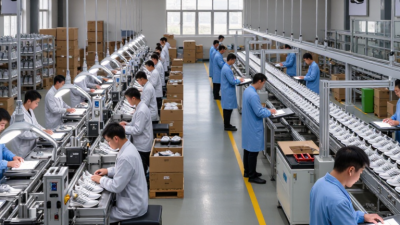
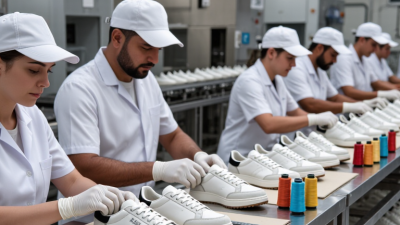
A top custom sneaker factory in China is defined by more than low prices or attractive product photos. It combines skilled pattern development, stable materials, and disciplined production control. During a factory visit, check the cutting area, stitching lines, sample room, and final inspection table. Clean workstations and labeled material shelves reveal operational habits. So does the factory’s willingness to explain problems.
Reliable factories usually provide clear sample approval procedures. They record measurements, color references, sole specifications, and packaging details before mass production. Material traceability matters. Leather, mesh, rubber, thread, and adhesives should have consistent quality records. Experienced technicians can adjust fit, reduce glue marks, and control stitching tension. Small details matter greatly.
Quality checks should happen at several stages, not only before shipment. Inspectors can review symmetry, bonding strength, surface defects, sizing, and carton counts. A professional factory should also follow applicable labor, safety, environmental, and product regulations. Relevant certifications and audit reports can support its claims, but documents need careful verification. No factory is flawless. A missed stitch or delayed sample may still happen. What matters is whether the team reports it quickly, explains the cause, and corrects the process. I would also request a small trial order before making larger commitments. Promises are useful. Measurable records are better.
How Chinese Custom Sneaker Factories Design and Develop Products
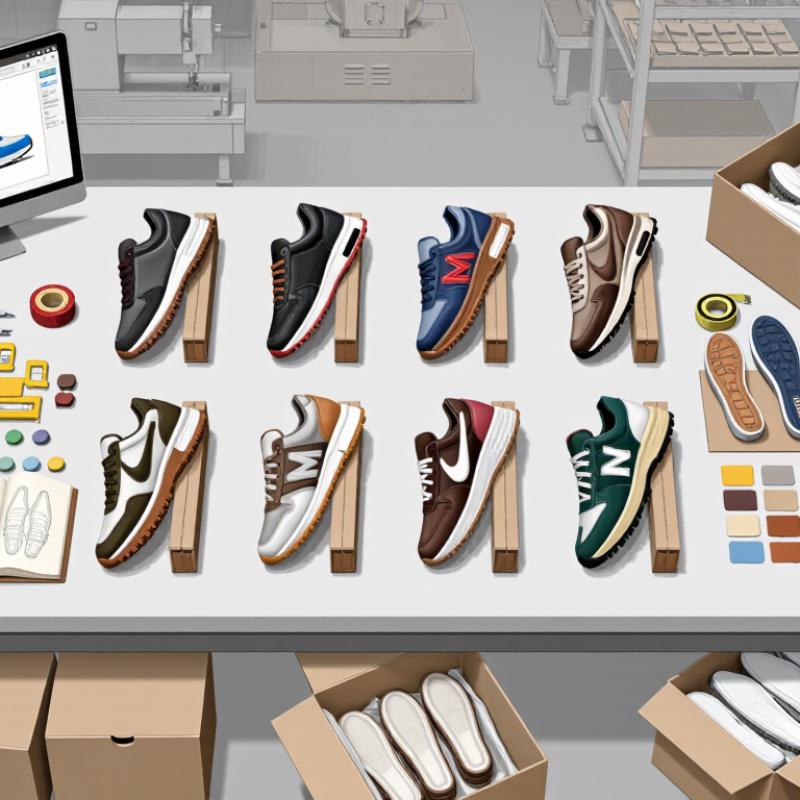
China’s leading custom sneaker factories usually begin with a design brief, not a sample. They study the target wearer, intended use, sizing needs, and production budget. Designers then convert sketches into technical drawings, material lists, and digital 3D models. Every panel has a purpose.
Development often moves through several sample stages. A factory may test mesh, leather alternatives, rubber compounds, foam density, and stitching strength. Pattern makers adjust the toe box and heel counter by hand. Small changes matter. A two-millimeter shift can affect comfort and appearance. Some factories also use rapid tooling to check outsole geometry before full mold production. This reduces waste, although it does not remove every risk.
Reliable teams document each revision with measurements, photographs, and approval records. They inspect bonding, color consistency, flex performance, and size grading before bulk manufacturing. Experienced technicians can identify weak seams quickly, but their judgment should support, not replace, testing. Communication is equally important. Clear files prevent costly misunderstandings between overseas designers and factory engineers.
The process is not always perfect. A visually attractive prototype may feel too stiff after walking tests. A recycled material may perform well but show slight shade variation. These issues require honest review and another sample. Factories with strong quality systems welcome that correction. They also check workplace procedures, material traceability, and applicable safety requirements before production begins. That discipline separates a dependable development partner from a workshop that only copies an image.
Which Manufacturing Capabilities Should Buyers Compare?
China’s custom sneaker factories should be compared by capability, not only by quoted price.
The World Footwear Yearbook 2024 reports 23.9 billion pairs produced globally in 2023. Asia supplied 87.4% of that volume. This scale matters, but capacity alone proves little.
Buyers should inspect sample development, CAD patterning, outsole tooling, and material testing. Ask whether the factory can produce one accurate prototype before accepting a large order. Compare minimum order quantities, sample charges, revision speed, and production lead times. Check stitching density, bonding strength, color consistency, and size grading through documented inspections. AQL-based quality reports are useful, although they cannot replace physical checks.
Material traceability deserves closer attention.
Textile Exchange’s Materials Market Report 2024 states that polyester represented 57% of global fiber production in 2023. Request fiber composition records, recycled-content evidence, and supplier declarations. Review factory audits, worker-safety procedures, wastewater controls, and corrective-action records. These documents reveal operational maturity. They also expose gaps.
I would compare monthly output against actual production schedules, not impressive showroom samples. Confirm whether key processes remain inside the facility or move to unknown subcontractors. No factory scores perfectly. My own bias would favor low MOQs, yet weak process control can create costly rework. The strongest supplier combines flexible development, stable quality, transparent sourcing, and realistic delivery promises.
How to Evaluate Quality, Pricing, Capacity, and Lead Times
What Are the Top 10 Custom Sneaker Factories in China?
Evaluating the top custom sneaker factories requires more than comparing catalog photos. I recommend requesting physical samples before discussing large orders. Check stitching density, edge paint, outsole bonding, logo placement, and insole comfort. A reliable factory should explain its testing process clearly. Ask for material specifications, inspection records, and photos from production lines. Small flaws often reveal bigger control problems.
Pricing should include materials, labor, packaging, tooling, sampling, and shipping preparation. An unusually low quote may exclude important charges. Compare identical specifications, not only the final unit price. Capacity also needs practical verification. Ask how many pairs the factory can produce monthly without reducing quality. A factory may claim high capacity. Its actual workshop schedule matters more. Review current production commitments and staffing during peak seasons.
Lead times should cover sampling, material sourcing, production, inspection, and corrections. Confirm each stage in writing. For example, a sample may take 7–15 days, while bulk production can require 30–60 days. These ranges vary with design complexity. Keep extra time for rejected materials or color adjustments. From supplier evaluations, I have learned that communication speed is useful evidence. Still, it is not proof of factory performance. A polished presentation can hide weak processes. I once underestimated approval delays, and the shipment moved later than planned. A written timeline would have prevented that mistake. Reliable partners accept questions, document changes, and provide realistic updates.
What Questions Should You Ask Before Choosing a Factory?
Choosing among China’s custom sneaker factories requires sharper questions than “What is your price?” Ask who owns production, which steps are outsourced, and how many pairs the line can complete weekly. Request a factory tour, recent audit records, and a sample made from your actual tech pack. A polished showroom proves little. Inspect stitching, glue lines, heel alignment, and outsole bonding under close light. Small defects often become large returns.
Discuss minimum order quantities, sampling fees, tooling charges, payment stages, and what happens when samples fail inspection. Ask for a written schedule covering material arrival, cutting, assembly, and final inspection. Confirm material specifications, test methods, and whether replacement stock is available. Request photos from mid-production, not only finished pairs. Independent quality checks can add cost, but they protect both sides. Do not accept vague promises.
Reliable factories explain worker safety, waste handling, product traceability, and applicable export documentation without hesitation. Ask how complaints are logged and resolved, and who approves corrective action. Speak with two recent customers if permission is available. Their experience may reveal communication delays that a factory will not mention. I have learned that a fast reply is not the same as clear control. Sometimes, a smaller workshop fits better, but capacity claims need proof. Leave room for doubt. A perfect first sample can still hide inconsistent sizing or late material purchases.