Top Private Label Sneaker Manufacturers Worldwide
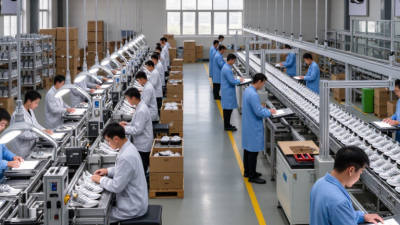
Choosing a reliable Private Label Sneaker Manufacturer requires more than comparing attractive product photos. This guide explores leading manufacturers worldwide through practical sourcing criteria, including production experience, material quality, minimum order quantities, sampling speed, and communication standards. A polished website proves little. Factory capacity, inspection procedures, and consistent finishing matter more.
Details often reveal the difference. Look for clean bonding around the rubber outsole, even stitching on the upper, firm heel counters, and accurate size grading. Ask how factories test mesh, synthetic leather, foam, and recycled materials. Review sample-room photographs, packaging options, carton markings, and expected lead times. Independent audits and recognized certifications can add confidence, but they should be verified rather than accepted blindly.
No ranking is perfect. Supplier information changes. A manufacturer serving large brands may not suit a smaller startup with limited inventory. Another factory may offer flexible development but lack strong logistics support. This article weighs those trade-offs carefully, using evidence that buyers can check before placing production orders. It also considers communication during revisions, defect handling, quality-control records, and the manufacturer’s ability to scale without losing consistency. Pricing remains important, but the lowest quotation can hide weaker materials, delayed samples, or unexpected tooling costs. A thoughtful decision protects both brand reputation and customer trust. Mistakes still happen, even with experienced suppliers. The goal is not to promise certainty, but to make supplier evaluation clearer, more realistic, and easier to manage.
Private-Label Sneakers: Definition, Scope, and Global Supply-Chain Roles
Top Private Label Sneaker Manufacturers Worldwide
Private-label sneakers are footwear products developed for one business and made under its own label. The buyer usually controls the design, materials, packaging, pricing, and market position. A factory provides production capacity and technical support. The relationship is more involved than simply placing a logo on an existing shoe.
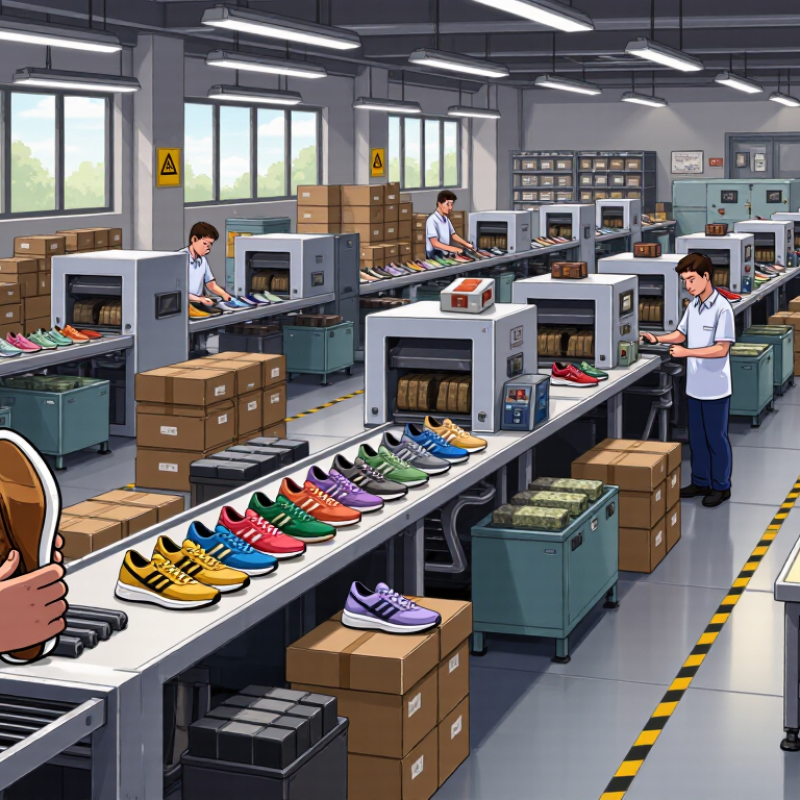
The scope covers many supply-chain stages. A technical package may define mesh density, foam hardness, outsole thickness, stitching, colors, and size grading. Material suppliers provide fabrics, rubber, adhesives, laces, and molded components. Manufacturers build samples, adjust tooling, and manage assembly. Independent testing can check bonding strength, slip resistance, colorfastness, and chemical limits. Batch records and inspection reports improve traceability, although documentation is sometimes incomplete.
Global supply chains also depend on freight coordinators, warehouses, customs specialists, and regional distributors. Experienced sourcing teams compare factory audits, production samples, defect rates, and delivery history before approving orders. A low unit price can hide weak quality control or expensive rework. The first sample may look accurate but feel uncomfortable after several hours of wear. That weakness matters. Fit trials, wear testing, and repeated corrections often produce more reliable results than quick approval. Clear specifications help, but communication gaps, seasonal capacity, and material shortages can still disrupt schedules.
Global Sneaker Demand: 23.9 Billion Footwear Pairs Produced in 2022
Global Sneaker Demand: 23.9 Billion Footwear Pairs Produced in 2022
Industry reports recorded approximately 23.9 billion footwear pairs produced worldwide in 2022. This figure shows the scale of sneaker demand and the pressure placed on private label manufacturers. Buyers need more than attractive samples. They need stable production, clear material specifications, and dependable quality control. A capable factory should explain its monthly capacity, development process, testing methods, and production lead times. Ask for evidence, not promises.
The best manufacturing partner can turn a sketch into a wearable product without losing its purpose. It should manage upper materials, outsole density, stitching strength, sizing accuracy, and packaging details. Factory visits or independent inspections can reveal issues that polished samples hide. Small defects matter. A loose thread today may become a customer complaint tomorrow. Supply chain traceability also supports more reliable purchasing decisions and responsible business practices.
Tips: Compare several manufacturers using the same technical brief. Request a sample, inspection report, and realistic delivery schedule. Do not choose only by price. A cheaper quotation may reflect weaker materials, rushed testing, or unexpected revision costs. Even experienced buyers can overlook factory communication quality. That deserves a closer review.
How to Evaluate Manufacturers by MOQ, Materials, Lead Time, and Certifications
Choosing a private label sneaker manufacturer requires more than comparing quoted prices. Start with MOQ, because a low minimum order may hide costly color, size, or packaging requirements. Ask whether the MOQ applies per style, colorway, or total shipment.
Materials reveal the factory’s real capabilities. Request physical samples, material specifications, and test results for the upper, lining, outsole, adhesives, and cushioning. Check whether recycled or synthetic materials remain stable after bending, abrasion, and moisture exposure. Lead time should include sampling, pattern development, tooling, production, inspection, and shipping. A factory promising ten-day delivery may exclude half these stages.
Tips: Ask for a dated production schedule. Confirm capacity during peak seasons. Require written tolerance standards for stitching, glue marks, sizing, and color variation. Certifications should be verified through the issuing organization, not only a factory PDF. Check the certificate holder, facility address, scope, and expiration date. Standards for material safety, labor practices, and quality systems can differ widely, so match them with your target market.
A useful evaluation method is a small pilot order before scaling. Inspect cartons, labels, sole bonding, and pair consistency. Document defects with photos and measurements. Be realistic: even a capable manufacturer can miss a detail, especially during a new mold launch. The important question is how clearly the factory investigates and corrects the problem.
Regional Manufacturer Profiles Across Asia, Europe, and North America
Asian private label sneaker manufacturers often offer broad production capacity and flexible minimum order quantities. China remains strong in molded soles, technical mesh, and complex assembly. Vietnam is known for careful stitching and export-ready production systems. Indonesia also performs well with vulcanized construction and leather-focused work. Factory visits can reveal details that catalogs hide, including crowded cutting rooms or inconsistent storage. Ask for recent quality records, material samples, and production photographs. Low pricing can become expensive when defect rates rise.
European manufacturers usually compete through craftsmanship, smaller runs, and refined material selection. Portugal, Spain, and Italy have established footwear clusters with experienced pattern makers and skilled finishers. Their teams may support fitting adjustments more closely than large-volume factories. This helps when a new label needs distinctive shapes or premium packaging. However, capacity can be limited during seasonal peaks. European production is not automatically flawless. Sampling remains essential, especially around heel comfort and sole bonding.
North American manufacturers often provide shorter shipping routes for regional labels and faster communication. Facilities in the United States, Canada, and Mexico may support rapid prototyping, small-batch production, and domestic quality checks. Some specialize in athletic constructions, while others focus on casual or work-inspired silhouettes. Buyers should confirm factory ownership, labor documentation, testing procedures, and production timelines. A video call is useful, but physical inspection is better. I have found that clear technical packs prevent more mistakes than enthusiastic meetings. Even then, color matching can shift between samples and bulk production.
Factory Due Diligence Using ISO, BSCI, WRAP, and REACH Compliance Data
Top Private Label Sneaker Manufacturers Worldwide
Factory due diligence should begin with evidence, not polished samples. The World Footwear Yearbook 2024 reported 23.9 billion pairs of footwear were produced globally in 2023. That scale increases supplier risk. I ask factories for current ISO 9001 certificates, issuing-body details, audit scope, and factory addresses. The 2023 ISO Survey recorded more than 1.2 million ISO 9001 certificates worldwide, but certification alone does not prove reliable production. I also verify whether the certificate covers the actual sneaker facility, not only a trading office.
BSCI and WRAP records require similar caution. Check audit dates, worker interviews, corrective-action reports, and repeated findings. A high score can still miss excessive overtime or weak grievance channels. OECD guidance for the garment and footwear sector recommends risk-based due diligence, including worker consultation and remediation tracking. For materials, REACH screening should cover adhesives, rubber, dyes, metal parts, and packaging. Request laboratory reports with test methods, sample IDs, and detection limits. ECHA’s restrictions and substance-of-very-high-concern lists change over time, so an old report is not enough.
Not perfect. Supplier records can conflict.
Tips: Build a one-page verification sheet. Match the legal entity, site address, certificate number, audit date, and product scope. Use independent testing for each material group. Keep invoices and batch records. Recheck high-risk suppliers every season, because compliance can weaken between audits. A factory may pass today and struggle next quarter. That uncomfortable possibility deserves attention.