Choosing the right Sneaker Manufacturing Company can shape a brand’s quality, margins, and reputation. A dependable partner should offer more than attractive samples. Buyers need clear production timelines, stable material sourcing, skilled technicians, and responsive communication. Small details matter. Think of clean stitching, even adhesive lines, firm heel counters, and accurate size grading.
This guide explores 10 sneaker manufacturing companies serving global buyers. Each company is considered through practical purchasing criteria, including product development, minimum order quantities, factory capabilities, quality control, and export experience. Certifications and compliance records also deserve careful review. They can indicate stronger systems, but they never replace independent verification. A factory tour, sample inspection, or third-party audit may reveal issues that polished catalogs hide.
Real sourcing is rarely perfect. A capable manufacturer may still have seasonal delays, limited color options, or higher costs for small orders. That is worth admitting. Buyers should compare factories against their own priorities instead of trusting rankings blindly. A performance footwear label may value testing and technical materials, while a lifestyle brand may focus on flexible customization and packaging.
The companies discussed here represent different strengths, production scales, and market approaches. Their suitability can change with location, order volume, budget, and design complexity. Request current quotations. Confirm production terms. Review approved samples before bulk manufacturing. A careful decision today can reduce costly rework, shipment disputes, and inconsistent customer experiences later.
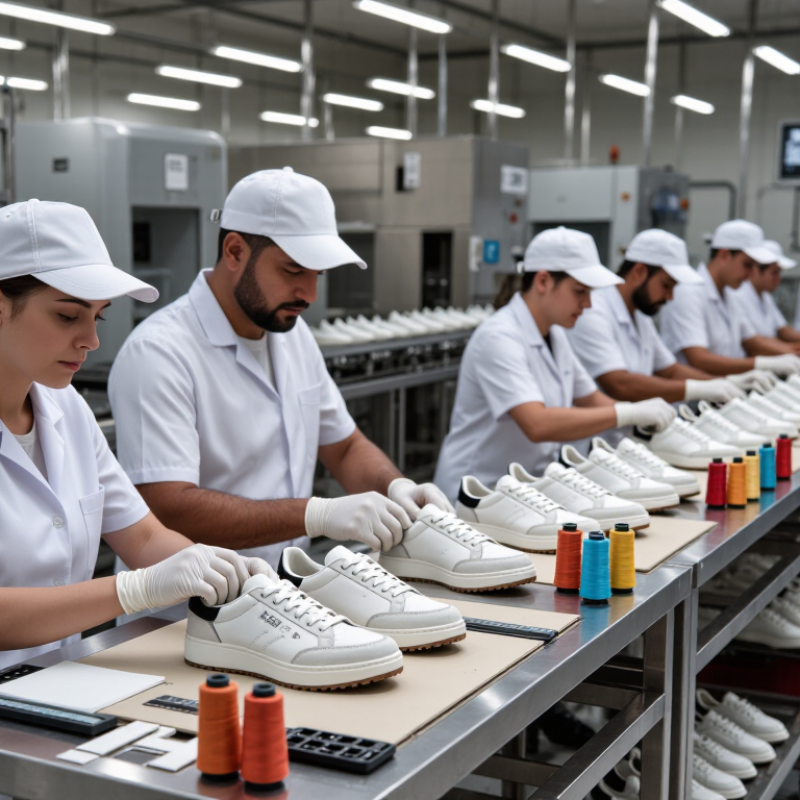
Global buyers should evaluate sneaker manufacturing companies beyond factory photos and low quotations. The World Footwear Yearbook 2023 reported about 23.9 billion pairs of footwear were produced worldwide in 2022. Asia accounted for roughly 87% of output. This scale makes factory selection more complex, not easier. Buyers should verify production capacity, material traceability, sample accuracy, and delivery performance through documented records.
A strong evaluation begins with technical evidence. Request a size-set sample, approved material sheets, and a written quality-control plan. Check whether the factory measures bonding strength, flex resistance, color migration, and outsole hardness. Auditors should also review worker safety, wage documentation, wastewater controls, and grievance procedures. The OECD Due Diligence Guidance for Responsible Supply Chains in the Garment and Footwear Sector recommends risk-based checks across the supply chain, not only at the final assembly site.
Price deserves caution. A low unit cost may exclude testing, packaging, tooling maintenance, or corrective work. It can become expensive later. Experienced buyers compare total landed cost, minimum order quantity, defect rates, and payment milestones. Digital dashboards help, but they are not proof by themselves. A polished audit file can still hide weak subcontracting controls. I would therefore request unannounced follow-up inspections and traceable corrective-action records. No evaluation method is perfect; assumptions should be challenged before a long-term contract begins.
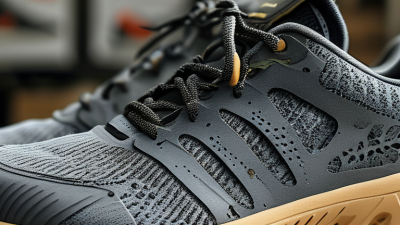
A Vietnam-based manufacturer specializes in lightweight knit uppers and flexible running soles. Its sample room tests fit through repeated wear trials.
A China-based factory focuses on vulcanized sneakers, with strong control over rubber bonding and sidewall finishing. It offers reliable production records, although communication may slow during peak seasons.
A Portugal-based company produces small and medium batches for buyers seeking careful stitching and shorter European shipping routes. Its craftsmanship is impressive, but pricing can be less competitive.
An Indonesia-based manufacturer handles athletic footwear with molded midsoles and reinforced heel counters. It uses digital cutting systems to reduce material waste.
A South Korean factory provides advanced development support, including 3D pattern adjustments and laboratory testing. It suits technical projects, though minimum order quantities may be demanding.
An India-based company combines manual assembly with automated pressing. This balance supports flexible designs, but inspection standards must be confirmed before bulk production.
A Turkey-based manufacturer serves buyers needing quick regional replenishment and varied upper materials. Its response time is practical.
A Mexican factory supports North American supply chains with efficient transport planning and transparent production stages.
A Bangladesh-based company offers competitive labor costs and growing footwear expertise. Buyers should verify worker training and final inspection procedures carefully.
A Brazil-based manufacturer understands outdoor footwear and durable rubber compounds. Its local material network is useful, but export documentation needs close review.
These ten companies show different strengths. No factory is perfect. Careful sampling still matters.
Audits, testing reports, traceable materials, and written quality standards help global buyers choose with confidence.
For global buyers, a strong sneaker manufacturer must offer more than attractive sample photos. Its production floor should support cutting, stitching, lasting, molding, finishing, and packing. Experienced teams should explain monthly capacity with clear figures. Ask for factory audit records, material test reports, and sample approval procedures. These documents help distinguish repeatable production from polished sales claims. Public information can remain incomplete. Verify critical details directly.
Manufacturing capabilities should match each product category. Running shoes require lightweight uppers, stable midsoles, and reliable flex performance. Court shoes need lateral support, durable toe areas, and suitable rubber compounds. Casual sneakers may prioritize appearance, comfort, and flexible minimum order quantities. Common materials include mesh, synthetic leather, rubber, EVA, and TPU. Buyers should request abrasion, bonding, flex, colorfastness, and slip-resistance testing. Test results matter more than confident promises.
Customization can include custom lasts, outsole molds, colors, linings, labels, packaging, and material combinations. A detailed tech pack reduces misunderstandings between design and production teams. Confirm tooling fees, sample rounds, minimum quantities, lead times, and approved substitute materials. A small pilot order is useful. It can reveal stitching issues, size inconsistencies, or packaging damage before scale production. No supplier is perfect, and even a careful review may miss hidden production risks. Clear records and regular inspections reduce those surprises.
| Supplier ID | Primary Manufacturing Region | Core Manufacturing Capabilities | Main Product Categories | Construction Methods | Customization Options | Typical MOQ | Typical Production Lead Time | Material & Compliance Support | Best Fit for Global Buyers |
|---|---|---|---|---|---|---|---|---|---|
| Supplier 01 | Southern China | Large-scale athletic footwear production; automated cutting; EVA and rubber sole molding; multi-stage quality control | Running shoes, training shoes, lifestyle sneakers, court shoes | Cemented, vulcanized, direct-injection | Full private label, custom outsole tooling, knitted or mesh uppers, printed packaging, branded components | 500–1,000 pairs per color or style | 45–75 days after sample and materials approval | Recycled polyester, recycled rubber, water-based adhesives; common social and quality audit support | International sportswear labels and high-volume programs |
| Supplier 02 | Eastern China | Flexible development factory with strong pattern engineering, sample making, and small-batch production | Casual sneakers, canvas shoes, skate shoes, vulcanized footwear | Vulcanized, cemented, foxing-tape construction | Upper fabrics, embroidery, woven labels, color matching, custom insoles, retail boxes | 200–500 pairs per style | 35–60 days after final approval | Organic cotton, canvas, microfiber, recycled packaging; laboratory testing coordinated on request | Emerging brands, seasonal collections, and test-market launches |
| Supplier 03 | Vietnam | Export-oriented athletic footwear manufacturing; advanced stitching; foam midsole and rubber outsole production | Performance running shoes, walking shoes, outdoor sneakers, training footwear | Cemented, direct-injection, strobel upper construction | Engineered mesh, recycled yarns, custom foam density, outsole patterns, heat-transfer graphics | 1,000–3,000 pairs per style | 60–90 days after development approval | Recycled content documentation, restricted-substance testing, buyer-specific factory audits | Large retailers and performance footwear programs |
| Supplier 04 | Indonesia | Integrated footwear production with rubber processing, upper stitching, lasting, and final assembly | Lifestyle sneakers, canvas trainers, casual vulcanized shoes, heritage-inspired footwear | Vulcanized, cemented, cupsole construction | Custom rubber compounds, contrast foxing, fabric selection, screen printing, woven branding | 500–1,500 pairs per style | 50–80 days after confirmed purchase order | Natural rubber options, recycled textile inputs, basic chemical and physical testing support | Casual footwear brands seeking diversified Asian sourcing |
| Supplier 05 | India | Cost-effective development and production; leather and synthetic upper expertise; injection-molded sole capability | Casual sneakers, leather sneakers, school and work trainers, private-label footwear | Cemented, direct-injection, cupsole construction | Leather selection, perforation, embossing, custom lasts, insoles, colorways, packaging | 300–1,000 pairs per style | 45–75 days after approved sample | Leather traceability options, synthetic alternatives, product safety and durability testing | Value-focused brands and buyers requiring flexible order quantities |
| Supplier 06 | Portugal | Premium small- to medium-volume footwear production with detailed finishing and European development support | Premium leather sneakers, minimalist footwear, fashion trainers | Cemented, cupsole, stitched cupsole construction | European leather, custom lasts, handcrafted details, embossed logos, special finishing, premium packaging | 100–300 pairs per style | 60–100 days after development sign-off | Leather working group supply options, REACH-oriented material documentation, product testing | Premium labels, designer collections, and quality-led capsule projects |
| Supplier 07 | Turkey | Nearshore footwear manufacturing with fast sampling, textile upper production, and flexible replenishment | Fashion sneakers, casual trainers, textile footwear, private-label collections | Cemented, vulcanized, cupsole construction | Knit and textile uppers, color development, embroidery, printed components, customized soles | 200–600 pairs per style | 40–70 days after sample approval | Recycled textile options, product testing, documentation for European market requirements | European buyers needing shorter shipping routes and replenishment cycles |
| Supplier 08 | Mainland Southeast Asia | Athleisure and lifestyle footwear production with knit-upper machinery and lightweight foam technologies | Athleisure sneakers, slip-on trainers, walking shoes, lightweight casual footwear | Cemented, strobel, direct-injection construction | Knitted uppers, seamless panels, lightweight midsoles, printed graphics, custom footbeds | 500–2,000 pairs per style | 50–85 days after approved specifications | Recycled yarns, water-based adhesives, common footwear performance and chemical testing | Direct-to-consumer brands and comfort-focused product lines |
| Supplier 09 | South Korea | Technical development, material innovation, and medium-volume production for performance-oriented footwear | Running shoes, technical trainers, outdoor sneakers, specialty sports footwear | Cemented, strobel, bonded and molded-component construction | Engineered mesh, technical overlays, custom cushioning geometry, reflective elements, performance testing | 500–1,500 pairs per style | 60–90 days after technical approval | Performance material testing, recycled synthetics, abrasion and flex testing support | Technical brands and buyers prioritizing product development expertise |
| Supplier 10 | Brazil | Integrated footwear manufacturing with local rubber, synthetic, textile, and component supply chains | Casual sneakers, sports-inspired footwear, canvas shoes, sustainable footwear | Vulcanized, cemented, direct-injection construction | Custom outsole compounds, textile uppers, molded components, color matching, private-label packaging | 500–2,000 pairs per style | 50–85 days after approved production sample | Natural rubber, recycled materials, local sourcing documentation, physical and chemical testing | Latin American brands and buyers seeking regional supply-chain access |
Selecting among the 10 best sneaker manufacturing companies requires more than comparing quoted unit prices. A low price may exclude tooling, custom packaging, laboratory testing, freight, or payment fees. Ask for a detailed cost sheet. It should separate development costs from production costs. Request samples before negotiating a large order. Samples reveal problems.
Minimum order quantities often range from 300 to 1,000 pairs per colorway. Smaller orders may cost more per pair, but they reduce inventory risk. Experienced buyers should compare the total landed cost, not only the factory quotation. A supplier with flexible quantities can support market testing. That matters. However, flexibility may come with slower production or fewer material choices.
Quality should be measured with written standards. Check stitching density, adhesive strength, sole flexibility, abrasion resistance, colorfastness, and size consistency. An independent inspection can examine random pairs before shipment. Ask how rejected products are corrected and documented. Lead times commonly include seven to fourteen days for samples and thirty to sixty days for bulk production after approval. Material shortages, seasonal congestion, and revision delays can extend this schedule. Build a buffer into launch plans. In practice, even a well-managed supplier can miss a target date when specifications change late. That weakness deserves honest discussion, not optimistic promises. Keep approved samples, measurement charts, inspection photos, and signed specifications in one record. This creates clearer accountability across borders.
Selecting a reliable global sneaker manufacturing partner requires more than comparing quoted prices. A polished showroom proves little. Request production photos, factory licenses, audit records, and recent export references. During a factory visit, inspect cutting tables, stitching lines, molding equipment, and finished pairs. Dust around machinery may reveal weak maintenance habits.
Material control deserves careful attention. Ask whether the factory can provide leather, mesh, rubber, and recycled-content certificates. Confirm testing for bonding strength, abrasion, color transfer, and sole flexibility. A dependable partner records batch numbers from material receipt through final packing. Review a physical sample, not only digital drawings. Check heel alignment, edge paint, seam tension, insole comfort, and carton labeling. Small defects become expensive when multiplied across thousands of pairs.
Communication also affects production reliability. Confirm the minimum order quantity, sample timeline, tooling ownership, payment stages, and shipping responsibilities in writing. Ask how the factory handles late materials, failed inspections, and design changes. Their answer matters more than a confident presentation. No factory is flawless. I would rather see an honest corrective-action report than hear an unrealistic promise of zero defects. Independent pre-shipment inspections can add cost, but they often expose problems before containers leave the port. Time-zone differences create friction, too. Set one shared measurement sheet and require dated photo updates at key stages. A partner who challenges unclear specifications may be more trustworthy than one who accepts every request without questions.