Why Choose Custom Running Shoes for Your Brand?
Why Choose Custom Running Shoes for Your Brand?
A runner notices small things: a heel that slips, a toe box that pinches, or a hot spot after five miles. Custom Running Shoes give brands a way to address these fit preferences while creating a product with a distinct identity. The opportunity is worth examining, but personalization alone does not guarantee customer loyalty.
McKinsey’s 2021 report, “Next in Personalization,” found that 71% of surveyed consumers expected personalized interactions from companies. That finding concerns personalization broadly, not custom footwear purchases. Still, it signals why tailored products may deserve attention. Footwear biomechanics researcher Professor Benno Nigg is often quoted as saying, “The best shoe is the one that feels best.” The principle is useful, though it should not be mistaken for proof that every customized design improves comfort or performance.
For a brand, customization can involve fit options, colors, materials, or design details—not necessarily a fully bespoke shoe. That distinction matters. A broader size range may solve a real customer problem; a striking colorway may mainly serve brand recognition. Neither should be marketed as a medical or performance guarantee without suitable evidence. Brands should test prototypes with runners, record fit feedback, and check that production remains consistent. A few honest limits belong in the story, too. Customization can add cost, complexity, and delivery time. The strongest case for Custom Running Shoes is practical: match a clearly defined runner need with a design the brand can reliably make.
What Custom Running Shoes Mean for a Brand
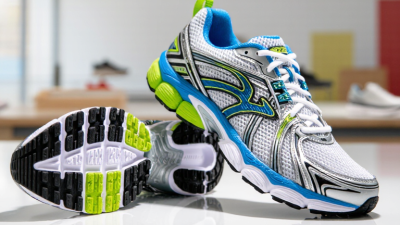
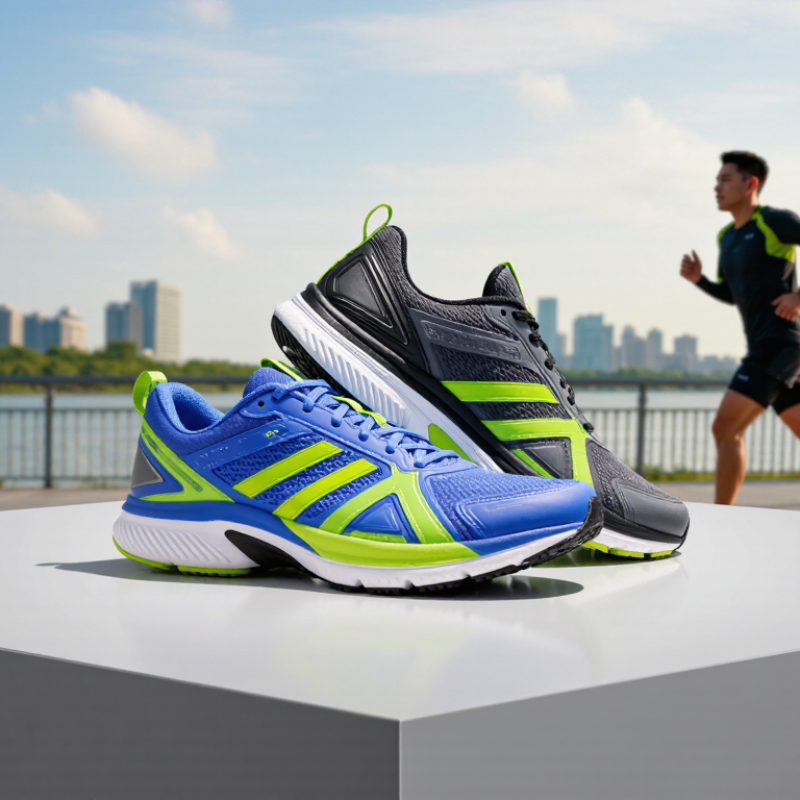
For a brand, custom running shoes mean control over fit, materials, and performance choices. The design starts with a specific runner and use case, rather than a logo on an existing shoe. A daily trainer might use a roomy toe box, breathable mesh, and durable rubber beneath the heel. A speed-focused model may need lighter materials and a different midsole feel. Small choices matter.
The market is substantial: Grand View Research valued the global running footwear market at USD 49.3 billion in 2023 and projected 5.8% annual growth from 2024 to 2030 in its Running Footwear Market report. That figure shows scale, not guaranteed demand for any one custom design. It isn't magic. Brands still need to test prototypes with runners across sizes, distances, and surfaces. A shoe that feels secure on a short indoor try-on may rub after several outdoor kilometres. Feedback can also conflict; one runner’s snug fit is another’s pressure point. Customization works best when design decisions, sample revisions, and production tolerances are documented, even when the first version misses the mark.
How Customization Creates a Distinct Brand Identity
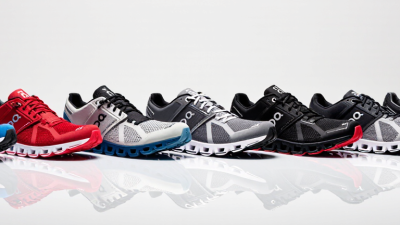
A running shoe can carry a brand’s identity before a runner reads its label. Custom colors, panel shapes, and carefully placed textures make that identity visible on the road. A muted upper with one bright heel detail, for example, can feel more recognizable than several competing colors. Small choices matter. They help create a consistent look across product photos, team kits, and retail displays.
Customization also lets brands connect appearance with practical design. A specific outsole pattern, upper material, or tongue shape can support the needs of a target runner while reinforcing a visual style. These details should be tested in samples, not chosen from a screen alone. Check how colors change in daylight, how stitching feels underfoot, and whether decorative panels affect flexibility. It takes time.
Still, customization is not magic. It is easy to overdesign a shoe and make its identity harder to recognize. A focused palette and a few repeatable details often communicate more clearly than a crowded design. Feedback from wear tests can reveal problems that sketches miss, though one sample cannot represent every runner. The strongest identity grows from choices that look distinctive and feel considered.
How Design Choices Affect Fit, Comfort, and Performance
Custom running shoes give a brand control over details that directly shape the runner’s experience. The toe box, heel shape, and midsole thickness all affect how a shoe feels on foot. A narrow front may hold the foot securely, but it can press against toes during longer runs. A small change in width can make a noticeable difference.
Fit starts with the shape of the foot and the way it moves. A stable heel counter can reduce slipping, while flexible upper materials may ease pressure across the instep. These choices should be tested on different foot shapes, not just a single fit model. Small details matter. A seam near the little toe, for example, may rub after several miles, even if the shoe feels comfortable in a quick fitting.
Comfort and performance depend on more than soft cushioning. Foam firmness, outsole grip, and shoe weight influence how the shoe responds on pavement or a track. More cushioning may feel pleasant, but it can also change stability for some runners. There is no single ideal setup. Sample runs, wear tests, and honest feedback help reveal what works, though early prototypes often need another adjustment. That part can be frustrating, and it is easy to overlook. A design choice should be judged by how it performs over time, not by appearance alone.
How Custom Shoe Production Supports Product Strategy
Custom running shoes can turn a product strategy into decisions runners can feel. A brand may target daily training, distance racing, or wet-weather routes, and each use calls for different priorities. A durable outsole, for example, may matter more to a commuter than a few grams of weight. Production planning helps connect those priorities to materials, construction, and price.
Start with a clear customer profile and a short list of product requirements. Choose the upper’s breathability, the midsole’s firmness, and the outsole’s grip based on intended use, not novelty alone. Small details matter. A heel collar that rubs during a ten-minute fitting may cause problems on a longer run. Fit trials across several sizes can reveal issues that a polished sample hides.
Prototypes make the strategy testable. Have runners use them on familiar routes, then record where pressure, slipping, or excess heat appears. Keep notes on size, socks, pace, and surface; otherwise, feedback can be hard to compare. Not every choice pays off. A softer foam may feel comfortable in a showroom but compress too quickly for some runners. Production teams can revise the design, check repeatability, and assess whether the change still fits the target cost. That process takes time, and early assumptions sometimes need to be reconsidered.
Why Choose Custom Running Shoes for Your Brand?
How custom shoe production supports product strategy
Asia’s large share of footwear production highlights the importance of sourcing strategy when developing custom running shoes. Custom production can help teams tailor fit, materials, and product features to specific customer needs while evaluating manufacturing options.
Source: World Footwear Yearbook 2023; regional shares of global footwear production in 2022.
What to Assess When Choosing a Manufacturing Partner
Why Choose Custom Running Shoes for Your Brand?
What to Assess When Choosing a Manufacturing Partner
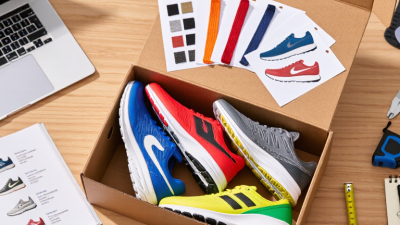
A capable manufacturing partner should explain how your design becomes a repeatable shoe. Ask about pattern development, last selection, outsole tooling, and available upper materials. Request a physical sample, then check heel hold, toe room, and forefoot flex during a short run. A shoe can look polished on a desk but rub after several kilometres. That detail matters. Also review how the factory grades sizes and records material specifications, so later production matches the approved sample.
Tips: Share a clear tech pack, including measurements and material references. Ask how many sample revisions are included, and confirm who pays for shipping. Keep feedback specific: “the heel slips” is more useful than “the fit feels off.”
Before placing a large order, ask how defects are inspected and documented. Find out whether checks happen during production or only at final packing. Discuss minimum order quantities, lead times, and how delays are communicated. Request recent production examples or a factory visit where practical. A first sample may still feel too firm; that is useful feedback, not failure. Test it with different socks and on more than one surface. No partner removes every risk, so clear records and candid conversations help catch problems early.