Choosing a Sports Shoes Manufacturer is no longer only a purchasing decision. It is a product strategy.
The global footwear industry produced more than 22 billion pairs in 2023, according to the World Footwear Yearbook 2024. McKinsey’s Sporting Goods reports also describe a market shaped by steady growth, digital sales, sustainability demands, and faster product cycles. These figures reveal a crowded field. They also expose a practical problem: a weak manufacturing partner can turn a promising shoe into a costly delay.
An experienced Sports Shoes Manufacturer brings more than machines. It offers material testing, outsole development, cushioning knowledge, sample control, and production consistency. Picture a running shoe on a laboratory treadmill, its foam compressed thousands of times. That small test can influence comfort, returns, and customer trust.
Tinker Hatfield, Nike’s renowned footwear designer, said, “You have to know the past to invent the future.” His point remains useful for manufacturers. Proven construction methods matter, but they should not block better materials or smarter processes. A capable factory can connect both.
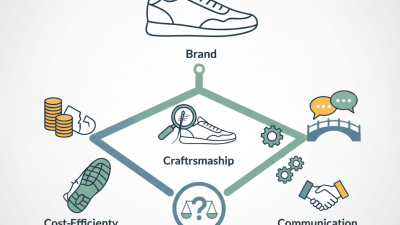
Manufacturing expertise also improves communication. Clear technical packs, accurate prototypes, and documented inspections reduce expensive misunderstandings. Certifications and audit records add confidence, though paperwork alone cannot guarantee quality. This is where buyers must remain critical.
No factory is perfect.
Some suppliers promise impossible lead times. Others present beautiful samples but struggle with bulk production. The right partner should welcome questions, explain limitations, and provide measurable evidence. Choosing carefully may require more time at the beginning. It can prevent greater costs later. With the right Sports Shoes Manufacturer, design ambition becomes a dependable product, not merely an attractive sketch.
A sports shoes manufacturer is a company that turns performance footwear ideas into physical products. It may handle material sourcing, pattern development, cutting, stitching, molding, assembly, and packing. Some manufacturers also provide technical design support. Others mainly produce from a buyer’s specifications. That difference matters.
In a practical factory assessment, I look beyond clean showrooms. I ask how samples are recorded, how rubber hardness is checked, and how workers inspect bonding around the sole. A reliable manufacturer should explain its production flow clearly. It should also maintain traceable material records and documented quality checks. For running or training shoes, testing may include flexing, abrasion, slip resistance, and repeated impact. These tests do not replace field use. Real feet are less predictable.
A capable sports shoes manufacturer also manages communication between designers, technicians, and production teams. Small changes in toe shape or foam density can alter comfort significantly. During sampling, measurements, wear trials, and feedback should be reviewed together. Mistakes still happen. A rushed sample may hide a weak seam or uncomfortable edge. That is why experienced teams revise patterns instead of defending the first version. Buyers should check capacity, worker training, inspection methods, and delivery records before placing large orders. The lowest quote can become expensive when defects, delays, or inconsistent sizing appear. Good manufacturing is not only about machines. It depends on repeatable judgment.
Why Choose a Sports Shoes Manufacturer? The answer often begins with development, not mass production. Professional manufacturers turn movement requirements into measurable specifications. They study foot shape, pressure zones, running surfaces, and expected use. A trail shoe needs different grip than an indoor training shoe. Small details matter.
Development usually starts with a last, pattern, and sample upper. Technicians adjust foam density, heel support, flex grooves, and outsole geometry. Wear testing then exposes problems that drawings cannot predict. A heel may slip after twenty minutes. A seam may irritate the little toe. These failures are useful evidence. According to the World Footwear Yearbook 2024, global footwear production reached about 23.9 billion pairs in 2023. At that scale, repeatable testing and process control are essential. Yet prototypes are never perfect.
Production converts approved samples into controlled operations. Cutting teams check material direction before shaping each component. Stitching operators maintain seam allowances and thread tension. Assembly workers bond uppers to midsoles under controlled pressure and temperature. Quality teams inspect bonding, symmetry, flexing, and size consistency. A practical factory should retain inspection records and traceable material information.
Material choices also require honesty. Textile Exchange’s Materials Market Report 2024 reported polyester represented about 59% of global fiber production in 2023. Recycled inputs can reduce dependence on virgin resources, but they still require testing for strength, colorfastness, and durability. A responsible manufacturer explains these trade-offs clearly. Data supports decisions, but field use reveals the uncomfortable details.
Why Choose a Sports Shoes Manufacturer?
A specialized sports shoes manufacturer offers more than production capacity. It provides tested knowledge of cushioning, outsole grip, upper strength, and fit. These details affect comfort during every step. The global athletic footwear market was valued at about USD 152.5 billion in 2023, according to Grand View Research. Competition is intense. Small design errors can become expensive returns.
Manufacturers also improve development speed. Their teams can adjust patterns, select suitable foam densities, and build functional prototypes. A technical meeting can solve problems faster than scattered supplier communication. Material testing may include abrasion, flexing, bonding, and color stability. These checks support more reliable quality control. The World Footwear Yearbook 2024 reported roughly 23.9 billion pairs of footwear were produced worldwide in 2023. That scale shows why organized sourcing matters.
Cost control is another practical benefit. Experienced manufacturers often reduce waste through accurate cutting and stable production planning. They can also recommend materials that balance performance and price. Still, a factory is not automatically the right partner. Sample approval, inspection records, production transparency, and communication discipline require careful review. I would not rely on promises alone. A beautiful sample can hide weak bonding or inconsistent sizing. Independent testing remains valuable, especially when products target repeated training use.
| Benefit Area | Manufacturer Capability | Measurable Data or Standard | Practical Buyer Advantage |
|---|---|---|---|
| Product Development | Integrated pattern making, last development, material selection, sampling, and wear-test support | A standard footwear development process normally includes design review, sample making, fit evaluation, revision, and pre-production approval | Fewer handoffs between suppliers and better control over fit, appearance, and performance |
| Material Performance | Selection and testing of mesh, synthetic leather, rubber, EVA, TPU, textile, and bonding materials | Common evaluations include tensile strength, tear strength, flexing, abrasion, color fastness, and material adhesion | The shoe can be matched more accurately to running, training, court, lifestyle, or outdoor use |
| Outsole and Slip Performance | Outsole compound design, tread development, rubber formulation, and mold adjustment | Slip-resistance testing for footwear can be conducted according to ISO 13287; abrasion and flexing tests are also commonly used | Improved traction consistency and a lower risk of premature outsole wear |
| Fit and Size Consistency | Use of standardized lasts, size grading, fitting trials, and production measurements | One Paris point equals approximately 6.67 mm in traditional European shoe sizing; actual grading varies by region and product type | More reliable sizing across production batches and fewer fit-related returns |
| Quality Control | Incoming-material inspection, in-line checks, finished-goods inspection, and defect classification | ISO 2859-1 provides a recognized statistical sampling framework for lot-by-lot inspection | Quality decisions become documented, repeatable, and easier to audit |
| Customization | Custom colors, upper materials, outsole patterns, logos, packaging, labeling, and size ranges | Color specifications can be controlled using approved physical samples or recognized color references, together with a signed production sample | A product can be aligned with a target market, price position, and product identity |
| Regulatory Compliance | Material documentation, restricted-substance screening, labeling support, and compliance file management | Depending on the destination market, requirements may include REACH chemical restrictions, consumer-product rules, labeling laws, and packaging regulations | Lower compliance risk and better readiness for customs, retailer, or marketplace reviews |
| Production Scalability | Established cutting, stitching, molding, assembly, curing, inspection, and packing workflows | A documented production plan normally defines capacity, critical operations, inspection points, approved materials, and delivery milestones | Easier transition from samples to repeat orders without redesigning the entire supply chain |
| Cost and Supply-Chain Control | Consolidated purchasing of materials, coordinated production scheduling, and centralized quality management | Total landed cost is affected by materials, labor, tooling, packaging, freight, duties, inspection, and payment terms—not only the unit price | More accurate budgeting and clearer control of the full cost from development to delivery |
| After-Sales Improvement | Root-cause analysis, corrective-action reports, production traceability, and feedback-based model revisions | Typical corrective-action records identify the defect, affected lot, probable cause, containment action, permanent action, and verification result | Recurring defects can be reduced systematically in future production runs |
Note: Testing, compliance requirements, production capacity, minimum order quantities, lead times, and pricing vary according to the product design, materials, order volume, and destination market.
Choosing a sports shoes manufacturer requires more than comparing prices. The World Footwear Yearbook 2024 reports that global footwear production reached about 23.9 billion pairs in 2023. Asia produced roughly 87% of them. This scale creates options, but also makes factory quality harder to judge. Look for documented experience with your shoe category, material knowledge, and stable production capacity. Ask how the factory controls outsole bonding, stitching strength, flexing, and moisture resistance. Request recent test records, not only attractive samples.
Tips: Visit the production floor when possible. Check cutting waste, worker training, inspection points, and storage conditions. Ask for a pilot run before placing a larger order. A pilot run reveals weak glue, uneven sizing, and packaging damage early. Confirm whether testing uses recognized laboratory methods, with clear sample numbers and dates.
Supply-chain reliability also matters. McKinsey’s Sporting Goods 2024 analysis highlights resilience, innovation, and operational efficiency as continuing industry priorities. A capable manufacturer should explain lead times, material substitutions, minimum order quantities, and corrective actions. Transparent communication is a practical sign of professionalism. However, no factory is perfect. I would question any supplier promising zero defects or extremely fast delivery. A lower quote may conceal weaker materials, limited inspection, or expensive delays. Compare total landed cost, not the invoice alone. Keep specifications measurable, including weight, hardness, color tolerance, and acceptable defect limits.
Why Choose a Sports Shoes Manufacturer?
How to Evaluate Quality, Cost, and Production Capabilities
Choosing a sports shoes manufacturer requires more than comparing factory quotes. According to the World Footwear Yearbook 2024, global footwear production fell 6.9% in 2023, reaching 22.4 billion pairs. This pressure makes production efficiency important, but cheaper is not always better. Ask for material specifications, laboratory test results, and inspection records. Check the outsole grip, foam recovery, stitching density, and bonding strength. A credible factory should explain its testing methods clearly. Ask for evidence.
Sample approval is only one step. I have learned that a polished sample can hide unstable mass production. Request pilot runs before confirming large orders. Compare the approved sample with randomly selected production pairs. Small differences matter, especially around heel counters, toe boxes, and sole alignment. The McKinsey Sporting Goods 2025 report expects the industry to grow at roughly 5% annually through 2029, increasing pressure for flexible and responsive suppliers. Evaluate monthly capacity, machinery, worker skills, and backup material sources. Capacity is not machinery. It is repeatable performance.
Cost should include tooling, testing, packaging, defects, shipping, and possible delays. A factory with transparent cost sheets is easier to manage. Certification documents also need verification, not blind trust. I would still leave room for doubt; forecasted demand may be wrong, and minimum order quantities can restrict cash flow. The right manufacturer combines measurable quality, realistic pricing, and production evidence.
How to Evaluate Quality, Cost, and Production Capabilities
A capable sports shoes manufacturer should demonstrate consistent quality control, competitive cost structure, and reliable production capacity. The chart uses practical industry benchmark indicators: defect rate below 2%, material and labor costs representing approximately 55% of total manufacturing cost, and a typical bulk production capacity of 10,000 pairs per month. Actual figures vary by product design, materials, order quantity, and factory equipment.