Why Choose Custom Athletic Footwear for Your Brand?
A strong athletic footwear brand begins with a clear understanding of its users. Runners notice pressure points, unstable heels, and heat after several miles. Court athletes feel every weakness during quick lateral movement. Custom Athletic Footwear allows brands to respond to these real experiences with purposeful design choices.
The process can include foot measurements, movement analysis, prototype testing, and structured customer feedback. Experienced developers can compare foam density, outsole traction, upper flexibility, and heel support. Materials should also be evaluated for durability, comfort, and consistent production quality. Fit matters. A beautiful sample means little if customers avoid wearing it.
A reliable manufacturing partner should explain testing methods, production limits, and quality controls. Brands can request wear-test reports, inspect samples, and confirm material specifications before placing larger orders. Independent reviews may reveal problems that internal teams miss. That gap matters. Not every custom design improves performance, and added features can increase weight, cost, or production complexity.
The most credible brands treat development as an ongoing learning process. They listen to athletes, document revisions, and admit when a prototype fails. One model may need a softer collar, stronger stitching, or better ventilation around the toes. These details influence comfort during real training, not only during a studio photo shoot. With careful research and honest evaluation, custom footwear can strengthen brand identity while delivering practical value to the people who wear it.
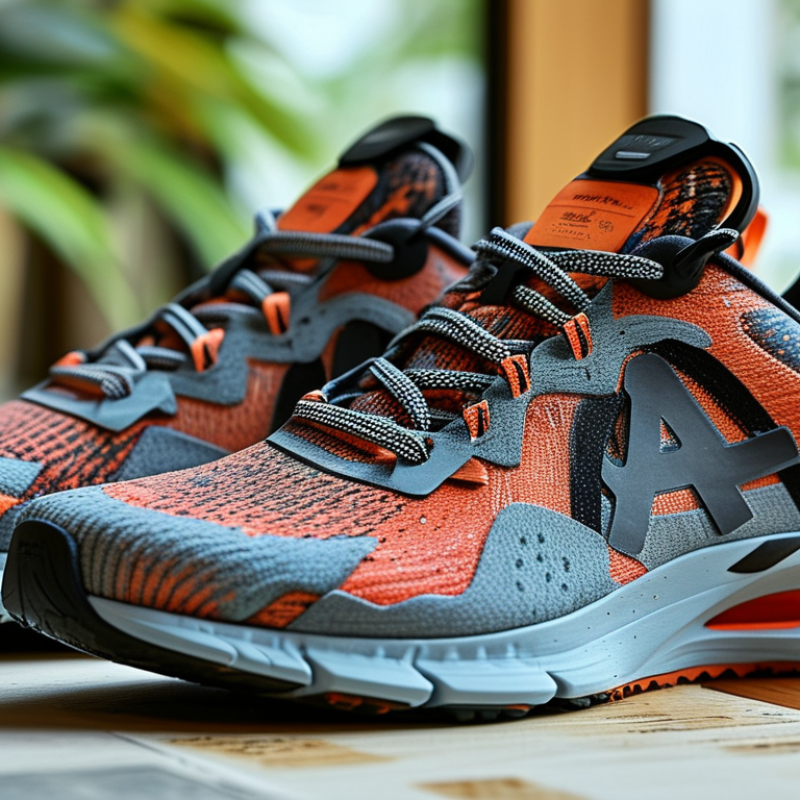
Custom athletic footwear is designed around a brand’s specific purpose, audience, and performance needs. It is more than adding a logo to an existing shoe. The process may begin with a sketch, a foot measurement, or a detailed use case. A development team studies movement, surface conditions, weight, and expected wear. Small details matter.
Designers can adjust the upper, cushioning, outsole pattern, heel structure, and closure system. A running shoe may need flexible forefoot movement and controlled impact absorption. A training shoe may require stronger side support during quick changes of direction. Materials are selected for breathability, durability, comfort, and production consistency. Fit must be tested on different foot shapes. Looks can mislead.
For a brand, custom footwear can create a clearer connection between product function and customer expectations. It may also support a consistent design language across colors, materials, and packaging. However, customization does not guarantee a better shoe. Sampling can reveal pressure near the toes, uneven stitching, or an outsole that wears too quickly. A practical review should include walking, training, repeated bending, and inspection after use. One sample may feel excellent, while another exposes a poor fit. That is useful evidence, not failure. Honest revisions often produce a more reliable final design.
Why Choose Custom Athletic Footwear for Your Brand?
How Custom Footwear Supports Brand Identity
Custom athletic footwear turns brand identity into something customers can see, wear, and remember. Every detail can support a clear visual language, from the color balance to the shape of the sole. A carefully placed logo is useful, but it should not carry the entire design. Stitching, lining, laces, and packaging can create a stronger and more consistent impression.
Practical experience shows that comfort affects brand perception just as much as appearance. A shoe that looks impressive but causes pressure points can weaken customer trust. Fit testing, walking trials, and material checks help connect the design with real use. Test it honestly. Gather feedback from different foot shapes and activity levels before production. Small adjustments to the heel counter or tongue can change the daily experience.
Custom footwear also gives teams better control over quality and communication. Designers can document color codes, material sources, sizing measurements, and inspection standards. This record supports consistency across future orders and reduces avoidable mistakes. Still, perfection is not automatic. A striking color may fade under strong sunlight, or a lightweight fabric may wear sooner than expected. That detail matters. Honest testing and transparent product information make the identity more credible, especially when customers use the footwear repeatedly in demanding conditions.
Custom athletic footwear gives a brand more control over performance and customer appeal. Designers can tune the heel counter, foam density, outsole grip, and forefoot flex. These details matter during repeated sprints, long walks, and sudden direction changes. A shoe should feel stable before it feels impressive.
Market evidence supports this focus. The McKinsey and World Federation of the Sporting Goods Industry Sporting Goods 2024 report expects the global sporting goods industry to grow by roughly 6% annually through 2027. Meanwhile, Grand View Research estimates the global athletic footwear market reached about USD 152 billion in 2023. These figures suggest strong demand, but demand alone does not create loyalty. Customers notice pressure points, slippery soles, and heat buildup within minutes.
Fit becomes a brand experience.
Custom development allows teams to test different foot shapes, activity patterns, and local climate needs. Wear testing should include real users, not only internal staff. Record heel movement, blister locations, outsole wear, and comfort after several hours. The process can expose uncomfortable truths. A visually striking upper may fail in rain. A lightweight sole may wear too quickly. These flaws are useful evidence, not minor details. Clear testing records, material documentation, and honest product claims also strengthen trust. The best custom footwear combines measurable support with a recognizable design language, without sacrificing everyday comfort.
| Benefit Area | Measurable Design Dimension | Recommended Custom-Footwear Target | Performance and Customer Appeal |
|---|---|---|---|
| Lightweight Construction | Weight per shoe in a standard adult training size | Approximately 220–320 g per shoe, depending on cushioning, support, and outsole requirements | Lower mass can help reduce perceived fatigue and creates a more agile, performance-oriented product experience. |
| Cushioning and Shock Management | Midsole foam thickness and material selection | Approximately 25–40 mm heel stack with a heel-to-toe offset selected for the intended activity | A tuned midsole can balance impact protection, stability, and underfoot comfort for running, training, or court use. |
| Fit and Foot Support | Last shape, forefoot width, heel counter, and arch geometry | Offer at least 2–3 width or volume options where customer foot-profile data supports the need | A better-fitting shoe can improve comfort, reduce pressure points, and make the product feel more purpose-built. |
| Traction and Outsole Performance | Rubber coverage, tread pattern, lug depth, and surface-specific grip testing | Use approximately 2.5–4.0 mm tread depth for many training applications, then validate on the intended surface | A sport-specific outsole improves confidence during acceleration, lateral movement, and braking. |
| Breathability and Moisture Control | Upper ventilation zones, mesh openness, lining material, and moisture-wicking construction | Place breathable materials in high-heat zones while retaining reinforced panels in high-abrasion areas | Improved airflow and moisture management support comfort during extended workouts and warm-weather use. |
| Durability and Product Life | Outsole abrasion, flex-cycle performance, seam strength, and adhesive integrity | Validate the finished shoe through repeated flexing, abrasion, bond-strength, and wear testing before production | Verified durability supports customer trust, fewer premature failures, and stronger perceived product value. |
| Brand Differentiation | Color palette, material contrast, logo placement, pattern language, and packaging consistency | Use a controlled palette of 2–4 primary colors with consistent visual details across the shoe and packaging | A distinctive product identity improves shelf recognition and supports a more memorable customer experience. |
| Sustainability Communication | Recycled content, material traceability, repairability, and packaging reduction | Document the percentage and source of recycled materials instead of using unsupported environmental claims | Clear, verifiable material information can increase transparency and help customers make informed choices. |
| Design Validation | Wear trials, pressure mapping, fit feedback, laboratory testing, and size-set reviews | Evaluate multiple samples across different foot shapes and activity levels before finalizing the production specification | Testing converts aesthetic concepts into measurable product improvements and lowers development risk. |
Note: The numerical ranges are practical design targets rather than universal performance claims. Final specifications should be confirmed through fit trials, laboratory testing, and activity-specific wear testing.
Custom athletic footwear starts with a clear performance brief. Define the sport, user profile, training surface, climate, and target price. These details guide every later decision. During discovery, I prefer measuring real movement rather than guessing from trends. Video analysis, foot scans, and athlete interviews can reveal pressure points. Small observations matter.
Designers then translate findings into a last, upper pattern, midsole geometry, and outsole map. Material selection should balance breathability, abrasion resistance, flexibility, and responsible sourcing. Technical drawings alone are not enough. A sample must be worn. Fit sessions expose heel slip, toe pressure, uneven cushioning, and stitching discomfort.
The first sample is rarely perfect, and that is useful. However, some teams rush revisions when the evidence is still incomplete. That mistake can create expensive tooling changes later.
Prototype testing should follow a written protocol. Record mileage, surface, weather, user feedback, and visible wear after each session. Laboratory checks can assess flexing, bonding, abrasion, and structural consistency. Independent review adds credibility, especially when performance claims are published. Before production, confirm tolerances, inspection points, packaging, and production samples. Approval should be documented. Even experienced developers revisit the process when field results challenge the original brief. That discipline protects comfort, function, and the trust behind a new footwear line.
Why Choose Custom Athletic Footwear for Your Brand?
Choosing a manufacturer requires more than comparing sample photos and unit prices. The World Footwear 2024 Yearbook reported global footwear production of about 23.9 billion pairs in 2023. This scale creates pressure on capacity, materials, and quality control. Ask whether the factory can produce your required volume without rushing critical steps. Review its experience with athletic soles, breathable uppers, cushioning systems, and reinforced stitching. A factory should explain technical choices clearly, not hide behind polished presentations.
Material traceability also matters. Request supplier records, test reports, and written quality standards. Check abrasion resistance, flexing performance, bonding strength, colorfastness, and sizing consistency. Independent testing is valuable because factory inspection alone can miss repeated weaknesses. Grand View Research estimates continued growth in the global athletic footwear market through 2030, but growth does not guarantee reliable production. A low quote can look smart. It may not be. Labor planning, tooling changes, rejected units, and shipping delays can quickly increase the real cost. I would also examine communication speed, production photographs, and how the manufacturer handles one failed sample.
Tips: Order a small pilot run before committing to mass production. Measure several pairs from the same batch. Wear-test them on wet floors, tracks, and ordinary streets. Ask for a corrective-action report when defects appear. A manufacturer that accepts difficult questions is often safer than one promising perfection. Still, no checklist replaces physical inspection. That is where many decisions become less comfortable, and more honest.
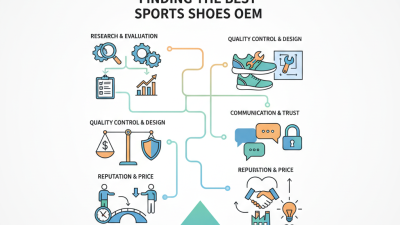
Before selecting a manufacturer, evaluate the factors that most directly affect product performance, production reliability, cost control, and long-term brand growth. The planning weights below represent a practical evaluation framework for comparing manufacturing partners.
Higher percentages indicate greater importance during the initial manufacturer evaluation. Product quality, development capability, and production consistency should be assessed alongside pricing and minimum order requirements.