Top Tips for Choosing the Best Sports Shoes OEM Supplier?
Selecting the right Sports Shoes OEM supplier can significantly impact your business. The right partner ensures quality, innovation, and a reliable production process. A well-chosen OEM can enhance your brand’s reputation, providing stylish and durable footwear that meets consumer demands.
In today’s competitive market, it's crucial to assess potential suppliers carefully. Look for companies with experience in the sports shoe industry. Ideal partners should have a proven track record of delivering quality products on time. Your choice of supplier can shape your product line and ultimately affect sales.
Reflect on your specific needs. Are you looking for advanced materials or sustainable practices? Do you require rapid prototyping for new designs? Engaging with suppliers who align with your vision is essential. Avoid rushing this decision; investing time will yield better outcomes. Strive for a partnership that not only meets your expectations but also challenges them.
Understanding the Role of an OEM Supplier in Sports Shoe Production
When choosing a sports shoes OEM supplier, understanding their role is crucial.
An OEM (Original Equipment Manufacturer) partners with brands to create and manufacture their products. They provide the expertise, technology, and production capacity needed in today’s competitive market. This collaboration allows brands to focus on marketing while relying on the OEM for quality production.
To ensure a successful partnership, consider the supplier's experience in the industry.
A reliable OEM should have a strong track record in sports shoe production. Ask for case studies or references to gauge their capabilities.
Evaluating their technology is also essential. Advanced machinery and production methods can enhance quality and efficiency.
Communication plays a vital role in this relationship. Discuss design requirements and timelines clearly.
Misunderstandings can lead to delays or subpar products. Look for a supplier who values transparent communication. Visit their facility to observe their processes firsthand. This often reveals their commitment to quality and attention to detail.
Ultimately, choosing the right OEM supplier can impact your brand’s success. Take the time to research and evaluate potential partners thoroughly.
Trust your instincts if something feels off during discussions. Your brand deserves an OEM supplier that aligns with your vision and standards.
Key Factors to Consider When Selecting a Sports Shoes OEM Supplier
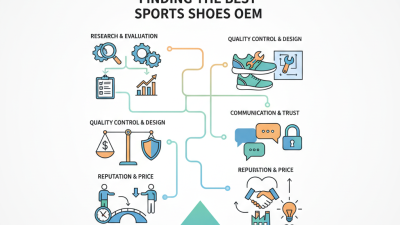
Choosing the right sports shoes OEM supplier is crucial for your business success. Start by assessing their experience in the industry. Look for suppliers that have been in the market for several years. Their history can reveal a lot about their reliability. Ask for case studies or examples of previous collaborations. This helps gauge their ability to deliver quality products.
Next, consider their production capabilities. Not all suppliers can handle large orders. Some might only manage small batches. Ensure they have the necessary technology and workforce to meet your demand. It's essential to communicate your expectations clearly. Misunderstandings can lead to delays or subpar products.
Lastly, check for compliance with safety standards. Not every supplier adheres to necessary regulations. Do they provide certifications? This is a key factor. Quality assurance is non-negotiable in the sports footwear market. You want to avoid suppliers with a history of issues. Poor quality can damage your brand reputation. Ultimately, it’s about finding a balance between experience and reliability.
Evaluating Quality Standards and Certifications of OEM Suppliers
When selecting an OEM supplier for sports shoes, evaluating quality standards is crucial. Look for suppliers that hold recognized certifications. These certifications ensure they adhere to industry standards. ISO, for example, signifies a commitment to quality management. It’s not just a badge; it shows reliability in processes.
Examine the materials used by potential suppliers. High-quality materials lead to durable and comfortable shoes. A reliable supplier should provide transparency about their sourcing. Ask for samples to assess quality firsthand. It’s essential to note any discrepancies. If a supplier hesitates to share product details or certifications, reconsider your choice.
Inspecting production processes is another vital step. Ensure the supplier practices ethical manufacturing. This not only reflects on the quality but also on brand integrity. Engage in discussions about their quality control measures. If a supplier lacks a robust quality management plan, it could lead to future issues. Choose wisely; the right OEM partner affects your brand's reputation significantly.
Assessing Communication and Support Services Offered by Suppliers
When selecting a sports shoes OEM supplier, assessing communication and support services is crucial. Clear communication can prevent misunderstandings during production. You should ensure that the supplier is easily reachable. This could be through various channels like email, phone, or instant messaging. Quick responses indicate a reliable partner.
Consider the types of support services offered. Does the supplier provide ongoing assistance throughout the process? A supportive supplier will help you navigate any issues that arise. Look for those who offer regular updates and are open to feedback. This kind of partnership can enhance production quality.
Take the time to evaluate how they handle inquiries. A responsive supplier demonstrates a commitment to your needs. Are they proactive in resolving issues? The quality of their support can influence your business reputation. An unresponsive supplier could lead to delays and frustration. Trust your instincts during this selection process.
Analyzing Pricing Structures and Terms for Sports Shoe OEM Partnerships
When choosing a sports shoe OEM supplier, analyzing pricing structures is crucial. Reports indicate that the global sports footwear market reached $114.9 billion in 2021 and is projected to grow at a compound annual growth rate (CAGR) of 3.5% from 2022 to 2030. With this growth comes a competitive landscape that can impact pricing strategies of OEM suppliers.
Understanding the cost breakdown is essential. Typically, manufacturers categorize expenses into material costs, labor, and overhead. Material costs can fluctuate. A 2023 survey revealed that raw material prices for synthetic materials alone have increased by 15% over the past year. This impacts the final pricing for customers. Additionally, suppliers often offer varying terms that may include minimum order quantities or lead times.
It's vital to request detailed quotations. Ask for transparency in pricing components. Some suppliers may hide costs in vague terms, which can lead to unexpected expenses down the line. A rational approach requires examining contracts closely, including warranty terms and quality assurance measures. Some partnerships fail due to miscommunication about these elements. A thorough review can mitigate risks associated with supplier relationships.