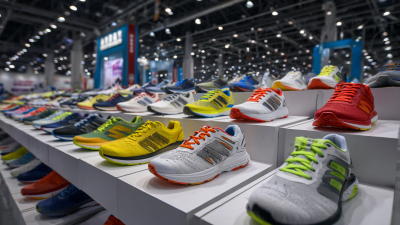
What is the Best Way to Customize Athletic Shoes for You?
The growing popularity of custom athletic shoes highlights a major shift in consumer preferences. According to a recent report by Allied Market Research, the global custom sports footwear market is expected to exceed $10 billion by 2025. This data reflects a rising demand for personalized performance gear. Athletes increasingly seek shoes tailored to their specific needs.
Expert endorsements further emphasize this trend. Dr. Emily Carter, a renowned sports scientist, states, "The right customized footwear can enhance performance and reduce injury risks." This insight underscores the importance of scientifically informed choices in athletic footwear. Custom athletic shoes offer athletes a unique advantage by ensuring proper fit and support.
However, not every customization process results in optimal performance. Some athletes struggle to find the balance between style and function. Others may overlook the biomechanical aspects crucial for their sport. These imperfections highlight the need for careful consideration when selecting custom athletic shoes. Tailoring these shoes requires expertise, and it’s vital to reflect on how personal preferences align with athletic performance.
Understanding Your Foot Type and Needs
Understanding your foot type is crucial in customizing athletic shoes. Flat feet, high arches, and neutral foot types each require different support. A thorough assessment can reveal your foot's structure. Arch height is a critical factor; it influences how you distribute weight while running or walking.
Consider the shape of your foot. Some people have wider or narrower feet, affecting fit. If your shoes are too tight, it can lead to discomfort and blisters. Sometimes, even the best shoes don't feel right. Experimenting with insoles may provide better support and comfort.
Foot type can change over time due to aging or injury. Regularly reassessing your needs is essential for optimal comfort. Ideal customization goes beyond style; it's about performance and health. Listening to your body can guide you to the perfect fit. Not every shoe will be comfortable; perseverance and patience in finding the right pair are vital.
Choosing the Right Materials for Customization
When customizing athletic shoes, material selection plays a crucial role. Some materials offer superior comfort and flexibility, while others provide stunning aesthetics. Lightweight mesh is a popular choice for breathability. It keeps your feet cool during intense workouts. However, it may lack durability and need replacement faster than thicker fabrics.
Leather provides resilience and a classic look. It molds to your feet over time, creating a personalized fit. Yet, it can be heavier and less forgiving. Many underestimate how much material choice affects performance. A mismatched material can lead to blisters or discomfort during runs. Evaluating your specific needs is essential.
Experimenting with materials requires some trial and error. You might start with one type of fabric and find it doesn't meet your expectations. Revisiting your choices can lead to unexpected discoveries. It’s important to listen to your body’s feedback during this process. Customization can be rewarding if you take the time to explore various options.
Customization Materials for Athletic Shoes
This bar chart displays the popularity of different materials used for customizing athletic shoes. Mesh ranks highest due to its breathability and lightweight properties, while rubber is favored for its durability. Synthetic materials are less popular but provide versatility in designs.
Techniques for Personalized Shoe Fitting
Finding the perfect fit for athletic shoes can be a game changer. Many people struggle with discomfort during workouts. A well-fitted shoe provides support and enhances performance. The first step toward personalized shoe fitting is understanding your foot type. While some have flat feet, others have high arches. Assessing your foot type can help you choose the right shoe structure.
Another essential technique is to measure your foot size regularly. Feet can change over time due to age, weight changes, or injury. It's advisable to measure your feet both in the morning and evening. Temperature can affect foot size; heat can cause feet to swell. A shoe that feels great in the morning may pinch at night.
In addition to measurements, experimenting with insoles and lacing techniques can further enhance comfort. Custom insoles can accommodate specific arch support needs. Trying different lacing styles can help stabilize the foot within the shoe. This method may require patience, as not every adjustment will yield immediate comfort. Listening to your body and adjusting as necessary is key in this process.
Incorporating Style and Functionality in Designs
Athletic shoe customization has become more than just a trend; it’s a necessity for many sports enthusiasts.
Design is crucial, blending style and functionality. Reports indicate that
78% of athletes prefer shoes that cater to their
aesthetic while offering durability. Many consumers want their shoes to reflect their personality, yet they also
need performance-oriented features. Combining these elements is essential for satisfaction.
Functionality is often overlooked. A stylish design doesn’t guarantee support. Data shows that
65% of runners experience foot discomfort due to poor-fitting shoes.
Custom design should prioritize comfort and foot health.
Innovative materials can enhance performance while maintaining a stylish edge. However, navigating these choices
can be overwhelming.
Athletic shoe customization involves a balance between vision and practicality. Consumers should think critically
about their priorities. Style shouldn't compromise function. Reflecting on this balance can lead to a more informed
investment. As design options expand, so do the challenges in making the right choice. Consumers need reliable
guidance to navigate this evolving landscape.
Maintaining and Caring for Customized Athletic Shoes
Customized athletic shoes require special care to maintain their unique qualities. Regular cleaning is essential. Use a soft brush and mild soap to remove dirt. Avoid aggressive chemicals that can damage the materials. A survey by the American Orthopedic Foot and Ankle Society shows that well-cared-for shoes can last up to 50% longer than neglected shoes.
Storing your customized shoes properly is just as important. Keep them in a cool, dry place. Avoid leaving them in direct sunlight, as this can fade colors and warp materials. The International Council of Shoe Science reports that improper storage can reduce a shoe's lifespan by up to 30%.
Pay attention to wear and tear. Inspect them regularly for loose stitching or worn-out soles. Early detection can save you from irreversible damage. Remember, customization can make shoes feel unique, but it also demands responsibility in upkeep. Not everyone prioritizes this, leading to wasted potential in their personalized gear.