How to Find the Best Casual Shoe Factory in China?
Finding the right Casual Shoe Factory in China is not simply a price comparison. It is a quality, communication, and risk decision. The World Footwear Yearbook 2024 reported that China remained the world’s largest footwear producer in 2023, supplying more than half of global output. That scale creates opportunity. It also creates uneven standards.
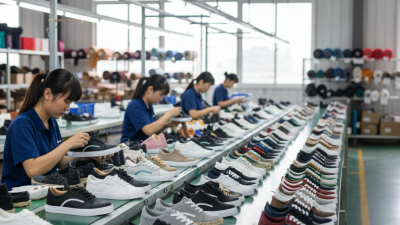
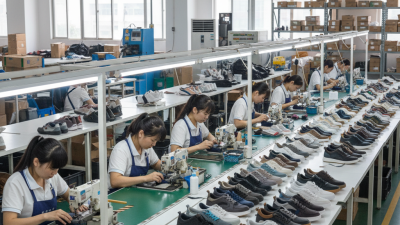
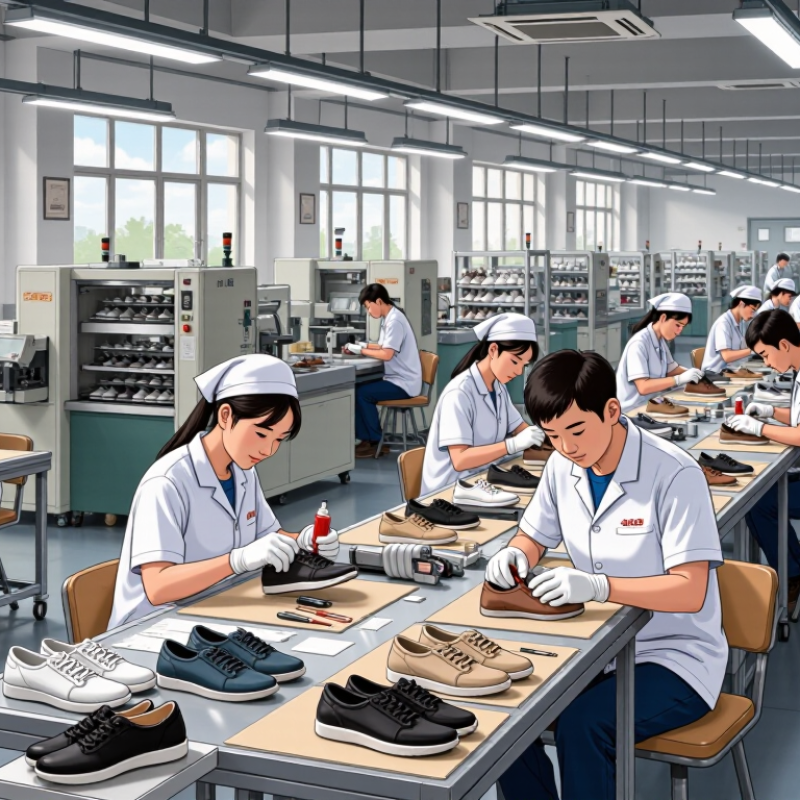
A serious factory should show more than attractive product photos. Request production records, material specifications, sample approvals, inspection procedures, and realistic lead times. Visit the workshop when possible. Watch how workers handle cutting, stitching, bonding, and final packing. Small details matter. Uneven glue lines can damage an entire shipment.
Matt Priest, president and CEO of the Footwear Distributors and Retailers of America, has described footwear as “a global business.” His point applies directly to sourcing from China. A factory may understand international orders, yet still misunderstand your fit, packaging, or quality expectations. Clear technical sheets reduce that gap.
Reports from the World Footwear Association and market research firms also show continuing pressure on footwear suppliers to improve efficiency, traceability, and sustainability. However, reports cannot replace factory-level evidence. A certification may be useful, but it does not guarantee every production line performs consistently.
The cheapest quotation may become the most expensive decision. This guide examines how to compare a Casual Shoe Factory through capacity, craftsmanship, communication, compliance, and after-sales support. Some conclusions may challenge common sourcing habits. That is useful. A reliable factory should survive careful questions, not avoid them.
Define Your Casual Shoe Product Requirements
Before searching for a casual shoe factory in China, define the product precisely.
Describe the intended customer, wearing occasion, target price, and seasonal use. A lightweight canvas sneaker needs different construction than a leather walking shoe. Small details matter.
Create a practical product sheet with upper materials, lining, outsole rubber, insole thickness, stitching color, size range, and closure type. Add reference photos and a simple sketch. Mention expected daily output, packaging requirements, and acceptable color differences.
If the outsole must bend at a certain point, measure it instead of writing “flexible.” This makes factory discussions more accurate.
Request a development sample from factories that can explain their process clearly. Check the stitching around the toe, glue marks, heel support, and balance on a flat surface. Ask about material testing, sample revisions, minimum order quantity, and production timing. Written specifications improve accountability. However, early assumptions can be wrong. I once treated a soft outsole as ideal for comfort, but it wore down quickly on concrete. Wear testing should happen before large-scale production. Keep approval records for materials, measurements, and final samples.
Verify Factory Qualifications, Capabilities, and Production Standards
How to Find the Best Casual Shoe Factory in China?
A qualified factory should provide valid business documents, production licenses, and clear ownership details. Ask for recent audit reports and verify their issuing organizations. A reliable supplier will explain its production process without avoiding difficult questions. Visit the workshop if possible. Check cutting tables, stitching lines, lasting machines, and packing areas. Factory capability matters.
Request samples made with your actual materials, patterns, and construction requirements. Compare stitching density, glue control, outsole bonding, and finishing details. Ask how workers inspect materials before production begins. Review their quality records, defect handling, and final inspection procedures. I have learned that attractive samples can hide weak mass production. A second sample is often necessary.
Tips: Speak with the production manager, not only the sales representative. Confirm monthly capacity, lead times, and backup equipment. Ask for a small trial order before making larger commitments. Document every specification in writing. Small details prevent expensive misunderstandings. Also, check whether the factory follows recognized safety, labor, and product testing standards. Certificates should be current and independently verifiable. Do not rely on photographs alone. A clean showroom proves very little. Their answers, records, and consistency reveal much more.
How to Find the Best Casual Shoe Factory in China?
Verify factory qualifications, capabilities, and production standards before placing an order.
This standards-based screening model prioritizes production capability, quality control, factory qualifications, and social or environmental compliance. Use the weighting as a practical audit framework, then verify certificates, production samples, inspection records, and facility conditions through current documents and on-site checks.
Evaluate Samples, Pricing, Materials, and Minimum Order Quantities
How to Find the Best Casual Shoe Factory in China?
China remains a major sourcing market for casual footwear. The World Footwear Yearbook 2024 reports that China produced about 55% of global footwear in 2023. However, production scale does not guarantee suitable quality. Request samples in your target size range. Inspect stitching, glue lines, heel balance, outsole flexibility, and odor after unpacking. Wear-test each sample for several hours. A polished showroom sample can hide uncomfortable pressure points.
Compare quotations line by line. Separate upper materials, lining, outsole, packaging, tooling, inspection, and freight. Ask whether the price uses genuine leather, microfiber, canvas, or coated synthetic material. Textile Exchange’s Materials Market Report 2024 shows polyester remained the largest fiber group globally, representing roughly 57% of total fiber production in 2023. That figure supports careful material verification, not automatic acceptance of synthetic claims. Request composition details, thickness, abrasion results, and colorfastness records. Documentation matters.
Minimum order quantities need practical negotiation. A factory may quote 500 pairs, but each color and size can create separate production requirements. Confirm the MOQ per style, color, and size breakdown. Ask about a smaller pilot order before committing to 3,000 pairs. My own sampling mistake was comparing only the unit price. The cheaper factory later required expensive mold changes. That was avoidable. Review lead times, payment stages, defect allowances, and corrective-action procedures in writing. Reliable suppliers answer specific questions consistently, even when the answers are inconvenient.
Confirm Quality Control, Lead Times, and Export Support
How to Find the Best Casual Shoe Factory in China?
China remains a major sourcing base for casual footwear. The World Footwear Yearbook 2024 reports that China produced 54.6% of global footwear in 2023. That scale creates options, but not every factory manages quality consistently. I recommend visiting the production floor, not only reviewing polished samples. Check stitching density, outsole bonding, size grading, and material records. Request a pre-production sample with approved measurements and packaging. Then arrange inline inspections during cutting, stitching, assembly, and finishing. A final inspection should follow ISO 2859-1 sampling principles, with agreed acceptable quality limits. Small defects become expensive after shipment.
Lead times must be confirmed in writing. Ask for separate schedules for material purchasing, sample approval, production, inspection, and loading. For ordinary casual shoes, production may require several weeks, but material availability changes everything. Confirm the factory’s capacity during peak seasons. Ask for a weekly progress report and dated photographs. I once trusted a confident delivery promise without checking outsole availability. The shoes arrived late. That mistake was avoidable.
Export support deserves equal attention. The factory should prepare accurate commercial invoices, packing lists, carton details, and origin documentation. Confirm export experience for your destination market and ask who handles freight coordination. WTO trade data shows China remains a leading merchandise exporter, but national export strength does not guarantee factory-level competence. Review previous shipping records, inspection reports, and customer references where possible. One missing document can delay a container. A clear process is valuable.