Why Choose an OEM Sneaker Manufacturer for Your Business?
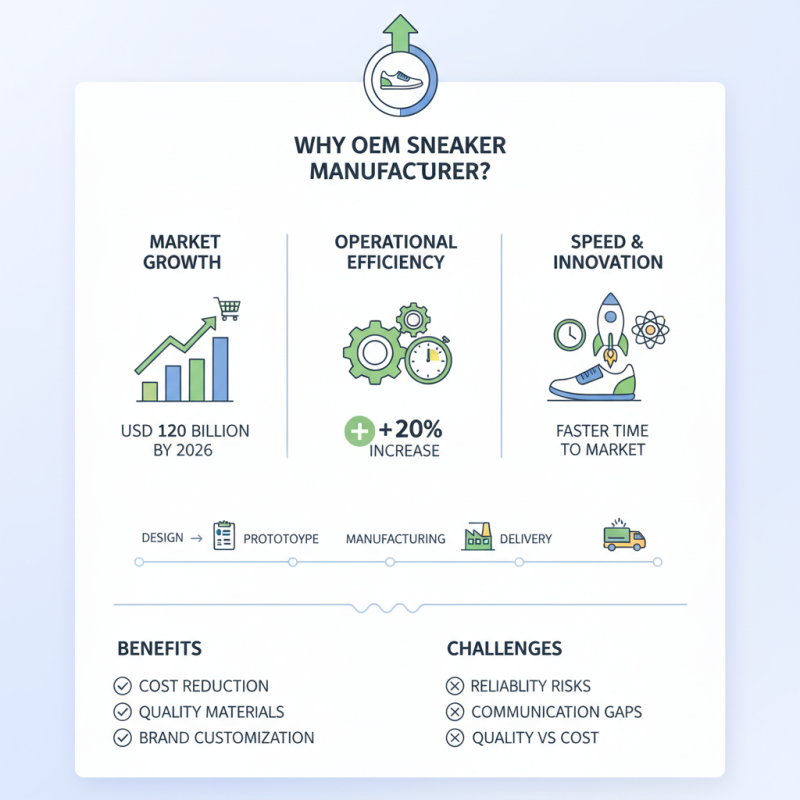
In today's competitive market, choosing the right partner for sneaker manufacturing is crucial for success. The global sneaker market is projected to reach USD 120 billion by 2026, according to industry reports. Here, an OEM sneaker manufacturer stands out as a valuable ally. The phrase "OEM," which stands for Original Equipment Manufacturer, signifies a company that has the expertise to produce high-quality footwear tailored to your brand's needs.
Collaborating with an OEM sneaker manufacturer allows businesses to leverage their specialized skills and advanced technology. This can reduce costs, streamline production, and speed up time to market. Industry insights reveal that companies utilizing OEM partnerships often see a 20% increase in operational efficiency. These manufacturers use state-of-the-art materials and methods, ensuring your products meet current market standards.
However, not all OEM manufacturers are the same. Businesses must carefully evaluate the reliability and reputation of potential partners. Communication and transparency are essential for a successful relationship. Relying solely on cost-cutting can lead to quality issues. Hence, companies should weigh the benefits against the challenges before making a decision. Choosing the right OEM sneaker manufacturer is a strategic move that can significantly impact brand growth and market positioning.
Understanding the Role of OEM Sneaker Manufacturers in the Industry
OEM sneaker manufacturers play a crucial role in the footwear industry. They provide businesses with the ability to produce custom designs at scale. This approach saves time and resources. By partnering with experienced manufacturers, brands can focus on marketing and sales instead of production logistics. Manufacturers bring deep knowledge of materials and production techniques. Their expertise can enhance product quality and innovation.
Tips: When choosing a manufacturer, assess their experience in your niche. Look for those who understand latest trends. Their insights can lead to better product fit.
Some challenges exist in working with OEMs. Communication barriers may arise. Language differences can lead to misunderstandings. It's essential to establish clear expectations in the early stages. Regular updates and feedback channels will foster collaboration. Be open to suggestions from the manufacturer. Their experience may spark ideas you hadn’t considered.
Tips: Maintain a good relationship with your supplier. Cultivating trust can lead to better outcomes. Regular visits can strengthen this bond.
Key Advantages of Partnering with an OEM Sneaker Manufacturer
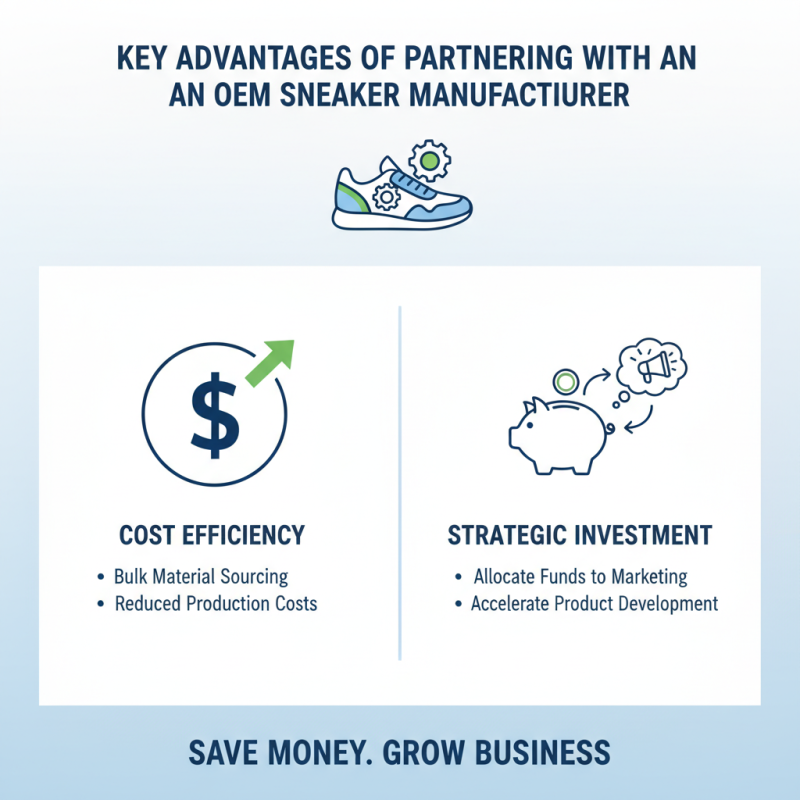
When considering sneaker production, partnering with an OEM manufacturer offers unique advantages. One significant benefit is cost efficiency. OEMs often source materials in bulk, which can lead to savings. This allows businesses to allocate funds elsewhere, such as marketing or product development.
Another key advantage is expertise in design and manufacturing. OEM sneaker manufacturers bring years of experience to the table. They understand market trends and customer preferences. This expertise ensures that your products are not only high-quality but also competitive. Collaborating with an OEM can also expedite the production process. Faster turnarounds can give your brand a vital edge in a rapidly changing market.
However, working with an OEM isn't without challenges. Communication gaps can lead to misunderstandings about your vision. It's essential to maintain open lines of dialogue throughout the production process. Ensuring quality control is another area that requires attention. While OEMs may provide high-quality products, regular oversight is crucial. Being involved in each step can help mitigate potential issues and improve final results.
Factors to Consider When Selecting an OEM Manufacturer
When selecting an OEM sneaker manufacturer, several factors demand attention. Quality control is critical. A study by the Footwear Distributors and Retailers of America reported that 35% of consumers prioritize quality over price. Choosing a manufacturer with robust quality checks can prevent costly errors and returns. Visit their facilities if possible. You will gain insights into their production methods and standards.
Another important consideration is communication and collaboration. A 2022 survey indicated that 67% of businesses struggle with manufacturing communication. Effective communication can streamline the production process and enhance product development. It is wise to evaluate how responsive and transparent a manufacturer is during initial discussions.
Lastly, consider the manufacturer's ability to scale production. Market trends shift rapidly. According to Statista, the global sneaker market is projected to reach $102.8 billion by 2025. A manufacturer that can adapt to changing demands can help your business stay competitive. Reflect on their past performance. Look for case studies or testimonials that showcase similar projects. Balancing price and capabilities often requires careful assessment of these aspects.
Why Choose an OEM Sneaker Manufacturer for Your Business? - Factors to Consider When Selecting an OEM Manufacturer
| Factor |
Description |
Importance |
Considerations |
| Experience |
Years of expertise in sneaker manufacturing and design. |
High |
Look for manufacturers with a proven track record. |
| Quality Control |
Standards and processes in place to ensure product quality. |
Critical |
Inquire about their quality assurance methods. |
| Production Capacity |
Ability to meet large orders within a specified timeline. |
Essential |
Evaluate their manufacturing facilities and workforce. |
| OEM Services |
Flexibility in creating customized designs and specifications. |
High |
Confirm if they offer tailored solutions for your needs. |
| Cost Efficiency |
Competitive pricing without compromising on quality. |
Important |
Obtain detailed quotes and assess overall value. |
| Communication |
Efficient interaction throughout the production process. |
Very Important |
Assess their responsiveness and language capabilities. |
Quality Control Standards in OEM Sneaker Production
When considering an OEM sneaker manufacturer, quality control standards play a crucial role. These standards ensure that each sneaker produced meets specific criteria. An effective quality control process involves several stages, from material selection to final inspection. Manufacturers often use advanced technologies for testing. This guarantees durability and comfort in the final product.
Monitoring production closely is essential. Mistakes can happen, and it’s vital to identify them early. Some manufacturers may overlook small defects, which can lead to larger issues later. Regular audits and feedback loops can help maintain quality. Open communication between manufacturers and businesses can also enhance production processes.
Choosing an OEM sneaker manufacturer with strong quality control standards can set your brand apart. Investing in reliable processes minimizes risks and builds customer trust. However, it’s important to constantly evaluate these measures. A commitment to improvement can foster long-term success in a competitive market.
Exploring Cost-Effectiveness: OEM vs. In-House Production
Choosing an OEM sneaker manufacturer can significantly impact your business. Cost-effectiveness is a primary reason. A recent report from Grand View Research indicates that over 60% of brands prefer OEM production to reduce overhead costs. With in-house manufacturing, expenses can quickly accumulate. Equipment, staff salaries, and facility maintenance add financial burdens.
In contrast, OEMs can leverage economies of scale. They produce large quantities, driving down the per-unit cost. Industry data reveals that companies utilizing OEM partners can save up to 30% in production costs. However, this approach requires reliance on the manufacturer’s expertise. It can also lead to quality inconsistencies if not managed well.
Communication and supply chain logistics pose challenges too. There may be delays or misunderstandings that can disrupt timelines. Companies need to build a strong partnership with OEMs, emphasizing quality control. This reliance might feel risky at times. Yet, when done correctly, it can foster innovation and efficiency. Properly assessing your needs and expectations is crucial.