Shose expert

15 Years Manufacturing Experience
DSC00533

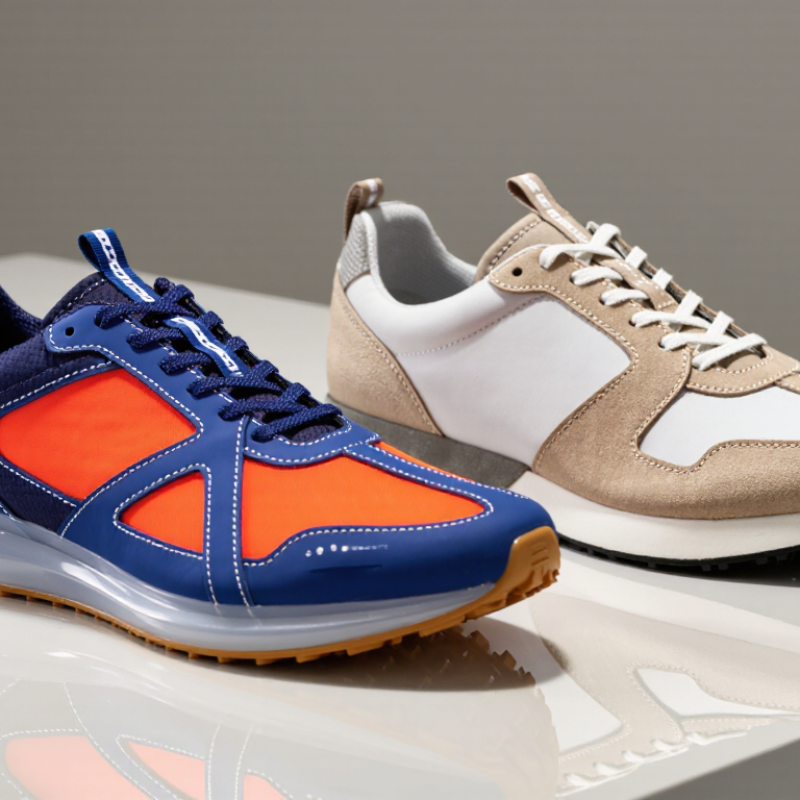
What Are the 2026 Best Custom Made Sneakers?

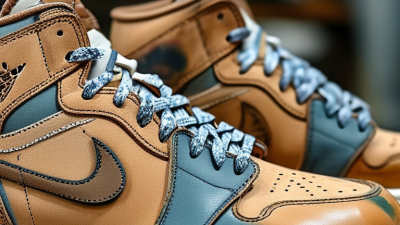
Choosing the best Custom Made Sneakers in 2026 requires more than noticing bold colors or limited designs. A strong pair should combine personal identity, reliable construction, comfort, and responsible production. The upper should feel flexible, while the sole should provide steady support during ordinary walking. Stitching must remain clean around the toe box and heel. Small details matter.

Custom sneaker artist Mache has said, “Every pair I do has a story behind it.” His perspective captures the value of meaningful customization. The best designs should reflect the wearer’s memories, interests, or daily style without sacrificing practical performance. In 2026, buyers should also examine material quality, sizing methods, production transparency, and aftercare options. A beautiful sneaker can still disappoint if the fit feels narrow after one hour.

This guide compares leading Custom Made Sneakers through craftsmanship, design originality, comfort, durability, and customer experience. It also considers whether brands explain their materials and delivery expectations clearly. No ranking can remove personal taste. Some striking pairs may age quickly, while quieter designs may become everyday favorites. That tension deserves attention.

The discussion is not about finding one perfect sneaker. It is about identifying the right balance between artistic expression and dependable wear. Expect useful comparisons, practical observations, and a few honest limitations. Even excellent custom work can contain flaws. That is part of judging it fairly.
What Are the 2026 Best Custom Made Sneakers?

What Defines the Best Custom Made Sneakers in 2026

The best custom made sneakers in 2026 are defined by fit, construction, and honest personalization. A striking colorway means little if the heel slips after ten minutes. Experienced makers now use foot measurements, pressure mapping, and detailed consultations to improve comfort. Still, digital tools are not perfect. A scan may miss swelling, movement, or differences between your feet. A skilled fitter should review the data rather than accept it blindly.

Materials also matter. Breathable uppers, supportive midsoles, and durable rubber outsoles should match the wearer’s daily routine. Walking shoes need flexible cushioning, while frequent travelers may value lighter construction and easy cleaning. Custom details should serve function, not merely decoration. Strong stitching, balanced panel alignment, and replaceable components can reveal serious craftsmanship. Small variations may occur with handmade work. That can feel authentic, but uneven glue or weak seams should not be excused as character.

Tips: Wear the socks you normally use during fitting. Walk indoors before approving the final shape. Ask how materials age, how care affects color, and whether adjustments are possible. Keep the fitting notes and measurements for future orders. Be cautious when a seller promises perfect comfort immediately. Comfort sometimes needs refinement, and even careful professionals can get the first version slightly wrong. The most reliable process welcomes feedback, documents changes, and explains limitations clearly.
Key Materials, Technologies, and Design Features

What Are the 2026 Best Custom Made Sneakers?

Key Materials, Technologies, and Design Features

The best custom-made sneakers in 2026 start with materials suited to how you actually move. A breathable mesh upper helps on warm walks, while suede or tightly woven canvas can add structure. Recycled fibers may reduce reliance on new materials, but check the fabric’s weight and care instructions. Sustainable does not always mean durable. A reinforced toe and heel can help shoes handle daily scuffs. For the sole, flexible rubber offers grip on wet pavement, though very soft rubber may wear faster.

Technology matters when it solves a real fit problem. A foot scan can guide width and arch choices, but measurements are only a starting point. Try the shoes with your usual socks and check for pressure after a short walk. Removable insoles make small adjustments easier. A cushioned midsole can soften hard sidewalks; too much cushioning may feel unstable. I would not trust a comfort claim based on a screen alone.

Tips: Ask how the shoe can be repaired, and look for stitched or replaceable parts. Choose colors and panels you can wear often. Leave a thumb’s width at the toe, but make sure your heel does not slip. Custom details look good; fit comes first.

Top Custom Sneaker Styles for Different Needs

What Are the 2026 Best Custom Made Sneakers?

The best custom sneakers depend on the wearer’s daily needs, not just visual appeal. For commuting, choose lightweight mesh, cushioned midsoles, and reflective details. A wide toe box can reduce pressure during long walks. For gym training, select a stable base and firmer heel support. Running-inspired styles need different engineering. They should flex smoothly under the forefoot and manage repeated impact.

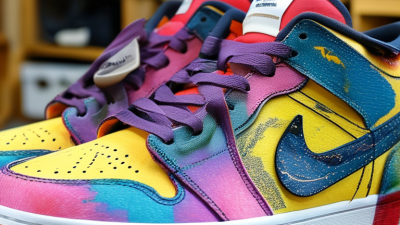
Personalized lifestyle sneakers suit buyers who value color, initials, or unusual panel designs. However, decoration should not weaken stitching or create hard edges. The Grand View Research footwear report identifies comfort, product personalization, and online purchasing as important market drivers. Its figures vary by category, though. Custom footwear data is still less consistent than general footwear data. That gap deserves attention.

Tips: Match the sneaker to your routine. Measure both feet at the end of the day. Check the return policy before ordering. The American Podiatric Medical Association recommends sufficient toe space and secure heel support. I would also request material samples when possible. Screen colors can mislead. A bright white panel may look cream in natural light. A small mistake can change the whole design. For 2026, practical customization seems stronger than decoration alone. Relaxed street styles, travel sneakers, and supportive everyday pairs may serve different needs better.

How to Compare Custom Sneaker Brands and Services

What Are the 2026 Best Custom Made Sneakers?

Comparing custom sneaker services requires more than judging attractive photos. Check the construction process, material specifications, sizing support, and repair options. A reliable service should explain whether artisans cut, stitch, print, or assemble each pair. Product pages should show real close-ups, not only polished computer images. The 2024 McKinsey State of Fashion report highlights stronger consumer interest in personal expression and product value. That makes customization appealing, but quality still matters more than novelty.

Measure service reliability through evidence. Read recent reviews for repeated comments about fit, glue marks, color accuracy, and delivery delays. Ask for a digital proof before production. Check whether the company offers half sizes, wide fittings, and a clear remake policy. The NRF and Appriss Retail 2024 report estimated US retail returns at 14.5% of sales in 2023. Custom orders may have stricter return rules, so read every condition carefully. No scoring system is perfect. I would give fit support more weight than social-media popularity.

Tips: Compare three services using the same checklist. Record material type, production time, price, warranty, and return terms. Request sole and lining details. Confirm measurements twice. Avoid vague claims like “premium quality.” A lower price can be reasonable, but unexplained discounts deserve questions. Slight imperfections may reflect handwork, yet uneven stitching or weak edges should not be accepted as craftsmanship.

What Are the 2026 Best Custom Made Sneakers?

How to Compare Custom Sneaker Brands and Services

The chart uses a 100-point comparison framework based on the factors buyers can verify before ordering: design flexibility, fit customization, material transparency, production speed, price clarity, and after-sales support. Higher scores indicate greater importance when evaluating a custom sneaker service; the figures are not ratings for any specific company or brand.

Customization Process, Pricing, and Care Considerations

Custom-made sneakers begin with a conversation about fit, use, and appearance. A maker may ask about foot length, width, arch height, and the socks you usually wear. Measurements taken while standing can differ from those taken seated. Small details matter. Bring an older pair if its pressure points show where your feet need more room. Choose materials and colors, then review a sketch or sample before production. Ask how many fitting changes are included and how long each stage may take. A careful process still cannot guarantee a perfect first fit; feet can swell during the day.

Pricing depends on materials, construction, design complexity, and adjustment work. Request an itemized estimate that separates the base price, optional details, shipping, and alteration fees. A low quote may leave out useful fitting support. Confirm the payment schedule and what happens if the finished pair feels tight. Once delivered, wear the sneakers indoors for short periods before longer walks. Check the heel, toe box, and seams for rubbing. Clean dirt with a soft brush, and use a damp cloth only when the material allows it. Let them air-dry away from direct heat. Care instructions vary by fabric, so ask the maker before applying sprays or conditioners. I would not assume a custom pair needs no break-in; that assumption can be uncomfortable.

What Are the 2026 Best Custom Made Sneakers? - Customization Process, Pricing, and Care Considerations

A practical comparison of custom sneaker options, typical ordering steps, indicative costs, and care needs. Prices are approximate USD ranges and vary by maker, materials, construction, and location.

Custom Option What Can Be Customized Typical Process Indicative Price Typical Lead Time Care Considerations Best For
Personalized existing sneakers Color accents, graphics, initials, laces, and selected surface details on a ready-made shoe. Choose a base shoe, submit design choices, approve a mock-up, then the artist applies the requested changes. $100–$400, depending on the base shoe and amount of handwork. About 1–4 weeks; shipping time may be additional. Follow the base shoe’s cleaning guidance. Avoid soaking painted areas; use a soft brush and mild cleaner. Buyers who want a distinctive look without commissioning a fully new shoe.
Made-to-order leather sneakers Leather type, color, lining, sole color, stitching, and sometimes fit or width options. Select a pattern and materials, confirm size or measurements, and review specifications before production. $250–$700 for many small-batch or made-to-order offerings. About 4–10 weeks, depending on production capacity and material availability. Use a suitable leather conditioner sparingly. Keep leather dry and allow it to air-dry if damp. Those seeking material and color choices with a more structured ordering process.
Bespoke, individually fitted sneakers Last shape, width, upper pattern, materials, construction details, and fit adjustments. Usually includes a consultation, foot measurements, design approval, and sometimes a fitting or trial pair before final making. $500–$1,500 or more; extensive handwork and multiple fittings can increase the cost. About 8–20 weeks or longer, especially when fittings are required. Care depends on the chosen upper and sole materials. Ask the maker for product-specific cleaning and repair instructions. Customers prioritizing individualized fit, construction, and design over speed or low cost.
Custom knit or performance-inspired sneakers Selected colors, upper patterns, fit options, and limited material or component choices. Choose available configurations, verify size guidance, and place a production order; options may be limited by the manufacturing system. $150–$500, depending on whether the shoe is customized from a standard base or made to order. About 2–8 weeks, depending on the maker and order volume. Clean knit uppers gently with a soft brush and mild soap. Avoid high heat, which can affect some textiles and adhesives. People who want a lightweight feel and a simpler configuration process.
Reconstructed or upcycled sneakers Reused textiles, leather panels, color blocking, visible stitching, and one-of-a-kind design details. The maker sources or receives materials, develops a design, and assembles or alters the shoe; exact matching may not be possible. $200–$800 or more, depending on sourcing, labor, and the complexity of reconstruction. About 3–12 weeks; sourcing unusual materials may extend the wait. Materials may react differently to water and cleaners. Spot-test discreetly and avoid aggressive scrubbing. Buyers interested in distinctive materials and reuse, and comfortable with natural variation.
Before ordering Confirm size, width, material specifications, design limits, and whether changes are possible after approval. Request a written quote, production timeline, cancellation terms, and clear photos or a design mock-up. Ask whether the quote includes the base shoe, design work, taxes, shipping, and any fitting fees. Get an estimated dispatch date and ask how delays will be communicated. Check whether the maker offers repairs, replacement parts, or care guidance for the selected materials. Anyone comparing custom options and setting realistic expectations before paying.

Note: Custom footwear is usually made to order, so return and exchange policies may differ from those for standard retail shoes. Confirm the seller’s written policy and fit process before placing an order.