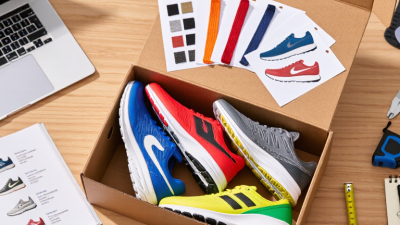
Choosing a Running Shoes Manufacturer is not just a sourcing decision. It shapes how a shoe fits, performs, and holds up after miles on wet pavement or a dusty trail. The right partner can help turn a design brief into a tested product, with clear choices around foam, outsole grip, upper materials, and sizing. Small details matter. A heel that slips during a sample fitting can become a costly problem later.
Biomechanics researcher Dr. Benno Nigg’s work on the “comfort filter” offers a useful perspective. In paraphrase: “A shoe should work for the runner wearing it, not just look right on paper.” That principle can guide conversations with manufacturers about fit trials, wear testing, and feedback from runners with different foot shapes. It is not a promise that one shoe suits everyone. Real testing takes time.
A capable manufacturer should explain its process, share realistic production timelines, and make quality checks visible. Ask how it evaluates sample consistency and handles material changes between development and production. Request evidence, not reassuring language alone. A polished sample can still hide a weak seam or an outsole that wears too quickly. And even a strong factory cannot rescue an unclear brief. This guide explores the practical reasons to work with a Running Shoes Manufacturer, the questions worth asking, and the trade-offs buyers should examine before committing. Some choices will remain uncertain. That is worth admitting.
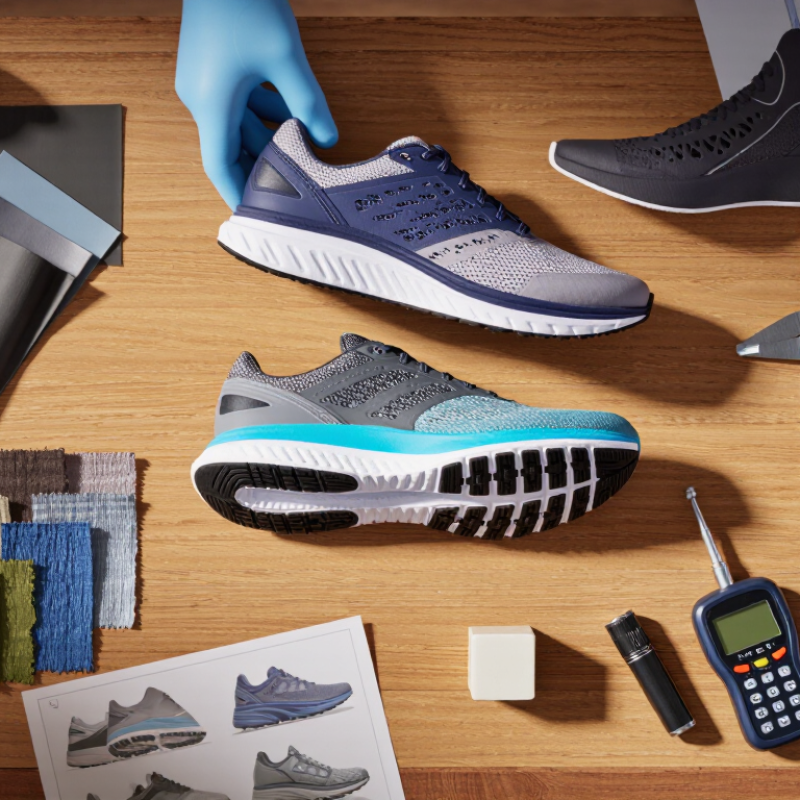
A running shoes manufacturer does more than stitch an upper to a sole. It translates a performance brief into patterns, material choices, tooling, prototypes, and repeatable production steps. An engineer may adjust foam density, heel geometry, or rubber placement after runners report slipping on wet pavement. The factory also checks bonding strength, flexibility, sizing consistency, and defects across production runs. Small details matter. A few millimetres can change how a shoe feels during a long run. Fit trials and wear tests help catch problems before orders ship, though results depend on who tests and how consistently they run.
The role also includes sourcing and production planning. The World Footwear Yearbook 2024 estimated global footwear output at 22.4 billion pairs in 2023, with Asia accounting for about 87% of production. This figure covers all footwear, not running shoes, but it shows the scale and geographic concentration of the supply base. A capable manufacturer should explain lead times, minimum order quantities, material substitutions, and inspection criteria clearly. Ask for records linking approved samples to bulk production. A polished sample can still mislead; one size and one runner rarely reveal every fit issue. That limitation deserves attention.
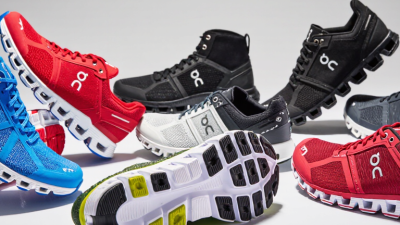
A running shoe begins as a problem to solve: perhaps the heel feels unstable, or the forefoot needs more room. A manufacturer translates that brief into a technical package with measurements, materials, and construction details. The upper pattern is cut and stitched; the midsole shape is molded; the outsole is attached and checked for alignment. Small changes matter. A few millimeters can alter the fit.
Prototypes make the design tangible. A developer may adjust foam density, flex grooves, or heel-counter stiffness, then send the shoe for wear testing. Testers run on different surfaces and report rubbing, pressure, and wear. Not every issue appears in a lab. A shoe can pass a basic flex check and still feel awkward after several kilometers. That gap is worth taking seriously.
Manufacturers also bring production knowledge to the process. The World Footwear Yearbook 2024 reports that global footwear production reached about 22.4 billion pairs in 2023, with Asia accounting for roughly 87 percent. Those figures describe all footwear, not running shoes, but they show the scale of the supply network behind material sourcing and factory capacity. A capable partner can flag whether a proposed mesh, bonding method, or outsole compound is practical at volume. The design may still need compromises. That is part of making it real.
Manufacturers turn a design brief into a finished shoe through connected stages—from digital design and material selection to prototyping, testing, and production. The bars count the core activities listed for each stage in this workflow; they are not industry benchmarks.
A running shoe can look balanced on a screen and still feel wrong after several miles. That gap is where manufacturing expertise matters. Skilled teams turn foot measurements, wear-test notes, and movement goals into patterns, lasts, and material choices. A few millimeters in heel width or toe-box volume can affect pressure and slipping, so samples need to be tested across sizes. Fit is personal. No single last suits every runner.
Performance also depends on how materials and components work together. A midsole may feel soft in a hand sample but respond differently once bonded into a finished shoe. Manufacturers can check cushioning, flexibility, outsole grip, and construction consistency through repeatable tests. They also inspect practical details: uneven stitching, loose bonding, or a lining that bunches near the heel. These checks support dependable quality, though they cannot make every pair feel perfect to every foot. A prototype may solve one fit issue and reveal another. That is not a failure; it is useful evidence for the next adjustment.
A running shoe combines several parts, from the upper and lining to the midsole and outsole. A manufacturer helps coordinate these components, production steps, and delivery dates. They can review a size range, estimate material needs, and schedule cutting, stitching, assembly, and inspection. That coordination matters. If a mesh shipment arrives late, the factory may need to adjust its line plan rather than leave workers and equipment waiting.
Clear production records make decisions easier. A team can track sample approvals, material orders, quantities by size, and inspection results. For example, checking a pilot run may reveal that one size has uneven stitching or a sole needs better bonding. Fixing the issue before a larger run can reduce rework. Still, estimates are estimates. Material availability, production capacity, and shipping times can change, so realistic lead times and regular updates are more useful than confident promises.
A manufacturer can also help plan inventory against expected demand. It may suggest splitting a large order into scheduled batches, which can limit storage pressure and make replenishment more manageable. The buyer still needs to share accurate forecasts and approve specifications on time. A weak forecast can leave too much stock in slower-moving sizes. Production planning is not perfect; review sales patterns, open orders, and factory progress together before confirming the next run.
Choosing a running-shoe manufacturer starts with evidence, not a convincing sample. Ask how its team turns your last, midsole compound, and upper pattern into repeatable production. The World Footwear Yearbook 2024 estimates global footwear output at 22.4 billion pairs in 2023, down 6% year over year. That scale makes capacity checks essential: request monthly line capacity, minimum order quantities, and recent on-time delivery records. Small details matter.
Inspect quality controls at each stage, not only the final pair. Ask for written tolerances on weight, bond strength, flex testing, and sizing, plus records from a recent production run. If possible, compare a production pair with the approved sample using the same measurements. A clean showroom pair can hide variation between shifts. Request a factory walk-through or live video showing material checks, stitching, lasting, bonding, and final inspection.
Material traceability and communication deserve equal scrutiny. Ask who supplies the mesh, foam, rubber, and adhesives, and whether substitutions require written approval. For sustainability claims, request specific evidence, such as material certificates or measured scrap rates. Broad promises are weak proof. The first quote may omit tooling, testing, or packaging costs. A short pilot order cannot reveal every seasonal bottleneck. Set defect thresholds, corrective-action timelines, and mold ownership in writing before scaling.