Top 10 Private Label Sneakers to Source in China?
In today's competitive market, sourcing Private Label Sneakers from China has become a game-changer for many businesses. These sneakers offer a unique blend of style and affordability, allowing brands to customize designs that resonate with their target consumers. The boom in e-commerce and rising consumer demand for trendy footwear make Private Label Sneakers an attractive option.
It’s essential to partner with reliable manufacturers to ensure quality. While the Chinese market is vast, not all suppliers can meet your expectations. Some companies may sacrifice quality for lower prices, leading to potential customer dissatisfaction. The balance between cost and quality is crucial. Researching potential suppliers thoroughly can help mitigate risks associated with poor craftsmanship.
Choosing the right Private Label Sneakers requires careful consideration. Look for manufacturers with a reputation for excellent service and quality assurance. Communication is vital; understanding their capabilities will help set clear expectations. Developing a successful partnership can lead to innovative designs and ultimately, satisfied customers. Reflecting on your sourcing strategy can reveal opportunities for improvement and growth.
Defining Private Label Sneakers: An Overview of the Concept
Private label sneakers have gained significant traction in the retail industry, representing a strategic way for brands to offer exclusive products. The concept refers to footwear that is manufactured by one company but sold under another company's brand name. This approach not only helps companies enhance their brand identity but also allows them to control their pricing strategies.
According to recent industry reports, the global private label footwear market is projected to grow at a CAGR of 7.5% from 2022 to 2028. This growth indicates a strong consumer preference for unique products that align with personal styles. Sourcing in China offers significant advantages due to lower production costs and a vast manufacturing network. However, there are challenges in quality control and branding consistency that need attention.
Many brands face issues like inconsistent product quality and supply chain delays. These can hinder customer satisfaction and brand loyalty. The importance of thorough market research and supplier reliability cannot be understated. In an era where trends change rapidly, staying agile and responsive is crucial. Brands must adopt a proactive approach to address potential pitfalls and ensure quality meets consumer expectations.
Top 10 Private Label Sneakers to Source in China
| Model |
Material |
Price (USD) |
Minimum Order Quantity |
Customization Options |
| Model A |
Mesh/Fabric |
50 |
100 pairs |
Color, Logo |
| Model B |
Synthetic Leather |
60 |
200 pairs |
Color, Design, Logo |
| Model C |
Canvas |
40 |
150 pairs |
Logo |
| Model D |
Rubber |
70 |
100 pairs |
Color, Logo, Pattern |
| Model E |
Nylon |
55 |
250 pairs |
Size, Color |
| Model F |
Mesh/Suede |
65 |
180 pairs |
Color, Logo, Material |
| Model G |
Fabric |
45 |
220 pairs |
Personal Logo |
| Model H |
Leather |
80 |
300 pairs |
Customization Available |
| Model I |
Mixed Materials |
75 |
120 pairs |
Design, Color |
| Model J |
Cotton |
50 |
100 pairs |
Logo, Custom Colors |
Key Factors to Consider When Sourcing Sneakers in China
When sourcing sneakers in China, several key factors deserve careful consideration.
Quality control remains paramount. A recent report from
the China Footwear Manufacturing Association indicates that about 70% of sneaker defects arise from the production process.
Factories should undergo rigorous audits. Inspecting sample batches before large orders is essential.
Another aspect to examine is material sourcing. China produces a vast array of materials.
However, not all are suitable for durable sneakers. It’s critical to work with suppliers who provide
high-grade materials. The Global Footwear Market report also emphasizes
that eco-friendly materials are steadily gaining popularity, reflecting market trends.
Pricing is a double-edged sword. While sourcing in China can lead to lower manufacturing costs, hidden fees can inflate the final price.
Understanding shipping, customs, and tariffs is essential. Ensure you calculate all potential costs to avoid unpleasant surprises.
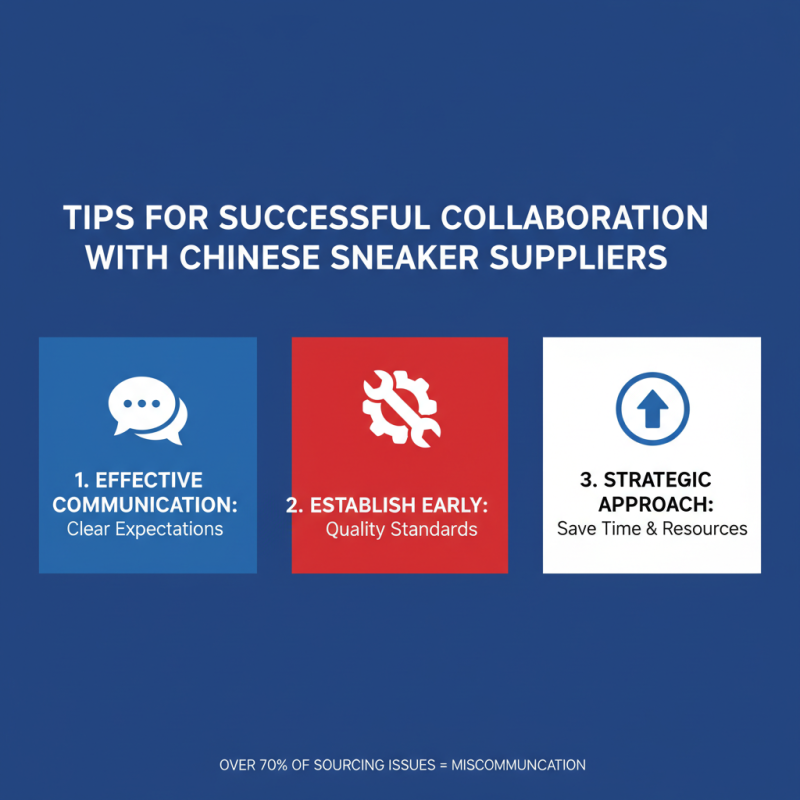
The industry insight reveals that transparent communication with suppliers often mitigates these risks. Regularly monitoring the market for fluctuations
in material costs can also help maintain healthier profit margins.
Top Manufacturers for Private Label Sneakers in China
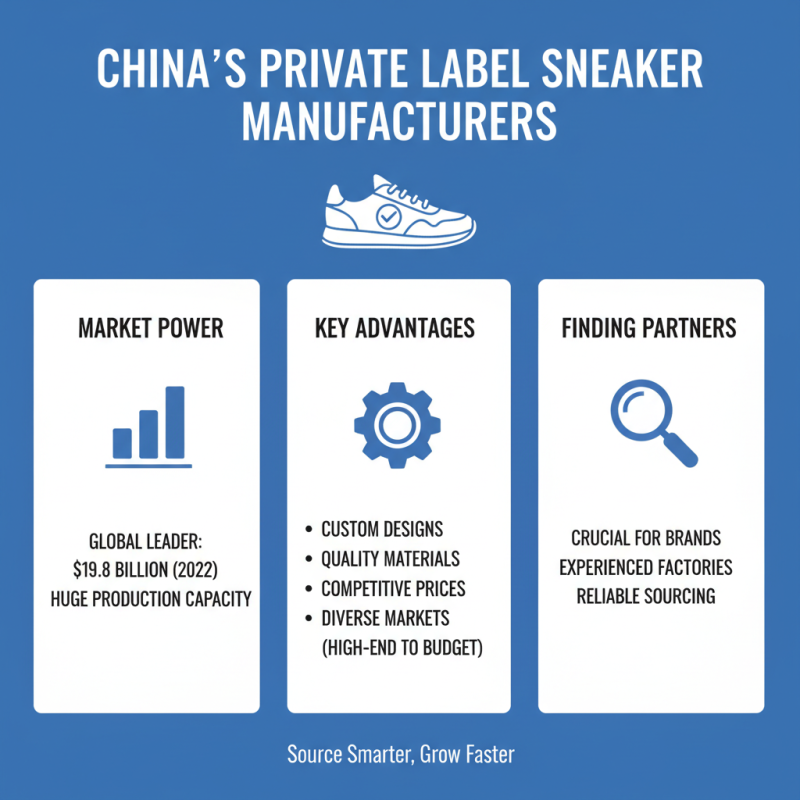
When sourcing private label sneakers in China, identifying top manufacturers is crucial. The country is a global leader in sneaker production, with a market size valued at around $19.8 billion in 2022, according to Statista. Several manufacturers in China specialize in creating custom designs, offering quality at competitive prices. They cater to diverse markets, from high-end fashion to budget-friendly options.
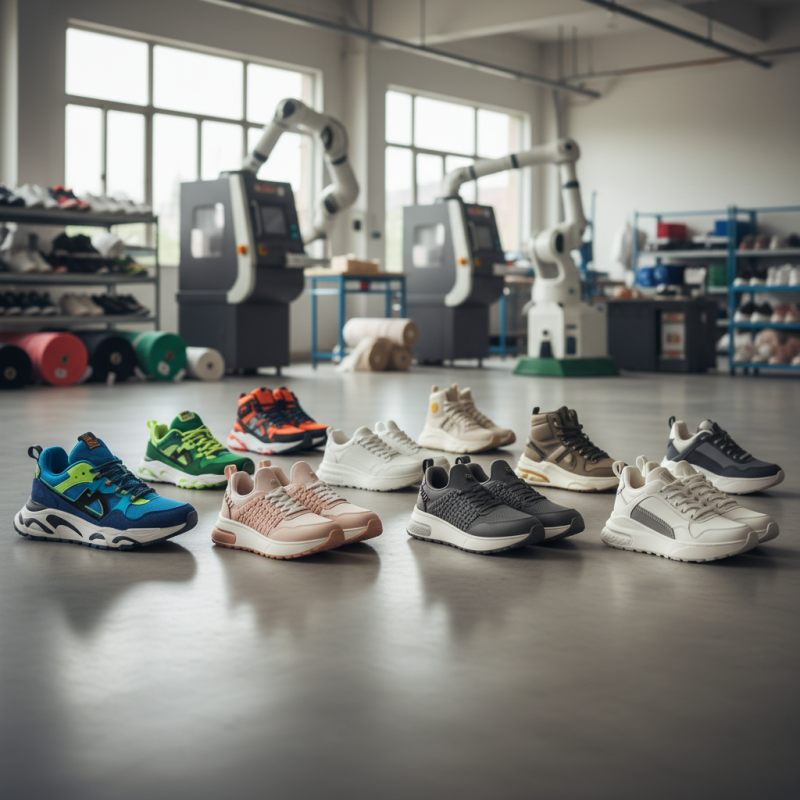
Many manufacturers adopt advanced technologies in their production processes. For example, numerous factories utilize automated machinery and AI for better precision. Yet, managing quality control can be challenging. While some companies promise efficiency, not all uphold the same standards. It's essential to conduct thorough checks to ensure the reliability of your chosen partner.
Reports indicate that around 70% of sneakers sold globally are produced in Asia, with a significant portion from China. This indicates a wealth of resources and talent available for private label brands. However, businesses must remain vigilant. Issues such as labor practices and environmental standards can vary significantly between manufacturers. Due diligence is necessary for sustainable sourcing success in this competitive market.
Popular Trends in Private Label Sneakers for Different Markets
In the world of private label sneakers, trends fluctuate based on consumer preferences. Retro styles are making a comeback, captivating younger demographics. Bright colors and bold designs attract attention and express individuality. These sneakers often feature unique materials, from breathable fabrics to eco-friendly options. However, not all styles resonate equally across markets, requiring careful research.
Many consumers now prioritize sustainability. Brands must consider biodegradable materials and ethical production processes. There’s a significant shift towards minimalistic designs, especially in Western markets. Clean lines and subtle hues appeal to consumers seeking versatility. But these choices come with challenges. Balancing aesthetics with practicality is often tricky and subjective.
Additionally, cultural differences impact design preferences. In Asia, vibrant patterns and intricate details can be popular. Yet, some consumers may find them overwhelming. Feedback is essential. Testing designs on diverse audiences helps refine offerings. Companies should remain adaptable and open to change as trends evolve. This flexibility can lead to innovative solutions for sourcing private label sneakers.
Top 10 Private Label Sneakers Trends