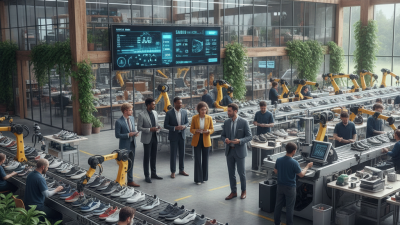
Top Private Label Sneakers from China for Global Buyers?
The demand for Private Label Sneakers has surged globally, particularly among buyers seeking affordable yet stylish options. China has emerged as a significant player in this market, providing diverse designs that cater to various consumer preferences. Many global buyers are turning to Chinese manufacturers for these products, drawn by competitive pricing and innovative styles.
While the market is full of options, navigating it can be challenging. Buyers must ensure quality and ethical practices when selecting suppliers. The risk of subpar products looms large, and due diligence is essential. Some companies may overlook quality control, leading to unsatisfactory results. Buyers should focus on building relationships with reputable manufacturers to avoid potential pitfalls.
In the booming world of Private Label Sneakers, knowledge and research are invaluable. Understanding market trends and consumer needs can make a significant difference. By learning from others’ experiences and remaining adaptable, buyers can enhance their chances of success in a fluctuating market.
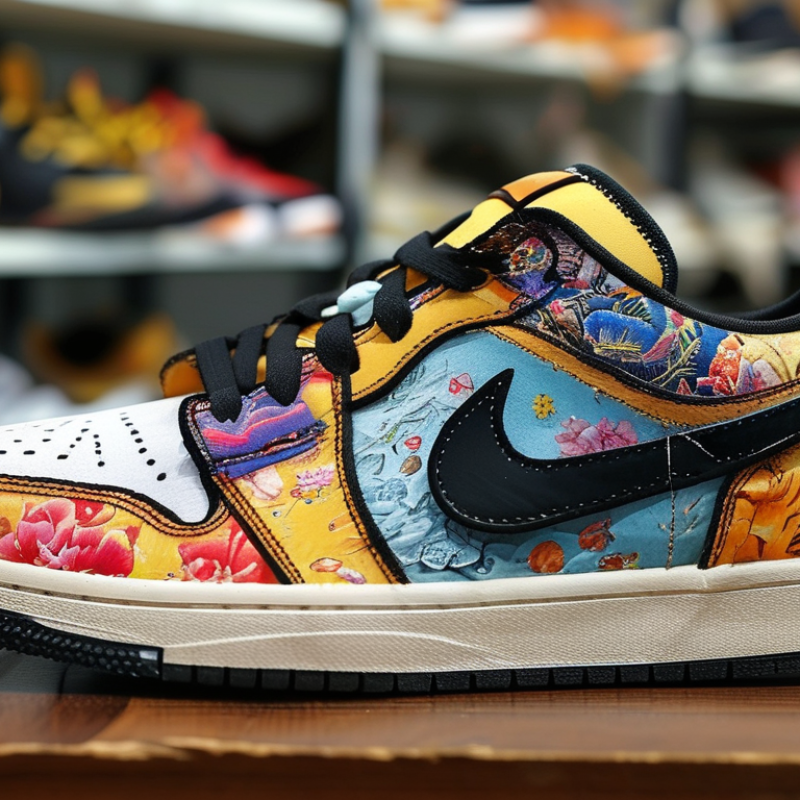
Overview of Private Label Sneakers in the Chinese Market
The Chinese market for private label sneakers has evolved significantly. Many manufacturers offer customizable options, catering to various aesthetics and demographics. This has made them appealing to global buyers looking for unique products. Low production costs and a skilled workforce enhance their attractiveness. However, quality control can be inconsistent. Buyers must research suppliers thoroughly to ensure reliability.
Understanding local trends is crucial. Chinese consumers are increasingly demanding, which pushes brands to innovate continuously. Features such as eco-friendly materials and advanced cushioning systems are becoming popular. Yet, the variety can be overwhelming. Buyers may find it challenging to identify which designs resonate best in international markets.
While the opportunities are vast, so are the challenges. The competition is fierce, with many players entering the market. It is essential to build strong relationships with suppliers and engage in regular communication. This will help in navigating potential pitfalls. Buyers should also stay aware of evolving regulations to maintain compliance. Engaging experts can provide valuable insights into market dynamics.
Top Private Label Sneakers from China for Global Buyers
This chart illustrates key metrics of the private label sneaker market in China, including sales volume, market share, and growth rate. These metrics provide insights into the competitiveness and appeal of Chinese private label sneakers in the global market.
Factors Driving the Popularity of Private Label Sneakers
The rising demand for private label sneakers is reshaping the footwear industry. According to a 2022 report by Grand View Research, the global athletic footwear market is expected to reach USD 208 billion by 2028. A significant portion of this growth is attributed to private label brands, especially those sourced from China. These sneakers attract buyers due to their affordability and the ability to customize designs tailored to niche markets.
Several factors drive this surge in popularity. First, advancements in manufacturing technology allow for lower production costs without sacrificing quality. Buyers can access trendy designs quickly. Second, private label sneakers offer unique branding opportunities. Retailers can create a distinctive identity through exclusive styles. In 2021, Statista noted that private label market share in footwear hit about 18%. This trend indicates a growing acceptance among consumers.
However, challenges persist within the private label sneaker market. Brands must navigate complex supply chains and fierce competition. Not all produced designs meet consumer expectations. Companies often face issues like inconsistent quality and shipment delays. Addressing these pitfalls is crucial for sustained growth in this innovative segment of the footwear market.
Top China-Based Manufacturers for Global Buyers
China has become a powerhouse in the private label sneaker industry, catering to global buyers with diverse needs. According to industry reports, over 70% of imported footwear in the U.S. comes from China. This reflects the country's significant role in the global supply chain. Many manufacturers specialize in customizable designs, allowing buyers to create unique products that resonate with their target markets.
Manufacturers in China often invest in advanced technology. This enhances production efficiency and quality control. The country’s footwear manufacturing sector employs millions, making it a crucial economic driver. A study revealed that companies focusing on sustainable practices in production are gaining increased attention from global buyers. This shift highlights the importance of ethical production standards.
When sourcing sneakers, consider engaging directly with manufacturers. This allows for better negotiation on prices and terms. Effective communication can uncover hidden opportunities in design and materials. Keep in mind that quality assurance is key. Request samples before making bulk purchases. Understanding the production timeline helps manage expectations. Engaging with reliable manufacturers leads to long-term partnerships, which can significantly bolster your market presence.
Key Features of High-Quality Private Label Sneakers
The demand for private label sneakers has surged among global buyers. High-quality private label sneakers can offer unique features that set them apart. Key attributes include trendy designs, durable materials, and competitive pricing. According to a recent industry report, around 45% of consumers prioritize style when choosing footwear. This statistic reflects the importance of aesthetic appeal in the sneaker market.
Another significant feature is comfort. An estimated 60% of sneaker wearers seek comfort as a top priority. Quality cushioning and breathable materials enhance wearability. These aspects are essential for buyers looking to stock their shelves with products that customers will return to. Sustainability is also on the rise, with over 40% of shoppers willing to pay more for eco-friendly options. Buyers should consider sourcing sneakers made from recycled materials.
However, not all manufacturers provide the same quality assurance. Variations in production techniques can lead to inconsistencies. This highlights the need for buyers to conduct thorough inspections before committing to bulk orders. Assessing production standards and material sourcing practices is crucial to ensure the end product meets customer expectations. Ultimately, while the private label sneaker market offers exciting opportunities, careful evaluation is necessary to succeed.
Top Private Label Sneakers from China for Global Buyers
| Model Name |
Material |
Weight |
Size Range |
Customization Options |
| Sporty Runner |
Mesh and Rubber |
250g |
US 6-12 |
Logo, Color, Design |
| Classic High-top |
Canvas and Leather |
300g |
US 5-11 |
Logo, Color |
| Casual Loafer |
Synthetic Leather |
280g |
US 7-13 |
Logo, Material |
| Athletic Trainer |
Mesh and EVA |
260g |
US 6-11 |
Logo, Color, Design |
| Luxury Slip-on |
Nappa Leather |
320g |
US 8-14 |
Material, Color |
Tips for Sourcing Private Label Sneakers from China
Sourcing private label sneakers from China offers exciting opportunities for global buyers. To begin, identify your target market. Understand their preferences and trends. Research the styles that resonate with consumers. Familiarity with local tastes can help you create appealing designs.
Building relationships with suppliers is crucial. Visit factories if possible. This can foster trust and better communication. When seeking partners, prioritize those with a solid reputation. Look for companies with positive reviews and good customer service. This step can save time and resources.
Quality control is a common challenge. Always request samples before placing large orders. Inspect these samples thoroughly. A pair of sneakers may look great, but comfort and durability are key. Take time to evaluate materials and craftsmanship. This reflects your brand’s quality. Engaging in eco-friendly practices can also enhance your brand’s appeal. Consider suppliers who prioritize sustainability, as this trend grows among consumers.