Top 10 Tips to Choose the Best Sports Shoes Supplier?
Choosing the right Sports Shoes Supplier is crucial for retailers and athletes alike. According to industry expert Michael Thompson, "The right supplier can make or break your business." Selecting a reliable partner involves more than just price comparisons. Performance, innovation, and customer service play vital roles.
A good Sports Shoes Supplier should offer a diverse range of products. Quality is non-negotiable; subpar shoes can affect performance and lead to injuries. Retailers often overlook the importance of testing samples before committing to a purchase. This can lead to poor stock choices and dissatisfied customers.
Establishing a long-term relationship with suppliers is essential. Trust and communication are key. Yet, many businesses fail to engage their suppliers effectively. It’s a common mistake to prioritize short-term gains over sustainable partnerships. Suppliers are not just vendors; they should be seen as collaborators.

Researching Potential Sports Shoe Suppliers Thoroughly
When researching potential sports shoe suppliers, depth and thoroughness are crucial. According to recent industry reports, 70% of businesses find that a rigorous supplier evaluation significantly enhances product quality. Start with company backgrounds. Investigate their history, reputation, and years in the industry. Reviews can provide insight into past performance and reliability.
Next, focus on their production capabilities. A supplier's ability to scale and adapt to market demands matters. Some companies struggle with timely deliveries. Gathering testimonials from other clients can unveil this aspect. Also, consider quality assurance processes. A third-party certification can help ensure standards are met consistently.
Lastly, scrutinize their financial health. Suppliers with solid financial backing are likely to sustain production continuity. Look for warning signs like inconsistent pricing or frequent stock shortages. By examining these factors, you pave the way for a more reliable partnership in the sporting goods market.
Evaluating Supplier Reputation and Customer Reviews
When selecting a sports shoes supplier, evaluating their reputation and customer reviews is crucial. Reliable suppliers often have a solid online presence. According to a report by Statista, about 79% of consumers trust online reviews as much as personal recommendations. This statistic underscores the importance of reading authentic reviews before making a decision.
Explore different platforms where customers share their experiences. Websites dedicated to product reviews can be insightful. Look for patterns in the feedback. High ratings in comfort and durability can be indicators of a reputable supplier. However, beware of overwhelmingly positive comments that may seem scripted. A supplier with a mix of reviews can show authenticity.
Additionally, consider the supplier's engagement with feedback. Do they respond to negative comments? A proactive response indicates reliability. Research suggests that suppliers who address concerns often maintain higher customer loyalty. Strive to choose those who show commitment to improvement. It reflects their dedication to meeting customer needs.
Assessing Product Quality and Innovations in Shoe Technology
When selecting a sports shoes supplier, evaluating product quality is crucial. Numerous reports indicate that high-performance shoes can reduce injuries by 30% in athletes. Therefore, a supplier's commitment to using advanced materials and innovative designs is essential to ensuring durability and comfort.
Innovations in shoe technology play a significant role in performance enhancement. According to the Footwear Technology Institute, shoes with responsive cushioning and lightweight materials significantly improve athletes' speed and agility. However, not all innovations are beneficial. Some features may overpromise on performance while lacking in necessary support.
Sustainability is another vital consideration. A growing trend shows consumers leaning towards eco-friendly materials, with 65% preferring brands with sustainable practices. But it’s important to question the authenticity of these claims. Many suppliers may claim to offer eco-friendly options without substantial proof. Rigorously assessing a supplier's practices is essential for making an informed decision.
Understanding Pricing Strategies and Bulk Order Discounts
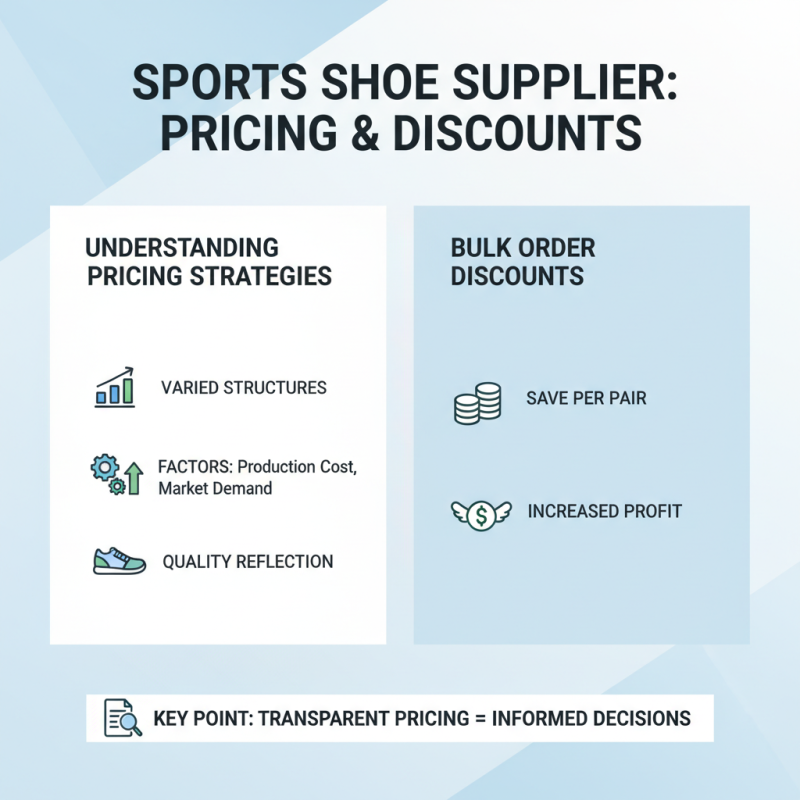
When selecting a sports shoes supplier, understanding pricing strategies is essential. Suppliers often have varied pricing structures, influenced by factors like production costs and market demand. Researching these aspects provides clarity on how pricing reflects quality. A reliable supplier should offer transparent pricing, allowing you to make informed decisions.
Bulk order discounts can significantly impact your bottom line. Many suppliers are open to negotiations on larger purchases. These discounts vary, so always inquire about minimum order quantities. Review their terms carefully. Discounts may come with stipulations that could affect your ordering schedule or delivery times.
Building a relationship with your supplier is crucial. Communicate openly about your needs and expectations. This can lead to better pricing and terms. Always be ready to adapt your strategy. Not every supplier will fit your requirements perfectly, so reflect on your experiences regularly. These considerations will guide you toward a more effective partnership.
Establishing Effective Communication and Support Channels
Effective communication with a sports shoes supplier is essential. It ensures clarity and understanding, fostering strong relationships. A recent report indicates that 78% of supply chain failures stem from poor communication. Building channels for feedback can enhance this relationship. Make it easy for both parties to express concerns or suggestions.
Tips for communication include regular check-ins. Schedule weekly updates to discuss production status and challenges. Use various channels like emails and phone calls to share quick updates. Another tip is to clarify expectations upfront. Define quality standards and delivery schedules together. This minimizes misunderstandings later.
Establishing support channels is equally important. Set up a dedicated contact person for queries. This provides quick access to assistance. Consider using project management tools for transparency. According to industry data, companies that streamline communication can improve delivery times by 25%. Be honest about issues. Accepting mistakes can lead to better solutions.