How to Start Your Own Private Label Sneakers Business in 2025
In recent years, the sneaker market has seen an incredible surge in demand, driven by the rise of e-commerce and a growing appetite for unique, personalized footwear. As consumers increasingly seek to express their individuality through fashion, the concept of Private Label Sneakers has emerged as a lucrative business opportunity for aspiring entrepreneurs. In 2025, entering this dynamic industry can offer significant potential, allowing you to create a distinct brand that resonates with your target audience.
Private Label Sneakers are products manufactured by a third party but branded under your own label, offering the flexibility to design and market shoes that align with your vision. This innovative approach not only minimizes the risks associated with traditional retail models but also allows for responsive adaptation to market trends and consumer preferences. As the demand for exclusive, high-quality sneakers continues to grow, understanding the essential steps to launching your own Private Label Sneakers business can pave the way for success.
This guide will delve into the crucial elements of starting your own Private Label Sneakers line, focusing on market research, design strategies, manufacturing partnerships, and effective marketing techniques. By harnessing the potential of this burgeoning sector, you can position yourself to thrive in the vibrant world of sneaker entrepreneurship.
Researching the Private Label Sneakers Market Trends for 2025
When exploring the private label sneakers market trends for 2025, it's crucial to recognize the rising demand for customization and personalization among consumers. More shoppers are seeking unique designs that reflect their individual styles rather than generic options. By tapping into this trend, entrepreneurs can create sneakers that resonate with specific target audiences. Conducting surveys and engaging with potential customers can provide insights into their preferences, allowing businesses to develop products that stand out in a competitive market.
Tips: Consider collaborating with local artists or designers to create exclusive sneaker designs. This partnership can lead to limited-edition releases that generate buzz and draw in consumers looking for something different.
Moreover, sustainability is becoming increasingly important to consumers. As more people prioritize eco-friendly products, offering sneakers made from recycled materials or employing ethical manufacturing processes can enhance brand appeal. This commitment to sustainability not only attracts eco-conscious buyers but can also contribute to a positive brand image.
Tips: Research innovations in sustainable materials and production techniques to keep your product line ahead of market expectations. Participating in sustainability initiatives can further strengthen your brand's positioning in the market.
Identifying Your Target Audience and Niche in Sneaker Business
Identifying your target audience and niche is a crucial step in starting your own private label sneakers business. In the competitive world of sneaker retail, understanding who your customers are will help you tailor your product offerings, marketing strategies, and overall brand message. Begin by conducting research to determine the demographics and preferences of potential sneaker buyers. Consider factors such as age, lifestyle, fashion trends, and purchasing power. Are they active individuals seeking performance footwear, or trendsetters looking for unique designs? Narrowing down your audience will allow you to create a product line that resonates with them.
Once you’ve established your target audience, the next step is to identify a niche within the sneaker market. This could involve specializing in eco-friendly materials, custom designs, or targeting specific subcultures such as streetwear enthusiasts or athletes. By honing in on a niche, you can position your brand as an authority in that area, making it easier to attract loyal customers. It’s also beneficial to analyze existing competitors within that niche to understand their strengths and weaknesses. This knowledge will help you develop a unique selling proposition that highlights what sets your sneakers apart, ultimately driving customer interest and engagement.
Developing a Unique Brand Identity for Your Private Label Sneakers
Creating a strong brand identity is crucial in the competitive market of private label sneakers. To start, define your target audience and understand their preferences. This involves extensive market research to identify trends, styles, and values that resonate with potential customers. By aligning your design and marketing strategies with the insights gathered, you can create a unique identity that sets your sneakers apart from the competition. Consider elements such as color schemes, logos, and packaging that reflect your brand's personality and appeal to your customers’ lifestyle.
Next, storytelling plays a vital role in establishing your brand identity. Craft a narrative around your brand that communicates its mission, values, and what makes it unique. Whether it's sustainability, innovation, or a cultural connection, your story should engage consumers emotionally and encourage them to become loyal customers. Utilize social media platforms and visual content to share this narrative, allowing your audience to connect with your brand on a deeper level. By fostering this relationship, you build credibility and trust, essential components for long-term success in the private label sneaker business.
| Attribute |
Description |
Example |
| Target Audience |
Demographic characteristics of potential customers. |
Teenagers and young adults aged 16-30. |
| Design Inspiration |
Sources for design styles and color schemes. |
Streetwear, retro aesthetics, and urban culture. |
| Manufacturing Cost |
Estimated cost of producing a pair of sneakers. |
$25 - $45 per pair depending on materials. |
| Retail Price |
Suggested consumer price for the sneakers. |
$80 - $150 per pair. |
| Marketing Strategy |
Methods to promote the brand and products. |
Social media campaigns and influencer partnerships. |
| Brand Identity |
Elements that define the brand's image. |
Logo, color palette, and unique tagline. |
| Sales Channels |
Platforms where products will be sold. |
E-commerce website, marketplaces, and pop-up shops. |
| Distribution Strategy |
Plan for how products will reach customers. |
Direct shipping to consumers and retail partnerships. |
Sourcing Quality Materials and Manufacturers for Production
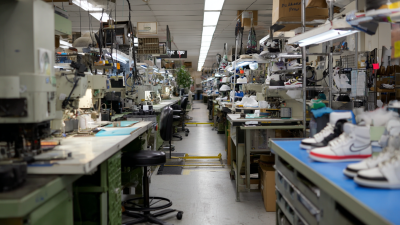
When starting your own private label sneakers business in 2025, one of the most critical aspects is sourcing quality materials and manufacturers. The foundation of your brand will heavily depend on the quality of the sneakers you produce. Begin by conducting thorough research to identify potential manufacturers who specialize in sneaker production. Look for suppliers with a proven track record and positive reviews from their previous clients. Platforms like trade shows and online marketplaces can be a great way to discover reputable sources.
Tips: Establish clear communication with manufacturers regarding your design specifications and quality standards. It's essential to request samples before making bulk orders to ensure that the materials and craftsmanship meet your expectations. Engaging in direct discussions can also help you gauge their expertise and reliability.
Additionally, when sourcing materials, prioritize sustainable and high-quality options that align with market trends. Today’s consumers are increasingly conscious of the materials used in products. Consider eco-friendly fabrics and durable components that not only enhance your sneakers’ appeal but also contribute to environmental responsibility.
Tips: Verify certifications for any materials to ensure they meet safety and quality regulations. Building relationships with your suppliers can lead to better negotiation terms and improvements in your product line over time.
Material Costs for Private Label Sneakers in 2025
Creating an Effective Marketing Strategy for Your Sneakers Brand
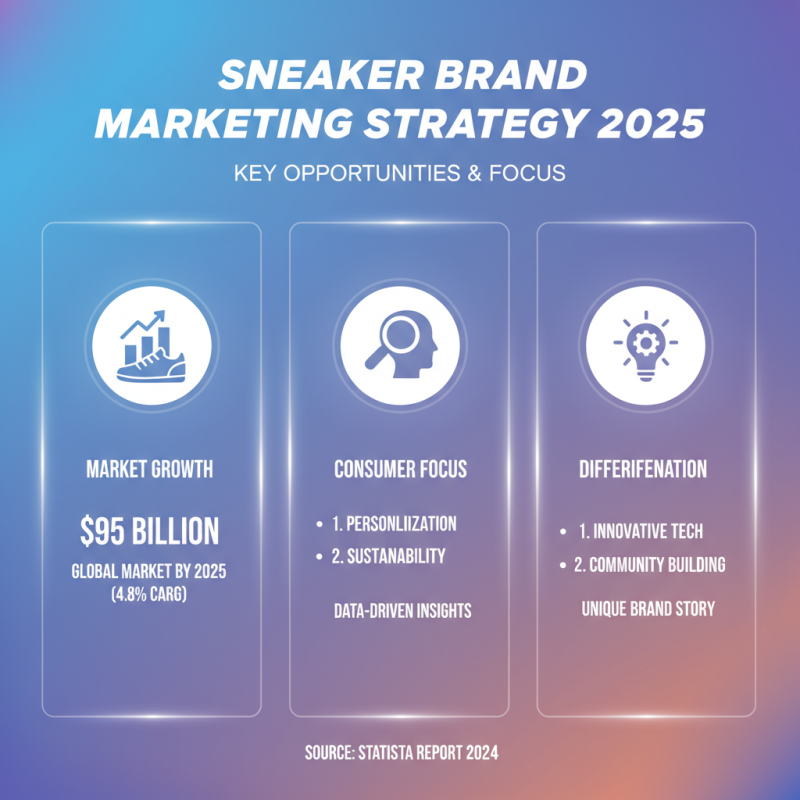
Creating an effective marketing strategy for your sneaker brand in 2025 requires a thorough understanding of both current trends and consumer behavior. According to a recent report from Statista, the global athletic footwear market is projected to reach approximately $95 billion by 2025, with a compound annual growth rate (CAGR) of around 4.8%. This growth spells an incredible opportunity for new entrants in the market, but also heightens the competition, making it crucial for your private label sneakers brand to differentiate itself through innovative marketing.
One of the most effective tactics involves leveraging digital marketing channels, particularly social media platforms. With over 4.6 billion users worldwide, social media provides an unprecedented opportunity to engage potential customers. A survey by Hootsuite revealed that 73% of marketers believe that their efforts through social media marketing have been "somewhat effective" or "very effective" for their businesses. Therefore, crafting visually appealing and engaging content that showcases your sneakers, coupled with strategic use of influencers, can significantly boost your brand's visibility and credibility.
Additionally, integrating customer feedback and data analytics into your marketing strategy is essential. Platforms like Google Analytics can provide insights into customer demographics, behavior, and preferences, enabling you to tailor your messaging effectively. Incorporating user-generated content can also enhance brand loyalty, as consumers are 79% more likely to trust recommendations from peers over traditional advertising. By focusing on these principles, your private label sneaker brand can establish a robust marketing foundation poised for success in the competitive landscape of 2025.