Shose expert

15 Years Manufacturing Experience
DSC00533

How to Source Custom Running Shoes in 2026?

Sourcing Custom Running Shoes in 2026 requires more than choosing colors, logos, and low factory prices. Buyers must connect runner needs with measurable design decisions. According to McKinsey & Company’s Sporting Goods 2024 report, the global sporting-goods market is expected to grow by about 5% annually through 2027. This growth creates opportunity, but it also raises buyer expectations for fit, durability, traceability, and responsible production.

The strongest sourcing process begins with a clear product brief. Define the target runner, weekly mileage, terrain, cushioning level, outsole compound, and expected lifespan. Request documented material specifications, laboratory test results, sample-development timelines, and factory quality controls. Grand View Research’s Athletic Footwear Market report also identifies performance innovation and product personalization as important market drivers. That does not mean every runner needs a fully individualized last. Sometimes, a carefully adjusted standard platform performs better. That assumption deserves testing.

Dr. Benno Nigg, a leading footwear biomechanics researcher, has stated, “The best shoe is the one that is most comfortable.” His principle remains practical for Custom Running Shoes buyers. Comfort should be evaluated through wear trials, pressure testing, fit feedback, and return data, not attractive prototypes alone. A supplier may promise precision, yet small production tolerances can change heel hold, forefoot space, or flex. Ask difficult questions. Inspect the sample twice. This guide explains how to compare manufacturers, verify technical claims, control costs, and build a sourcing decision that runners can trust.
How to Source Custom Running Shoes in 2026?

Define Your Custom Running Shoe Goals and Target Runners

How to Source Custom Running Shoes in 2026?

Define the runner before defining the shoe. A daily road runner needs different support from a trail racer or a beginner walking five kilometers. The 2024 ACSM Worldwide Survey ranked wearable technology as the leading fitness trend. This signals a practical goal: runners increasingly expect measurable comfort, pacing, and recovery feedback.

Start with three questions: Where will the shoe be used? How often will it be worn? What problem should it solve? Record surface, distance, climate, foot width, and preferred cushioning. A wet city route may require a grippy outsole and breathable upper. A high-mileage runner may value stable foam over extreme softness. Keep the brief specific. “Fast and comfortable” is not enough.

Target runners with evidence, not assumptions. Interview at least 10 users across experience levels, then compare their comments with wear-test results. Measure heel slip, forefoot pressure, outsole wear, and comfort after 30 minutes. The World Athletics Competition and Technical Rules provide useful guidance for checking shoe construction and competition eligibility. Requirements can change, so verify current rules before production.

Small details matter. Ask whether runners carry phones, use orthotics, or train before sunrise. These answers influence pockets, fit, reflectivity, and lacing. Sampling often exposes uncomfortable truths. Your chosen midsole may feel unstable. Your ideal customer may dislike the color. That is useful evidence, not failure. Keep one test assumption unproven until real runners challenge it.
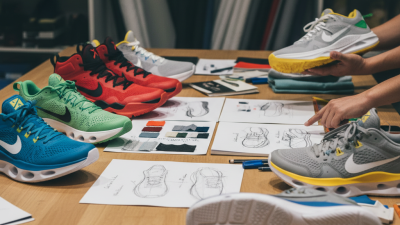
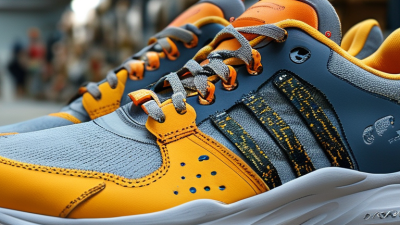
Choose Materials, Construction Methods, and Performance Features

How to Source Custom Running Shoes in 2026?

Material selection should match the runner, climate, and mileage target. Engineered mesh can reduce weight and improve airflow, while woven uppers offer better structure. Textile Exchange’s Materials Market Report 2024 found recycled polyester represented about 14% of global polyester production in 2023. That figure sounds encouraging, but recycled content does not automatically mean durable sourcing. Ask factories for fiber certificates, abrasion results, and production-lot consistency. Small details matter.

Construction changes the ride. A strobel build usually feels flexible, while board-lasting can provide firmer support. Request sample pairs with identical midsoles but different constructions. Then compare flex, heel security, and pressure points after repeated runs. ASTM F1976 provides a recognized method for testing athletic-shoe cushioning impact attenuation. Use it as a reference, not a substitute for athlete testing. Foam density, plate stiffness, outsole rubber, and heel geometry should be measured together. One feature can hide another weakness.

Performance claims need careful verification. World Athletics competition rules specify sole-thickness limits for regulated events, including a 40-millimeter limit for road racing shoes. Check prototypes against current rules before approving a racing model. The first sample may feel impressive. It may also fail after 100 kilometers. Build a test plan covering wet pavement, heat, lateral movement, and outsole wear. I would also keep one deliberately conservative prototype; maximum softness is not always the fastest or safest choice.

Find and Evaluate Reliable Custom Shoe Manufacturers

In 2026, sourcing custom running shoes requires more than comparing factory prices. A reliable manufacturer should demonstrate relevant production experience, stable capacity, and clear quality procedures. Ask for factory photographs, material specifications, and recent testing records. Do not accept vague promises. Be specific.

Request a development sample before discussing large production volumes. Examine the outsole grip, midsole rebound, heel support, stitching, and adhesive finish. Wear-test the shoe on pavement, track surfaces, and wet ground when possible. Record pressure points, slipping, and unusual sole wear. A polished sample can still hide weaknesses. Manufacturers should explain revisions clearly and provide realistic lead times. If the sample changes without written approval, treat that as a warning.

Evaluate communication as carefully as construction quality. Reliable teams answer technical questions directly, identify production risks, and document inspection steps. Ask about material traceability, worker safety, product testing, and compliance with applicable market regulations. No supplier is perfect. A small pilot order may reveal inconsistent sizing or uneven finishing that samples never showed. Review defect rates, replacement terms, payment stages, and ownership of approved specifications before signing. Keep every adjustment in writing, even minor changes to foam density or color.

Develop Samples, Test Fit, and Refine the Shoe Design

How to Source Custom Running Shoes in 2026?

Developing a custom running shoe starts with a precise performance brief. Define the runner’s distance, pace, foot shape, surface, and climate. Record these details before contacting a factory. A clear brief reduces vague sampling decisions. Ask for material specifications, production experience, testing methods, and quality records. Reliable suppliers should explain their process without hiding behind general promises.

Develop the first sample with measurable targets. Set the heel-to-toe drop, midsole firmness, outsole thickness, upper construction, and intended weight. Request a size range, not one sample alone. Fit is evidence. Test each shoe with the socks and insoles runners normally use. Check heel movement, toe clearance, arch pressure, and lace bite. Test on roads, tracks, and wet pavement when relevant. Do not guess.

Keep a written fit log after every trial. Note the runner’s weight, pace, temperature, distance, and discomfort level. Use photos to record creasing, heel collapse, and outsole wear. A sample may feel excellent for ten minutes, then create pressure after an hour. That happened in one development cycle I reviewed. The toe box looked generous, but the upper compressed during downhill running. The pattern needed more volume, not simply softer fabric. Small changes matter.

Refine one variable at a time when possible. Adjust the last, foam density, collar padding, or outsole geometry separately. Otherwise, the team may not know what improved the result. Repeat testing with different foot shapes. A successful fit on one runner proves very little. Some early samples will fail. That is useful information, if the failure is documented and corrected before bulk production.

How to Source Custom Running Shoes in 2026? – Develop Samples, Test Fit, and Refine the Shoe Design
Development Stage Primary Activities Key Data Dimensions Practical Target or Reference Range Quality Gate Expected Output
1. Define the Product Brief Set the intended use, runner profile, terrain, climate, price position, and target consumer expectations before contacting suppliers. Use case: road, trail, gym, or daily training
Runner weight: define the main user range
Product life: planned mileage and wear period
Establish one primary use case, one target retail position, and measurable performance priorities such as cushioning, stability, flexibility, or low weight. Brief approved Product brief with measurable design priorities and acceptance criteria.
2. Build the Technical Package Create the upper artwork, outsole drawing, material list, construction notes, color references, and measurement specifications. Last type: standard, wide, or anatomical
Size range: adult or youth grading plan
Material data: thickness, density, stretch, abrasion behavior
Specify measurements in millimetres, define tolerances for critical points, and document every material and component used in the sample. Tech pack complete Supplier-ready tech pack that allows quotations and comparable sample development.
3. Screen Suitable Suppliers Compare factories according to footwear capability, sample communication, tooling resources, testing access, minimum order requirements, and production capacity. Sample lead time: agreed calendar days
Communication: response and revision tracking
Capability: upper, midsole, outsole, and assembly processes
Request the same brief and cost structure from each candidate so that development speed, sample quality, and commercial terms can be compared fairly. Shortlist approved Supplier comparison sheet, development schedule, and quotation assumptions.
4. Develop the First Sample Produce an initial sample using the selected last, upper pattern, midsole geometry, outsole design, and provisional materials. Sample size: one reference size
Key checks: pattern alignment, bonding, stitching, lasting, component fit
Documentation: sample photos and measurement record
The first sample should confirm construction feasibility and overall proportions before expensive tooling or large material commitments. Construction feasible First article sample with a dated review report and clearly marked corrections.
5. Check Static Fit Evaluate the shoe on representative feet while standing and walking. Inspect toe room, heel hold, arch contact, instep pressure, and upper creasing. Toe clearance: commonly assessed around 10–15 mm for running footwear
Heel movement: should be minimal without excessive pressure
Fit points: forefoot, midfoot, heel, collar, and tongue
No sharp pressure points, excessive heel lift, toe contact, or visible upper distortion during walking and standing evaluations. Fit issues logged Fit comments with annotated photos, measurements, and prioritized corrections.
6. Conduct Dynamic Wear Testing Test the sample during walking, easy running, faster running, turning, and repeated flexion on the intended surface. Test group: different foot shapes and relevant sizes
Test duration: multiple sessions rather than one short trial
Feedback: comfort, stability, heat, slipping, rubbing, and fatigue
Record feedback immediately after each session and separate consistent problems from individual preferences or temporary break-in sensations. Wear test completed Structured wearer feedback, defect photos, and a ranked list of design changes.
7. Measure Performance and Durability Use repeatable laboratory or in-house checks for outsole abrasion, flexing, bonding, cushioning response, upper tear resistance, and water behavior where relevant. Outsole: abrasion and flex-crack inspection
Bonding: sole attachment and peel resistance
Upper: seam, tear, and repeated-flex inspection
Set pass/fail limits before testing. Compare every revision with the previous sample using the same method, equipment, and conditioning period. Test results recorded Performance test report linked to the exact sample version and material batch.
8. Refine the Shoe Design Adjust the last, upper pattern, foam geometry, outsole rubber placement, collar padding, tongue construction, or component hardness based on evidence. Revision control: version number and change log
Priority: safety and fit before aesthetics
Sample cycle: one controlled change set at a time
Change the smallest number of variables necessary to identify the cause of a problem and verify whether the correction improved the result. Revision verified Updated sample, revised tech pack, and documented reason for each approved change.
9. Confirm Size Grading Review the fit across the full size range instead of approving only the original reference size. Grading checks: length, width, instep, toe shape, heel volume
Fit review: at least one smaller and one larger size
Consistency: left/right symmetry and pair matching
Maintain the intended fit relationship across sizes without creating disproportionate toe room, heel looseness, or forefoot compression. Size set approved Confirmed size chart, grading rules, and approved size-set samples.
10. Approve the Pre-Production Sample Review the final materials, colors, logos or artwork, packaging components, workmanship, and production construction before bulk manufacturing. Critical-to-quality points: fit, bonding, outsole alignment, stitching, color, pair matching
Inspection: visual and measurement checklist
Traceability: sample date and material references
The pre-production sample must match the approved specifications and represent the actual construction intended for bulk production. Bulk-ready approval Signed approval sample, final inspection standard, and production control plan.
Reference values are practical development benchmarks. Final acceptance limits should be agreed in writing with the testing laboratory, supplier, and product team before sampling begins.

Manage Pricing, Production, Quality Control, and Delivery

How to Source Custom Running Shoes in 2026?

Custom running shoes require more than an attractive design. They need controlled costs, stable production, tested materials, and dependable delivery.

Start with a detailed specification sheet. Include outsole rubber, foam density, upper fabric, sizes, colors, packaging, and target quantity.

Request itemized quotations from several factories. My early cost estimates were too optimistic. Sampling, tooling, packaging, inspections, and transport can change the final price.

Production should follow approved samples, not verbal promises. Check stitching, adhesive coverage, logo placement, and outsole bonding during development.

Ask for material data and basic performance testing where appropriate. A pre-production sample can reveal uncomfortable pressure points before bulk manufacturing.

Quality control should include measurements from random pairs. Photograph defects and record corrective actions.

Small inconsistencies become expensive when multiplied across thousands of pairs.

Tips:

Keep a written approval trail. Confirm payment stages and production milestones. Reserve time for one correction cycle.

Delivery planning should include factory lead time, inspection, shipping, customs documentation, and possible seasonal delays. Use clear trade terms and verify responsibilities with qualified logistics professionals.

Do not accept an unrealistically short schedule. It often hides missing inspections or rushed production.

A practical buffer protects launch dates, although it may increase storage costs.

Recheck every assumption before placing the final order.