Shose expert

15 Years Manufacturing Experience
DSC00533

What is a Sneaker Manufacturing Company and How Does It Operate

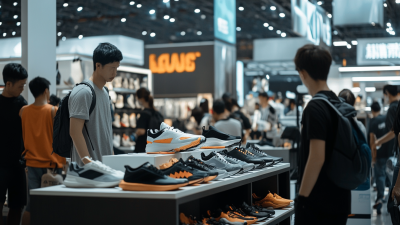
The sneaker industry has witnessed remarkable growth in recent years, transforming into a global powerhouse with a diverse array of products appealing to various consumers. At the heart of this phenomenon lies the sneaker manufacturing company, which plays a pivotal role in bringing innovative designs and technologies to life. In this exploration, we will delve into what defines a sneaker manufacturing company, examining its core functions, from design and production to supply chain management and marketing strategies.

Understanding the operational intricacies of a sneaker manufacturing company is essential for appreciating how these entities adapt to changing market trends and consumer demands. This article will highlight the top five sneaker manufacturing companies set to dominate in 2025, showcasing their unique approaches to production and how they leverage advancements in materials and sustainability. As we navigate through the evolution of sneaker manufacturing, we will also consider the implications for both consumers and the broader industry landscape.
What is a Sneaker Manufacturing Company and How Does It Operate

Understanding the Definition and Role of a Sneaker Manufacturing Company

What is a Sneaker Manufacturing Company and How Does It Operate

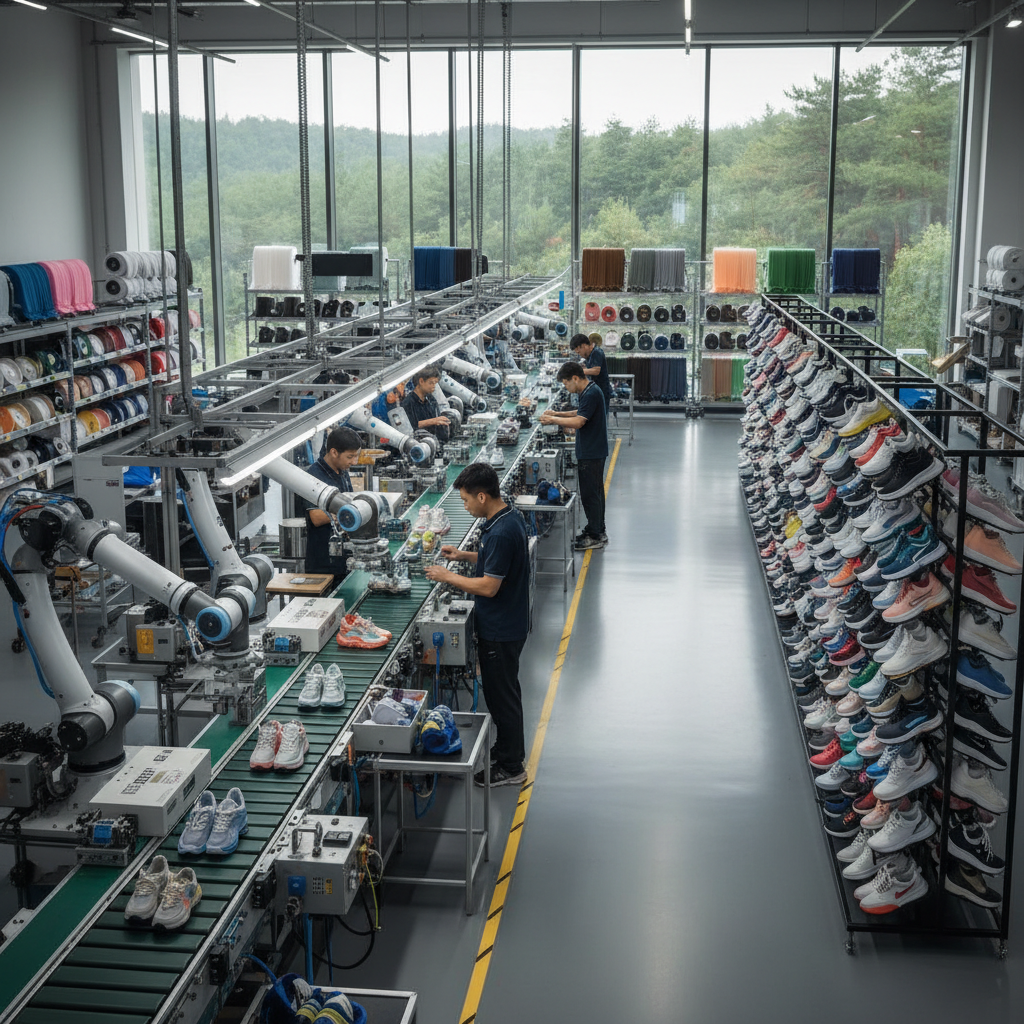
A sneaker manufacturing company is primarily dedicated to producing footwear designed for athletic and casual use. This industry operates within the broader context of footwear manufacturing, a sector that encompasses a variety of products, including athletic shoes, dress shoes, and boots. The role of a sneaker manufacturing company goes beyond mere production; it involves understanding market trends, consumer preferences, and sustainable practices to create high-quality products that meet the demands of modern consumers.

As well as focusing on production efficiency, these companies often adopt innovative management practices to stay competitive. For instance, many in Silicon Valley are moving towards collaborative management styles, allowing for greater team involvement and faster decision-making processes. Such strategies help sneaker manufacturers adapt to the rapid changes in technology and consumer behavior, fostering a more resilient operation.

Tips: When exploring sneaker manufacturing, consider how companies are integrating sustainability into their production methods. Additionally, keep an eye on emerging trends in materials and technology that can revolutionize sneaker design. Engaging with consumer feedback can also help companies stay relevant and aligned with market demands.
Key Components of the Sneaker Manufacturing Process

What is a Sneaker Manufacturing Company and How Does It Operate

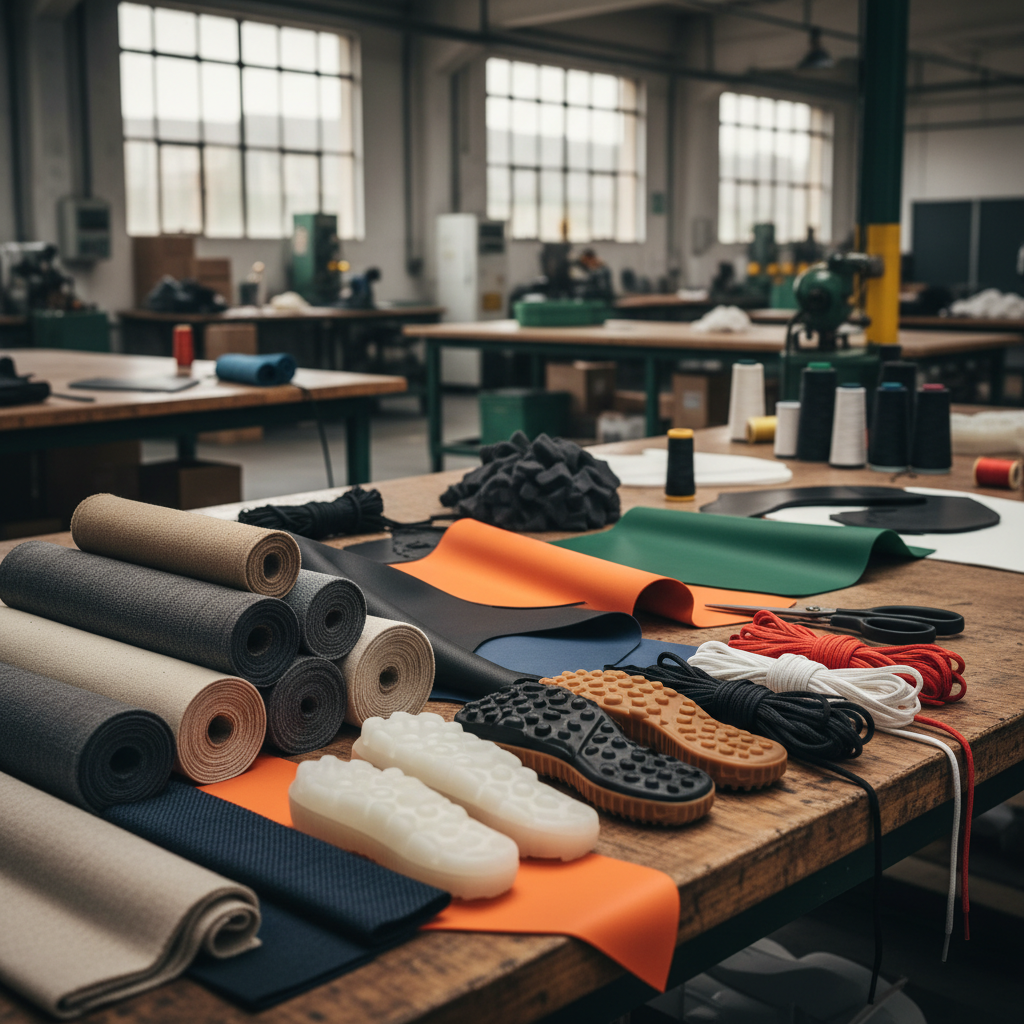
Sneaker manufacturing involves several key components that contribute to the process of creating a high-quality product. First and foremost, material selection plays a crucial role. Manufacturers typically use a combination of textiles, rubber, and synthetic materials to ensure durability, comfort, and style. The choice of materials impacts not only the sneaker's performance but also its aesthetic appeal, making this step vital in the design phase.

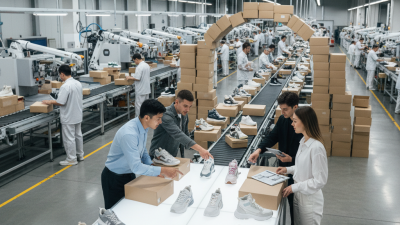
The next critical component is the actual production process, which encompasses cutting, stitching, and assembling various parts of the sneaker. Advanced technologies, such as automated cutting machines and computer-aided design (CAD) systems, are often employed to enhance precision and efficiency. After assembly, the sneakers undergo quality control inspections to identify any defects and ensure they meet industry standards. This detailed approach to manufacturing ensures that the final product is not only functional but also aligns with the brand's vision and consumer expectations.

How to Choose the Right Materials for Sneaker Production

Choosing the right materials for sneaker production is essential in today’s competitive market, especially with the rising consumer awareness about sustainability and performance. Brands are increasingly turning to eco-friendly alternatives to create shoes that not only meet functional demands but also minimize environmental impact. Options such as bio-based materials derived from natural sources—like plant fibers and mycelium—present exciting opportunities for innovation in sneaker design.

Moreover, advancements in technology, particularly in 3D printing, are revolutionizing how sneakers are manufactured. This technique allows for precision in design while reducing waste, as components can be produced on-demand. However, balancing cost and performance remains a challenge as companies strive to make these technologies accessible for mass production. As brands focus on integrating greener practices and high-tech materials into their product lines, the future of sneaker manufacturing looks poised for significant transformation, emphasizing both functionality and sustainability.

Exploring the Supply Chain in Sneaker Manufacturing

Sneaker manufacturing is a complex process that involves multiple stages, each crucial to the final product. The supply chain typically begins with raw material sourcing, where companies procure materials such as rubber, synthetic fibers, and foam. According to the Global Footwear Market Report, the global athletic footwear market was valued at approximately $64.3 billion in 2021 and is projected to reach $95.14 billion by 2026, highlighting the increasing demand for sneakers and the necessity for an efficient supply chain to keep up with consumer needs.

Once materials are procured, they are transported to manufacturing facilities, primarily located in regions such as Asia, where labor costs are more competitive. The production phase involves several processes including cutting, assembling, and quality control. A report from ResearchAndMarkets indicates that more than 80% of the world's athletic footwear is produced in Asia, ensuring that the location and logistics of manufacturing play a significant role in overall supply chain efficiency. As brands continue to evolve, incorporating sustainable practices in material sourcing and manufacturing is becoming increasingly important, reflecting a shift towards environmental responsibility in the sneaker industry.

Innovative Technologies Shaping the Future of Sneaker Production

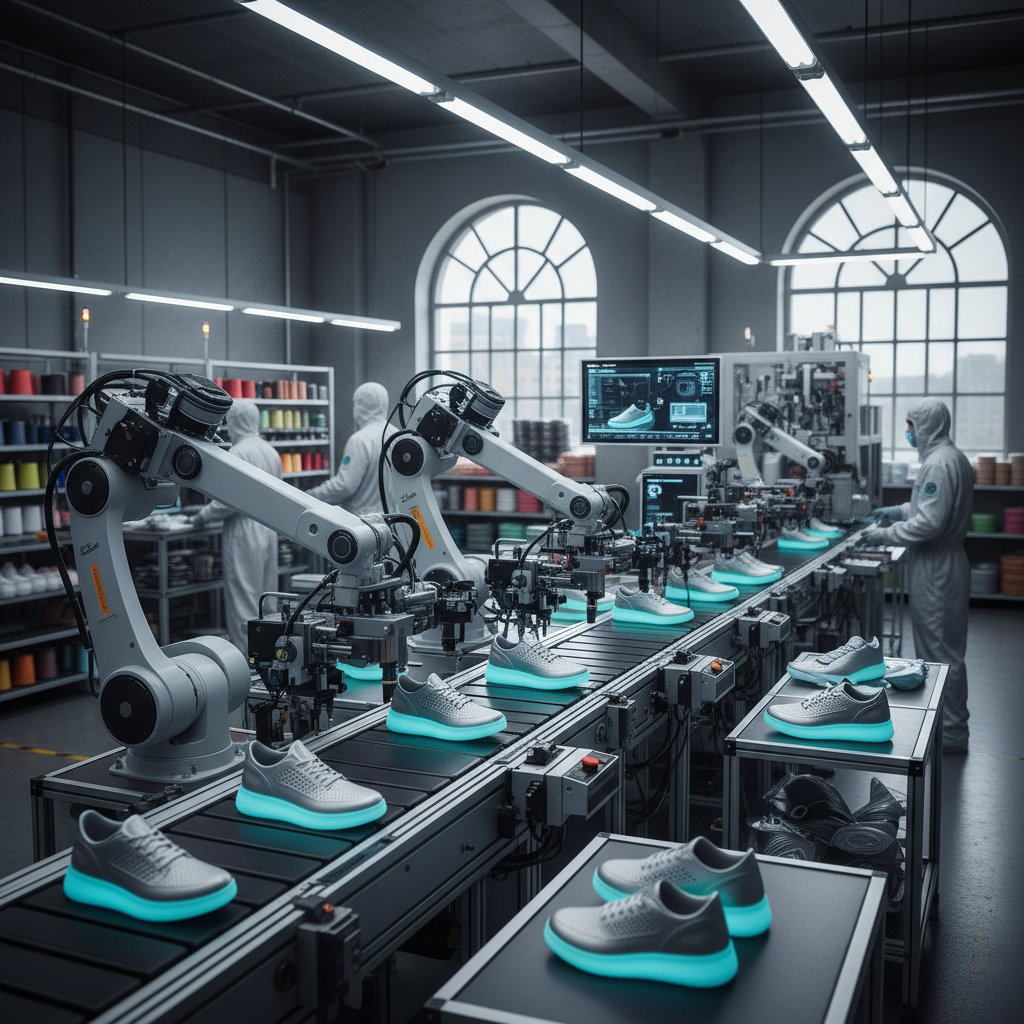
Sneaker manufacturing companies are increasingly leveraging innovative technologies to streamline production and enhance product quality. Automation and 3D printing have become integral to operations, allowing for rapid prototyping and customization. This shift not only reduces the time from concept to market but also minimizes waste, aligning with sustainability goals in the industry. Advanced materials, like biodegradable and lightweight composites, are being utilized to improve performance while addressing environmental concerns.

**Tips:** When considering sustainable sneaker options, look for companies that utilize eco-friendly materials and transparent manufacturing processes. Engaging with brands that prioritize innovation can also ensure you’re wearing the latest in sneaker technology, enhancing both comfort and performance.

Moreover, data analytics plays a crucial role in optimizing supply chains and predicting trends. By utilizing big data, companies can better understand consumer preferences and adjust their production schedules accordingly. This responsiveness helps to meet market demands swiftly while maintaining quality and reducing overproduction.

**Tips:** Stay informed about technological advancements in sneaker design, as they can elevate your footwear experience. Following brands that actively engage in research and development can lead to finding unique styles that combine form and function.

Sneaker Manufacturing Trends: Technology Adoption Over Time