What is a Sneaker Manufacturer and How Do They Impact the Footwear Industry
The sneaker industry has become a dynamic and multifaceted sector within the broader footwear market, driven by innovation, fashion trends, and consumer demand. At the heart of this industry lies the sneaker manufacturer, a key player responsible for designing, producing, and delivering the sneakers that captivate enthusiasts worldwide. From high-performance athletic footwear to stylish streetwear options, sneaker manufacturers influence not only the products available to consumers but also the trends that shape the way people perceive and wear sneakers today.
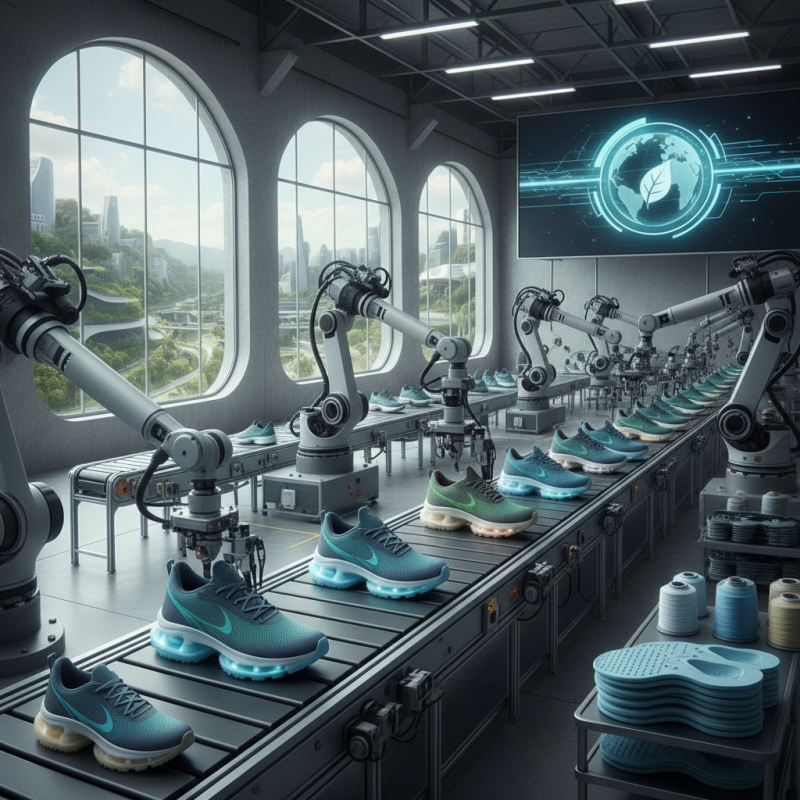
Sneaker manufacturers employ advanced technologies and sustainable practices to create versatile footwear that meets the diverse needs of consumers. Their role extends beyond mere production, as they often collaborate with designers and marketers to enhance brand visibility and consumer engagement. This collaboration fosters a culture of creativity, pushing the boundaries of footwear design and functionality. As sneaker demand continues to rise, the impact of sneaker manufacturers on the footwear industry becomes increasingly prominent, signaling a shift towards innovation and sustainability in manufacturing processes.
Understanding the significance of sneaker manufacturers allows us to appreciate their contributions to the evolution of footwear. By shaping trends and setting standards for quality and performance, these manufacturers not only pave the way for new styles but also influence consumer behavior and market dynamics. As the sneaker industry continues to grow, the role of sneaker manufacturers will undoubtedly remain crucial in shaping the future of footwear.
What Defines a Sneaker Manufacturer in the Footwear Industry?
A sneaker manufacturer plays a crucial role in the footwear industry, defining not only the quality and style of shoes but also the overall market dynamics. These manufacturers are involved in various stages, from design conceptualization to material selection and production techniques. They often collaborate with designers and engineers to ensure that sneakers not only serve aesthetic purposes but also provide comfort, performance, and durability for the consumers.
Tips: When evaluating sneaker manufacturers, consider their commitment to sustainable practices. Many manufacturers are now incorporating eco-friendly materials and ethical labor practices into their production lines, which can significantly impact both the quality of the product and its appeal to conscious consumers.
The influence of sneaker manufacturers extends beyond mere production. Their decisions regarding supply chain management, technological innovation, and marketing strategies can set trends that other players in the industry must follow. Additionally, manufacturers engage in market research to understand consumer preferences, which helps them to not only meet current demands but also to anticipate future trends.
Tips: Always look for manufacturers that embrace innovation in design and technology. They often lead the charge in introducing groundbreaking features that enhance user experience, making their products more appealing in a competitive marketplace.
What is a Sneaker Manufacturer and How Do They Impact the Footwear Industry
| Dimension |
Description |
| Production Volume |
Typically ranges from thousands to millions of pairs annually, depending on market demand. |
| Manufacturing Locations |
Commonly based in countries such as China, Vietnam, Indonesia, and India. |
| Materials Used |
Includes rubber, textile fabrics, synthetic materials, and foam for cushioning. |
| Innovation Focus |
Involves technological advancements in comfort, durability, and sustainability. |
| Market Segmentation |
Targets various consumer groups including athletes, casual wearers, and fashion enthusiasts. |
| Environmental Practices |
Many manufacturers are adopting sustainable practices and eco-friendly materials. |
| Brand Collaborations |
Often work with designers and celebrities to create limited edition sneaker lines. |
| Supply Chain Dynamics |
Involves complex logistics to manage production, distribution, and inventory. |
The Role of Sneaker Manufacturers in Shaping Trends and Consumer Preferences
Sneaker manufacturers play a crucial role in shaping trends and influencing consumer preferences in the footwear industry. These companies are not only responsible for the design and production of sneakers but also for defining aesthetic and functional standards that consumers come to expect. By embracing innovative materials and technology, manufacturers respond to changing consumer desires, such as the demand for sustainability and performance, thereby setting new trends. This responsiveness to market needs often leads to the creation of iconic styles that resonate with various demographics, from athletes to fashion enthusiasts.
Moreover, sneaker manufacturers heavily invest in marketing strategies that further drive consumer trends. Through collaborations with designers, influencers, and athletes, they create a narrative around their products that enhances brand appeal and loyalty. These narratives often translate into cultural movements, giving rise to sneaker culture that transcends mere functionality, transforming sneakers into desirable lifestyle choices. By aligning their offerings with contemporary values, such as environmental consciousness and social responsibility, manufacturers can influence consumer preferences that prioritize not just style but also ethical considerations, thereby shaping the future of the footwear industry.
Analysis of Market Share Held by Leading Sneaker Manufacturers
The sneaker manufacturing industry plays a pivotal role in shaping the footwear sector, with a focus on innovation, sustainability, and market trends. In 2022, the global athletic footwear market was valued at approximately $84.2 billion and is projected to reach $100.9 billion by 2026, growing at a CAGR of around 4.5%. Leading sneaker manufacturers account for a significant portion of this market, leveraging advanced technologies and consumer insights to capture market share.
Notably, the market share held by leading sneaker manufacturers is highly concentrated, with the top five companies commanding nearly 60% of the total market. This includes a focus on performance-driven designs and eco-friendly materials, aligning with consumer demand for sustainable products. Reports indicate that brands emphasizing recycling and environmentally friendly practices in their production are seeing a 15% increase in consumer preference. The agility of these manufacturers in responding to shifting consumer behaviors and trends not only influences their market share but also sets the tone for innovation across the footwear industry. As consumers increasingly prioritize style, performance, and sustainability, sneaker manufacturers are positioned at the forefront of a dynamic and evolving market landscape.
Market Share of Leading Sneaker Manufacturers
Impact of Sneaker Manufacturing on Sustainable Practices in Footwear
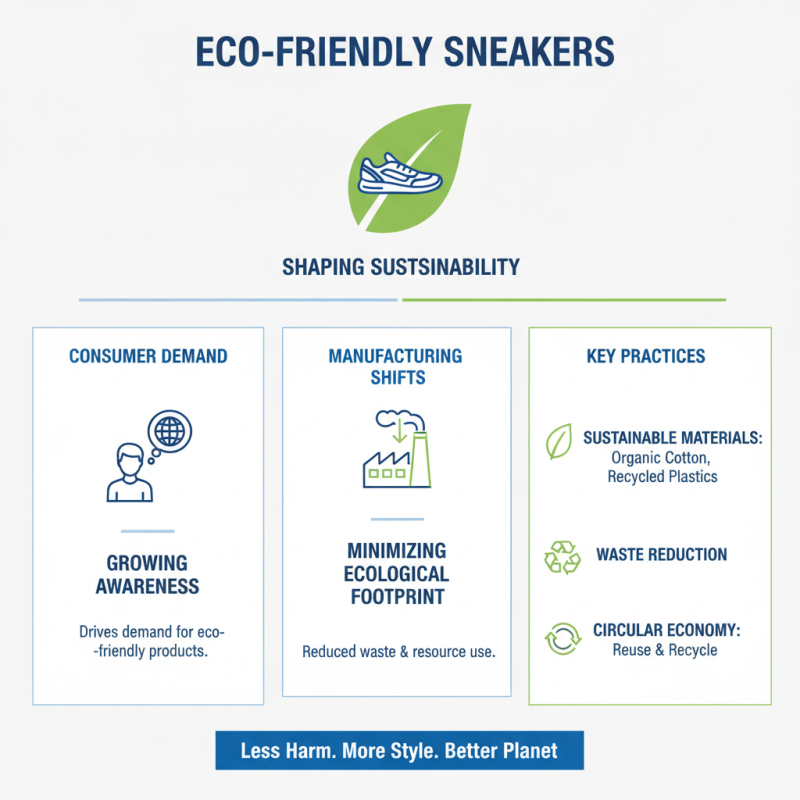
The sneaker manufacturing sector plays a pivotal role in shaping sustainable practices within the footwear industry. As consumer awareness regarding environmental issues grows, manufacturers are increasingly adopting strategies that minimize their ecological footprint. This includes the utilization of sustainable materials, such as organic cotton and recycled plastics, to produce sneakers. By prioritizing eco-friendly resources, manufacturers not only conserve natural materials but also reduce waste, thereby contributing to a more circular economy.
Moreover, the impact of sneaker manufacturing on sustainable practices extends beyond materials. Many manufacturers are rethinking their production processes to incorporate energy-efficient technologies and waste reduction techniques. For instance, some companies have implemented low-impact dyeing methods and waste-water recycling systems to lessen their environmental impact. This shift not only benefits the planet but also appeals to a socially conscious consumer base that values transparency and sustainability from brands. Ultimately, as sneaker manufacturers embrace these sustainable practices, they set a standard for the entire footwear industry, driving innovation and encouraging a collective movement towards greener manufacturing solutions.
Technological Innovations Driven by Sneaker Manufacturers in Recent Years
In recent years, sneaker manufacturers have spearheaded a wave of technological innovations that have significantly transformed the footwear industry. With a growing focus on performance, comfort, and sustainability, these manufacturers have invested in research and development to create advanced materials and processes. Innovations such as lightweight, breathable fabrics and cushioning technologies have enhanced the overall functionality of sneakers, catering to both athletes and casual wearers alike.
Moreover, the integration of smart technology into sneaker design has marked a pivotal shift in consumer experience. Features like built-in fitness tracking, adaptive lacing systems, and moisture-wicking properties are now commonplace, allowing wearers to enjoy a more tailored and responsive fit. Additionally, manufacturers are increasingly prioritizing eco-friendly practices, incorporating recyclable materials and sustainable production methods to address environmental concerns. This commitment not only shapes consumer preferences but also pushes the entire footwear industry toward a more sustainable future, influencing design trends and manufacturing processes across various segments.