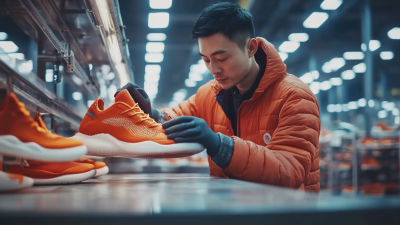
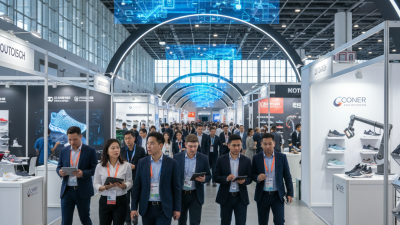
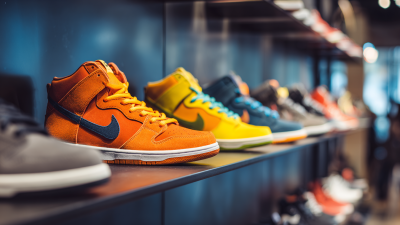
Korea Custom Sports Shoes Factory for Global Buyers?
The global demand for sports shoes is growing rapidly. According to a recent report by Grand View Research, the global athletic footwear market is expected to reach $100 billion by 2025. This presents a significant opportunity for factories, especially the Korea Custom Sports Shoes Factory, which focuses on unique and personalized designs.
Dr. Lee Jun-ho, a notable expert in the footwear industry, stated, "Korea Custom Sports Shoes Factory exemplifies innovation and quality tailored to individual customers." His words highlight the factory's commitment to meeting consumer needs. This adaptability is crucial in a competitive market.
Yet, challenges remain. The production process can be complex. Balancing costs with quality is a common issue. The factory must continually refine its processes to stay relevant. Quality assurance remains a vital focus. This industry requires ongoing evaluation to maintain high standards and consumer satisfaction.
Korea's Custom Sports Shoes: An Overview for Global Buyers
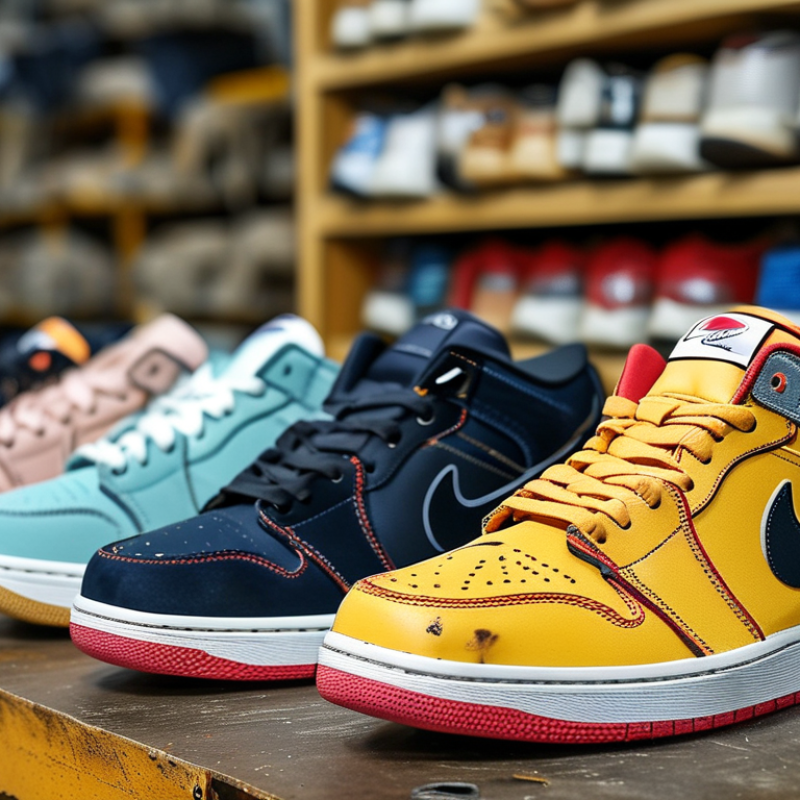
Korea has emerged as a key player in the custom sports shoes market, attracting global buyers. With a unique blend of traditional craftsmanship and modern technology, manufacturers focus on quality and innovation. Buyers can expect a wide range of customization options, from materials to designs. This adaptability makes Korean factories a strong choice for those seeking personalized products.
When engaging with a Korean custom sports shoes factory, consider the production timelines. Some factories may take longer due to customization complexities. Researching sample quality is crucial; not all factories maintain the same standards. Communication is essential. Establish clear expectations to avoid misunderstandings.
Tips: Always request prototypes before placing bulk orders. This ensures you receive exactly what you envisioned. Additionally, inquire about the factory’s production capacity. A reliable factory should be transparent about their ability to meet your demands. Remember, quality control should be a priority. Trust but verify the processes they use to ensure your shoes meet global standards.
Key Features of Korean Custom Sports Shoes Production
Korean custom sports shoes production has gained attention in recent years. These shoes combine innovation and craftsmanship. They meet the diverse needs of athletes and casual users alike. High-quality materials are sourced to ensure durability and comfort. The manufacturing process emphasizes precision and technique. This results in unique designs that stand out in a crowded market.
Customization is a key feature. Buyers can select colors, materials, and designs. This flexibility attracts global clients seeking tailored solutions. However, the production timeline can sometimes be extended. Rushing the process might compromise quality. Finding the right balance between speed and craftsmanship remains a challenge.
Korea's skilled workforce contributes significantly to the industry. Their expertise plays a crucial role in maintaining high standards. Nevertheless, skill gaps can occur. Ongoing training is necessary to stay competitive. Establishing reliable partnerships with suppliers is essential. This approach enhances the production process and ensures better consistency.
Korea Custom Sports Shoes Production Overview
Benefits of Sourcing from Korean Sports Shoe Factories
Sourcing sports shoes from Korean factories offers unique advantages. The country is known for its innovative designs and high-quality manufacturing. Korean factories use advanced technology and skilled labor, ensuring that the end products meet international standards. Buyers appreciate the attention to detail and craftsmanship that Korean manufacturers deliver.
One key benefit is the ability to customize products. Factories often work closely with clients to develop unique styles and materials. This flexibility can lead to distinct products that stand out in a competitive market. Buyers can request specific features, colors, and even eco-friendly materials, making their offerings more appealing.
Tips: Keep communication clear. Specify your needs clearly during initial discussions. Regular check-ins can help ensure production aligns with your expectations. Be prepared for some trial and error. It may take a few iterations to get everything just right.
Korean manufacturers are often responsive to feedback. They are willing to make adjustments based on customer insights. However, the pace may vary. Some buyers find it takes time to implement changes. Be patient but persistent in expressing your vision.
Understanding the Customization Process in Korean Shoe Manufacturing
When it comes to custom sports shoes, Korean manufacturers stand out for their dedication to quality and individuality. The process begins with a comprehensive discussion between the buyer and the factory. This dialogue covers design preferences, material choices, and sizing. Each detail matters, especially when fulfilling unique specifications. It is essential to communicate clearly what you envision.
Korean factories often use advanced technology in shoe production. They adopt methods that ensure accuracy and durability, yet there can be inconsistencies in execution. For instance, the final product may not always match the original design perfectly. This aspect prompts buyers to review prototypes carefully before mass production.
Flexibility and patience are necessary in this dynamic environment.
Throughout the customization journey, collaboration is key. Clients must remain involved to refine their ideas. Learning from earlier projects can improve outcomes. However, mistakes can happen. These experiences offer valuable lessons for better communication in future endeavors. The art of custom shoe manufacturing in Korea is as much about partnership as it is about production.
Navigating Import Regulations for Purchasing from Korea
Korea has emerged as a key player in the global sports shoe market. Its custom sports shoes appeal to buyers seeking quality and innovation. However, importing these shoes requires navigating complex regulations. Understanding these rules is crucial for a smooth purchasing process.
According to the International Trade Administration, the footwear market in South Korea is expected to grow significantly in the coming years, with a projected CAGR of 5% from 2023 to 2028. This growth presents an opportunity for global buyers. When importing, buyers must consider tariff rates, customs duties, and import quotas, which can vary by region. It's vital to stay informed about changes in trade agreements, as they can directly affect costs and logistics.
Tips:
Verify compliance with Korea’s export regulations. This avoids costly delays and ensures smooth shipping. Additionally, consider working with an experienced customs broker. They can help navigate the intricacies of import laws efficiently. Ensure all documentation, including invoices and packing lists, is accurate to prevent misunderstandings.
Buyers should also be aware of product safety standards, which can differ from their home countries. Regular updates from regulatory bodies are essential to maintain compliance. This will minimize risks and help in making better purchasing decisions. Being diligent in research is key to a successful import experience.