Custom Athletic Shoes What to Know Before You Buy?
Custom athletic shoes have gained immense popularity among sports enthusiasts and casual wearers alike. According to a recent report from Grand View Research, the global athletic footwear market size was valued at USD 81.7 billion in 2020 and is expected to grow at a CAGR of 4.0% through 2028. This rise in demand reflects a growing awareness of the importance of personalized gear for athletes.
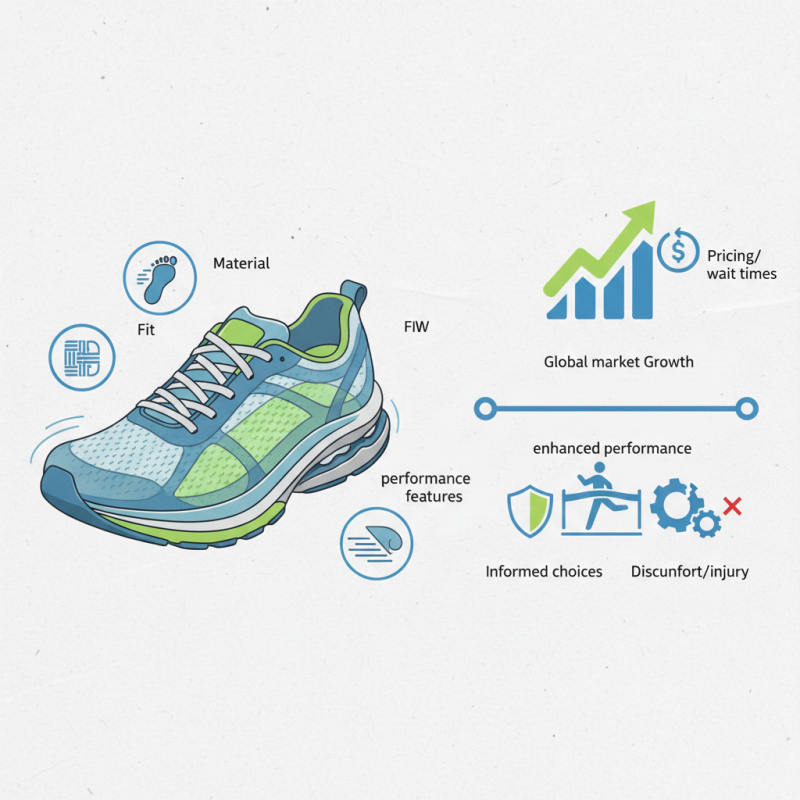
When considering custom athletic shoes, factors to evaluate include fit, material, and performance features. Many brands offer unique designs tailored to individual needs, from arch support to unique color patterns. However, it’s essential to scrutinize reviews and possible drawbacks. Some users might find the pricing steep or wait times longer than anticipated.
Investing in custom athletic shoes can significantly enhance performance, but not all options are created equal. Brands must balance style with functionality. While the allure of a personal touch is appealing, misjudgments in selection can lead to discomfort or injury. Make informed choices.
Understanding the Importance of Custom Athletic Shoes
Custom athletic shoes are becoming increasingly important for athletes and fitness enthusiasts. These shoes provide the right support, enhance performance, and reduce the risk of injury. A proper fit can also improve comfort during long workouts. Finding the perfect pair begins with understanding your unique foot shape and needs.
Tips for choosing the right custom athletic shoes include measuring your feet regularly. Feet can change over time, affecting fit. Also, consider the type of activities you engage in. Different sports require different features. For instance, running shoes should offer cushioning and shock absorption, while cross-training shoes need more stability.
When ordering custom shoes, take your time with the fitting process. Don't rush this step. A small error can lead to discomfort later. Be open to feedback from specialists. They often have insights into what may work best for you. Trust your instincts, but stay adaptable. Your feet deserve the best care possible for optimal performance.
Custom Athletic Shoes: What to Know Before You Buy
| Feature |
Importance |
Considerations |
Average Cost |
| Fit |
Essential for comfort and performance |
Get accurate measurements |
$100 - $300 |
| Material |
Affects durability and breathability |
Look for quality materials |
$50 - $200 |
| Support |
Prevents injuries and enhances performance |
Choose based on activity type |
$80 - $250 |
| Custom Design |
Personalizes footwear to individual style |
Explore different customization options |
$150 - $500 |
| Weight |
Impacts speed and agility |
Lightweight options can enhance performance |
$60 - $200 |
Factors to Consider When Choosing Custom Athletic Shoes
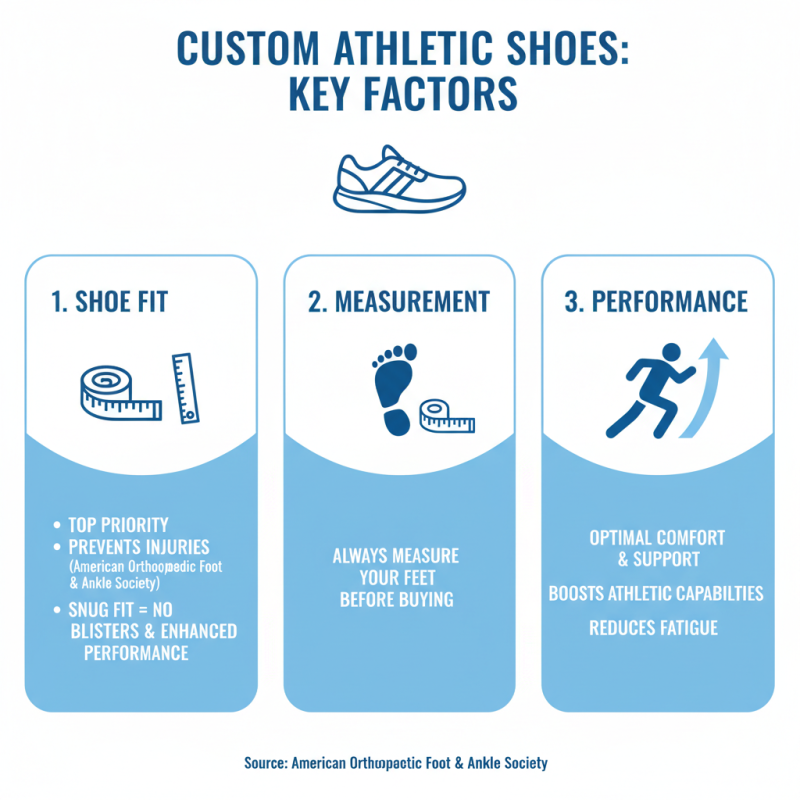
When choosing custom athletic shoes, consider various essential factors. Shoe fit is a top priority. According to the American Orthopaedic Foot & Ankle Society, a poor fit can lead to injuries. Always measure your feet before purchasing. A snug fit prevents blisters and enhances performance.
Material also matters significantly. High-quality materials like mesh allow breathability, while synthetic options can offer better support. The right combination can improve your comfort during workouts. Look for data from the Sports Footwear Association, highlighting that 72% of athletes prioritize materials for their performance.
Tips: Take your time trying different styles and sizes. Don't rush; your feet need to feel natural. It's okay to make mistakes while choosing. Reflect on your past shoe choices and learn from them.
Lastly, consider your specific activities. Running shoes differ from cross-training shoes. Analyze your workout routines and choose accordingly. Always remember, not all shoes work for everyone. Your needs may evolve, so stay open to new options.
Materials and Technologies Used in Custom Athletic Shoe Production
When considering custom athletic shoes, the choice of materials is crucial. Many brands use synthetic fibers for their lightweight properties. These materials often enhance breathability during workouts. However, synthetic fabrics can sometimes lack durability. Natural materials, like leather, offer better longevity but might not be as breathable. Balancing these factors is essential.
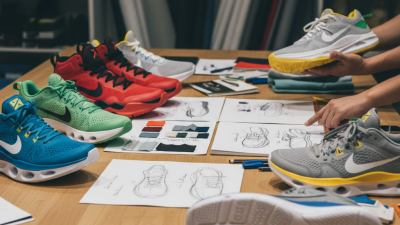
Technologies in custom shoe production have advanced significantly. Some shoes feature 3D printing, allowing for intricate designs and personalized fits. This can enhance comfort but may raise production costs. The foam cushioning used in soles varies widely, affecting comfort levels. Softer foams provide immediate comfort but can wear out quickly. Stiffer foams offer better support but might feel hard underfoot.
Tips: Always check the return policy. This allows you to assess comfort before committing. Consider your workout style. Different activities demand varying shoe features. Think carefully about what you need from a shoe. Making a hasty decision can lead to regrets later on.
The Fit: How to Ensure Your Custom Shoes Are Right for You
When considering custom athletic shoes, the fit is crucial. A study found that up to 70% of runners wear shoes that are not the correct size. This mismatch can lead to discomfort and even injuries over time. It’s important to measure both the length and width of your feet accurately. Your foot shape may change over time due to factors like age, weight, and activity level. Regular measurements can help ensure a better fit.
Choosing the right fit involves understanding different shoe features. Arch support, cushioning, and toe space are key elements. According to a report from the American Podiatric Medical Association, improper fit can contribute to common foot ailments such as plantar fasciitis and bunions. It’s often recommended to try shoes later in the day when your feet are slightly swollen. This ensures you select a pair that accommodates changes in size.
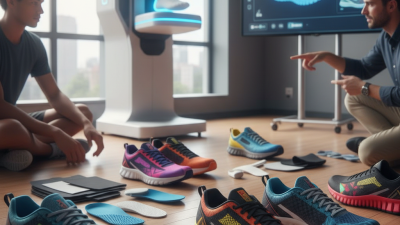
Customization brings unique challenges. While many believe they know their size, foot dimensions can vary widely. Some may overlook details, like the height of the arch or the width of the forefoot. If you have specific conditions or preferences, consult a professional. A fitting session can help identify your ideal specifications. Make sure to reflect on any discomfort experienced with previous footwear. Every step you take should feel confident and secure.
Best Practices for Caring for Custom Athletic Shoes
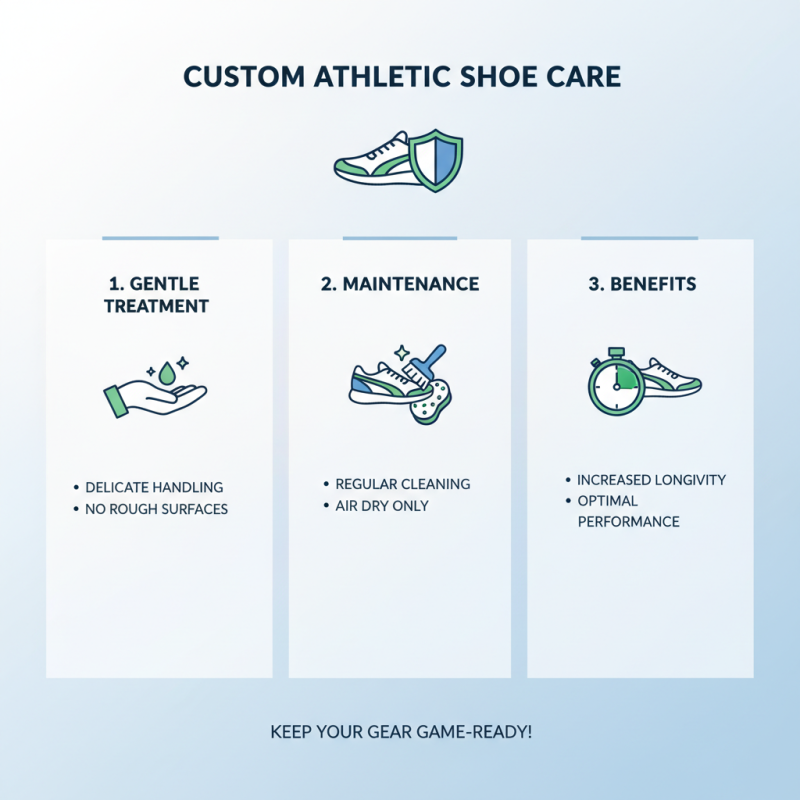
Caring for custom athletic shoes is essential for their longevity. Proper maintenance not only keeps them looking good but also ensures they perform well. Treat your shoes gently. Avoid rough surfaces to prevent unwanted wear.
Keep your shoes clean. Use a soft brush to remove dirt after each use. For tougher stains, a damp cloth can work wonders. Make sure to dry them completely. Leaving them damp can lead to unpleasant odors. If you feel there's too much grime, don’t hesitate to give them a deeper clean.
Tips: Rotate your shoes. Giving them a break allows them to breathe and recover. Store them in a cool, dry place, away from direct sunlight. This helps maintain their shape. Lastly, don’t ignore any signs of damage. Addressing issues early can save you from bigger problems later.