Top 10 Custom Athletic Shoes to Boost Your Business Sales?
The custom athletic shoes market continues to thrive, showing significant growth potential. In 2022, the global revenue for custom footwear reached approximately $5 billion. According to market analysts, this segment is projected to expand by over 10% annually. Industry expert Jasmine Lee highlights the importance of customization in boosting sales: “Personalized products resonate more with consumers, driving brand loyalty.”
Customization offers unique opportunities for businesses. Brands that embrace custom athletic shoes attract a more diverse clientele. This approach also allows for creative expression and personalization, meeting the specific needs of customers. The growing consumer demand for individualistic products is hard to ignore. However, companies often overlook the importance of quality and fit. Without these elements, even the most creative designs may fall flat.
Moreover, staying ahead requires constant innovation. Companies must regularly update their offerings based on customer feedback and trends. Some brands struggle to keep up, leading to missed opportunities. As the market evolves, businesses need to reflect on their strategies. Failing to adapt could result in losing potential customers to competitors. Investing in custom athletic shoes is more than a trend; it’s a pivotal step for growth in today's dynamic market.
Understanding the Importance of Custom Athletic Shoes in Business
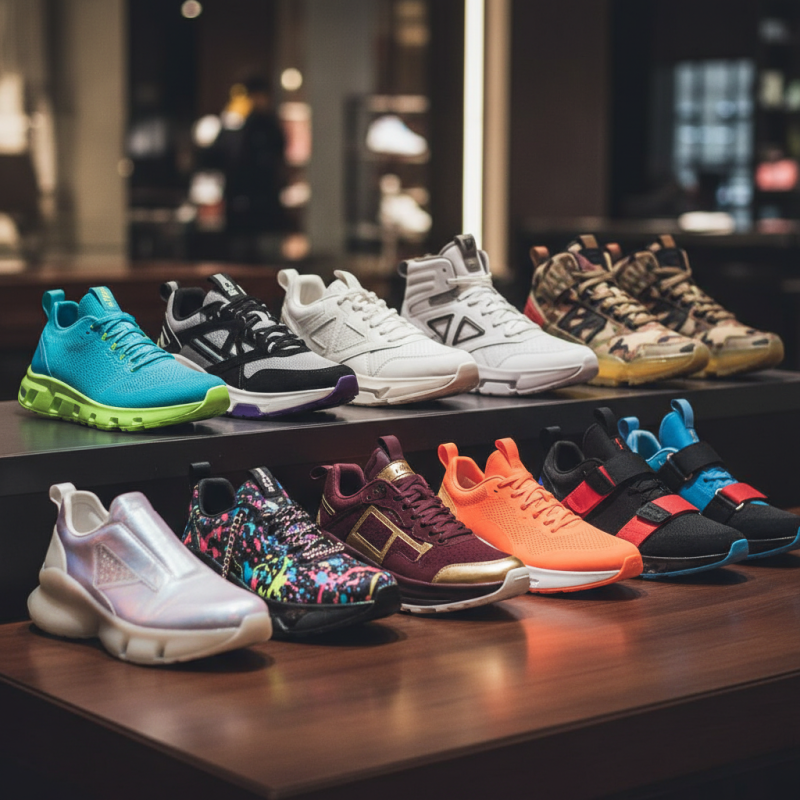
Custom athletic shoes play a significant role in business. They serve not just as footwear, but as a branding tool. When a company designs unique shoes, it creates a visual identity. This can attract a dedicated customer base eager to support the brand. Personalized designs resonate more with consumers, fostering loyalty.
Investing in custom athletic shoes can enhance customer experience. They often appreciate unique, quality products. Such items allow businesses to connect better with their audience. However, not all designs resonate well. Some may miss the mark, reflecting poorly on the brand. It’s vital to ensure designs align with the target market’s preferences.
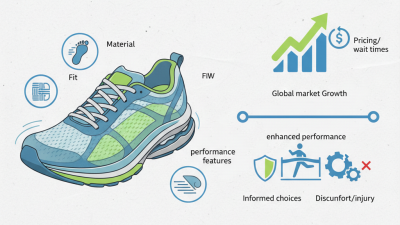
One must also consider pricing and production challenges. Custom shoes can be costly and time-consuming to produce. Balancing quality and cost remains crucial. Brands should be ready to adapt. Gathering feedback after launches can provide valuable insights. It encourages continuous improvement and innovation in designs.
Identifying Your Target Market for Customized Athletic Footwear
Understanding your target market is crucial for any custom athletic shoe business. A report from Statista suggests that the global athletic footwear market is expected to reach approximately $95 billion by 2026. This growth highlights the importance of knowing who your potential customers are.
Identifying trends in fitness and lifestyle is vital. Are you catering to serious athletes or casual gym-goers? Focus groups and surveys can provide valuable insights. According to a study by McKinsey, personalized products account for a significant increase in customer loyalty. Customers often seek styles that resonate with their unique identities.
It's essential to consider demographics like age, activity level, and gender. For instance, younger consumers tend to prioritize fashion and sustainability. Conversely, older consumers may value comfort and performance more. A report from Nielsen indicates that 66% of consumers are willing to pay more for sustainable products. This preference shows a market shift that entrepreneurs must adapt to. Understanding what drives different segments can refine your product development and marketing strategies.
Top 10 Custom Athletic Shoes to Boost Your Business Sales
| Shoe Model |
Price (USD) |
Target Market |
Customization Options |
Popularity Rating |
| Model A |
$120 |
Fitness Enthusiasts |
Color, Size, Logo |
4.5/5 |
| Model B |
$150 |
Casual Runners |
Color, Material |
4.7/5 |
| Model C |
$110 |
Professional Athletes |
Fit, Color |
4.9/5 |
| Model D |
$130 |
Youth Athletes |
Size, Graphics |
4.3/5 |
| Model E |
$140 |
Streetwear Fans |
Color, Text |
4.6/5 |
| Model F |
$125 |
Hikers |
Size, Color |
4.4/5 |
| Model G |
$135 |
Gamers |
Design, Color |
4.8/5 |
| Model H |
$155 |
Outdoor Enthusiasts |
Fit, Color |
4.5/5 |
| Model I |
$145 |
Dance Instructors |
Color, Style |
4.6/5 |
| Model J |
$115 |
CrossFit Lovers |
Color, Fit |
4.4/5 |
Top Features to Consider for Customizing Athletic Shoes
Custom athletic shoes have gained immense popularity among consumers. Personalization adds value, as research shows that 67% of buyers prefer customized products. When considering customization, several key features play a significant role in compelling sales.
One important feature is material selection. High-performance materials, such as breathable mesh or durable synthetics, enhance comfort and longevity. Studies reveal that comfort is a top priority for 75% of athletes when choosing shoes. Moreover, color and design options should be appealing, with 60% of consumers citing aesthetic appeal as a critical factor. Custom designs allow for brand differentiation, making shoes more memorable.
Another vital aspect is size personalization. Many buyers struggle to find perfect-fitting shoes, leading to dissatisfaction. Offering a wider range of sizes and customizable fits can solve this issue. Research also indicates that 80% of customers are willing to pay more for well-fitting products. However, brands must maintain quality control during the customization process. Many newcomers face challenges, such as inconsistent quality that can tarnish their reputation. Ensuring reliability in production is essential for long-term business success.
Designing Unique and Attractive Custom Shoe Models
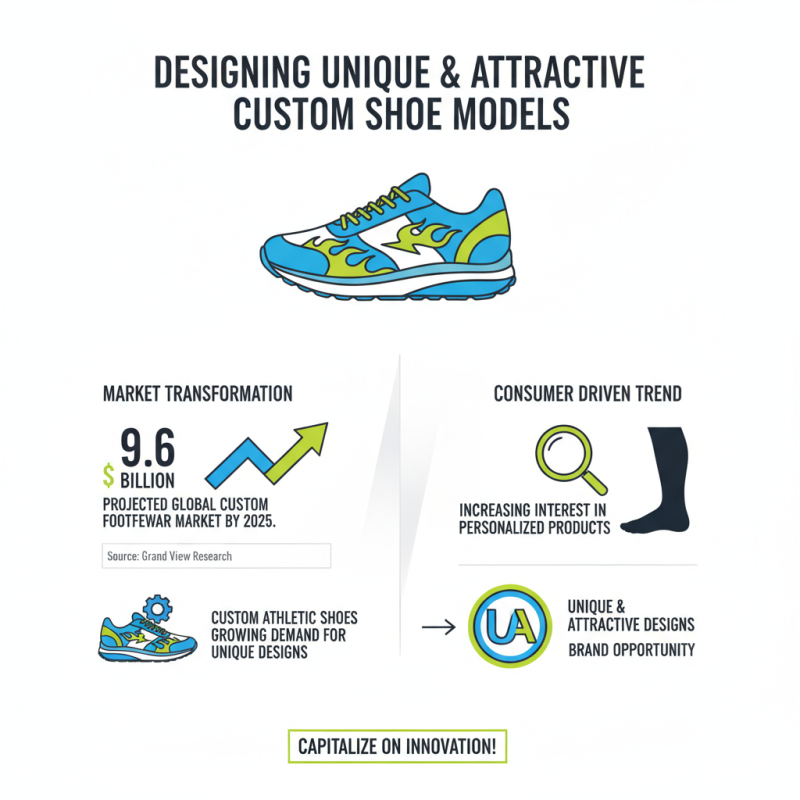
Custom athletic shoes are transforming the footwear market. The demand for unique designs is steadily growing. According to a recent report by Grand View Research, the global custom footwear market is projected to reach $9.6 billion by 2025. This surge reflects increasing consumer interest in personalized products. Brands can capitalize on this trend by focusing on unique and attractive designs.
Creating distinct shoe models requires a deep understanding of customer preferences. Surveys indicate that 70% of consumers are willing to pay more for customized products. Small businesses can benefit from embracing this customization. They can offer customers a chance to design shoes that reflect their personality or style. However, some brands struggle with their designs, lacking the balance between creativity and wearability.
Moreover, aesthetics should align with functionality. Many custom shoes fail to deliver on comfort. Data from the American Podiatric Medical Association shows that poorly designed shoes can lead to foot problems. Brands need to ensure that attractiveness does not compromise comfort or performance. By prioritizing evidence-based design practices, businesses can create shoes that appeal to both eye and foot.
Marketing Strategies to Promote Your Custom Athletic Shoe Line
When launching a custom athletic shoe line, effective marketing strategies are crucial. Research from the NPD Group shows that the online athletic footwear market grew by 25% in 2020. This surge in online shopping highlights the importance of a strong digital presence. Brands must invest in high-quality visuals and engaging content. Compelling storytelling can create emotional connections and lure customers to your products.
Social media platforms serve as vital marketing tools. According to Statista, 72% of Instagram users have purchased a product they saw on the app. Using targeted ads can enhance brand visibility. It’s essential to engage with followers regularly. Building a community around your brand fosters loyalty. However, maintaining consistent interaction can be challenging. It requires time and strategic planning.
Email marketing remains a powerful strategy. The Direct Marketing Association reported that email marketing has an ROI of $42 for every dollar spent. Regular updates and exclusive promotions can drive sales. However, not all campaigns yield the expected results. Testing different approaches and learning from analytics can refine your strategy. Adapting to customer feedback is crucial for long-term success.