Custom Running Shoes How to Choose the Best for Your Needs?
Choosing the right footwear for running is essential for performance and comfort. Custom running shoes can cater to your unique foot shape and running style. They offer a tailored solution to common issues like overpronation or discomfort.
When selecting custom running shoes, consider factors such as arch type, foot width, and your running terrain. Each individual's needs vary greatly. The design should prioritize fit and support. Finding the perfect pair may require trying different styles or brands.
It's easy to overlook these details. Remember, comfort is key. Poor choices can lead to injuries. Reflect on your running habits. This can guide you towards the best custom running shoes for your journey.
Understanding Your Foot Type: Arch Height and Gait Analysis
Understanding your foot type is crucial in choosing the right running shoes. Arch height plays a significant role in determining your shoe's fit and support. There are three main arch types: low, medium, and high. Each type requires specific cushioning and stability features in shoes. A low arch often leads to overpronation, while a high arch might cause underpronation. Knowing your arch type helps in selecting shoes tailored to your needs.
Gait analysis adds another layer of understanding. Observing your running pattern reveals how your feet interact with the ground. A professional gait analysis involves recording your movement and assessing your foot strike. Many runners may not realize they have an inefficiency in their stride. Analyzing your gait can uncover subtle issues, such as excessive rotation of the hips or misalignment in the knees. These aspects can be improved with the right shoe choice.
Foot shape and width also influence comfort and performance. Not all shoes fit the same, even if the size is identical. A narrow foot may slip inside a wider shoe, causing blisters. Meanwhile, wider shoes may not provide enough control for those with a broad foot. Test different models to find the best fit. Consider using inserts for additional comfort. Sometimes, the perfect shoe still requires adjustments. Embrace this refining process to enhance your running experience.
Custom Running Shoes: How to Choose the Best for Your Needs?
| Foot Type |
Arch Height |
Recommended Shoe Type |
Gait Type |
Common Issues |
| Neutral |
Medium |
Cushioned Shoes |
Neutral |
None |
| Overpronator |
Low |
Stability Shoes |
Overpronation |
Flat Feet, Shin Splints |
| Supinator |
High |
Cushioned Shoes |
Supination |
Heel Pain, Achilles Tendonitis |
| Flat Feet |
Low |
Motion Control Shoes |
Flat |
Knee Pain, Plantar Fasciitis |
| High Arches |
High |
Cushioned or Flexible Shoes |
Neutral/Supination |
Foot Fatigue, Ankle Pain |
Selecting the Right Materials for Comfort and Durability
Selecting the right materials for custom running shoes is crucial. Breathable fabrics play a significant role. Materials like mesh provide excellent ventilation, keeping your feet cool during runs. This helps prevent blisters and discomfort. Comfortable linings made from soft textiles also enhance the experience.
Durability is another key factor. Look for materials that can withstand wear and tear. High-quality rubber soles offer good traction and longevity. Make sure the upper part of the shoe is not only lightweight but also resistant to scuffs. Consider your running environment. Trail running shoes often feature sturdier materials than those designed for road running.
Experimenting with different combinations is essential. Some materials may feel great at first but wear out quickly. Reflect on your own experience with various shoes. Have they held up during longer runs? The goal is to avoid painful surprises. Make informed choices based on these factors, ensuring that comfort and durability both meet your personal needs.
Sizing Considerations: Finding Your Perfect Fit
Finding the right size for custom running shoes is crucial. Proper fit can enhance comfort and performance. Studies show over 70% of runners wear the wrong shoe size, leading to discomfort or injury. Start by measuring your foot's length and width. Stand on a piece of paper, tracing your foot to get accurate dimensions.
Consider the shape of your foot. Many people have high arches or flat feet, affecting their shoe choice. A report by the American Orthopedic Foot & Ankle Society indicated that incorrect sizing can lead to issues like blisters and calluses. Try on shoes in the afternoon. Feet tend to swell throughout the day, so this is when you’ll need the best fit.
Don't forget to consider the toe box. Your toes should have some space to move. A shoe that is too tight can cause discomfort during long runs. Research shows that a poorly fitting shoe can reduce running efficiency by up to 5%. Pay attention to how the shoe feels during movement. The right fit should feel snug but not restrictive. Remember, finding the perfect shoe can take time and experimentation. Keep an open mind about sizes and styles.
Choosing the Right Custom Running Shoes: Sizing Considerations
This chart displays the foot lengths corresponding to various USA shoe sizes, assisting you in choosing the best fit for your custom running shoes.
Evaluating Brand Reputation and Technology Innovations in Running Shoes
When selecting custom running shoes, it’s essential to consider brand reputation and technological innovations. A reliable brand often reflects years of research and development. Look for brands that prioritize athlete feedback and incorporate it into their designs. This builds trust and ensures their shoes meet runners’ needs.
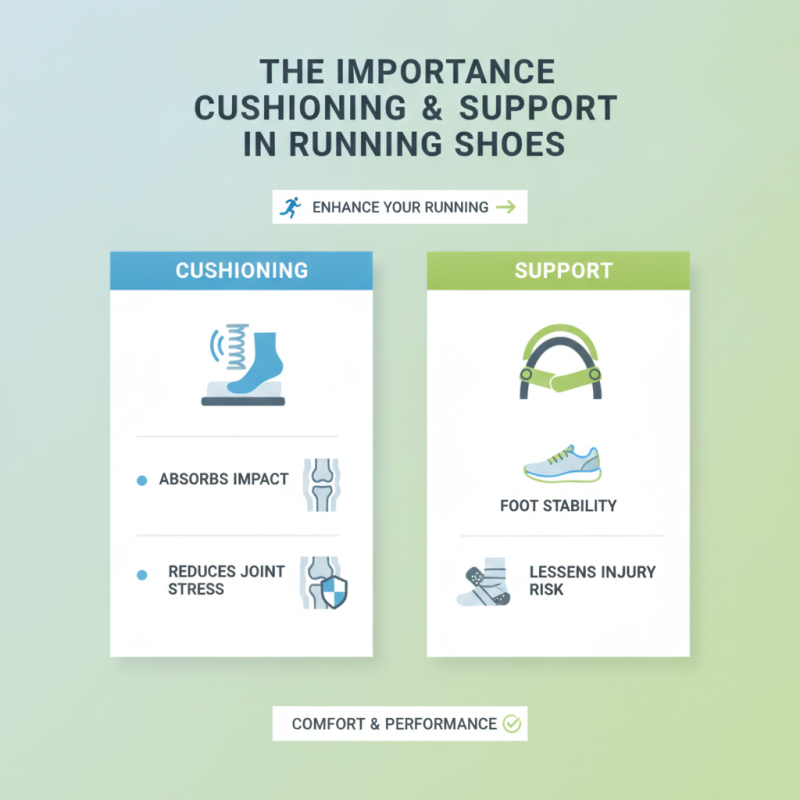
Technology innovations play a crucial role in enhancing performance and comfort. Many newer shoes feature advanced cushioning systems that adapt to your foot strike. This can reduce injury risk and improve your running experience. However, not all innovations are beneficial for every runner. Some may feel uncomfortable or not provide necessary support. Always test shoes before committing.
Evaluating brand reputation and technology should involve personal experience, as individual preferences vary widely. What works for one runner may not suit another. Read reviews and seek advice from fellow runners. Their insights could reveal potential limitations of specific technologies or brands. Personal reflection on your experiences enhances your understanding of what truly works for you.