How to Choose the Right Athletic Shoe Manufacturer for Your Brand?
Choosing the right athletic shoe manufacturer for your brand is crucial. The decision can greatly impact product quality and brand reputation. Industry expert John Smith, a veteran in shoe production, emphasizes, “A reliable manufacturer is key to a successful brand.” His experience underscores the importance of this choice.
The athletic shoe market is competitive. Brands must ensure their products meet consumer expectations. Selecting a trustworthy athletic shoe manufacturer can lead to superior performance and durability. However, not all manufacturers are created equal. Brands need to evaluate each potential partner's strengths and weaknesses.
Finding the right fit can be challenging. Many manufacturers offer various services and quality levels. Some may promise quick turnaround times but sacrifice quality. Reflecting on these factors can help brands avoid costly mistakes. Ensuring quality control and open communication with the manufacturer is vital. Strong partnerships can elevate a brand in the crowded market of athletic footwear.

Understanding the Market: Key Trends in Athletic Shoe Manufacturing
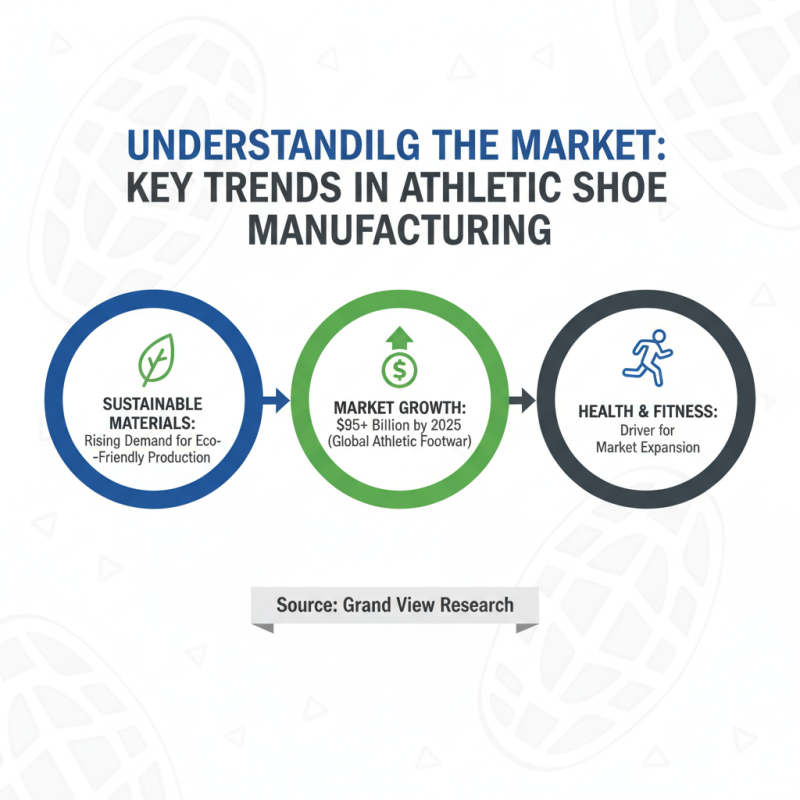
Athletic shoe manufacturing is evolving rapidly. In recent years, the market has seen a surge in demand for sustainable materials. According to a report by Grand View Research, the global athletic footwear market is expected to reach over $95 billion by 2025. This substantial growth is driven by increased health awareness and a rising trend in fitness activities.
Understanding material trends is crucial. Eco-friendly options like recycled plastics are gaining traction. However, many manufacturers struggle with sourcing consistent, high-quality materials. This inconsistency can lead to production delays and increased costs. A report from Allied Market Research indicates that 30% of brands are still hesitant to adopt fully sustainable practices. This hesitation could reflect a lack of understanding of consumer demand; 75% of shoppers prefer brands with sustainable initiatives.
**Tip:** Keep an eye on emerging materials. They can set your brand apart. Engaging with reliable suppliers who share your values is essential.
Brand collaboration with manufacturers is vital. Collaborating on design and technology can foster innovation. Yet, many brands miss this opportunity. Research from Statista suggests that integrating technology can enhance performance and consumer experience. But not every manufacturer is equipped for this.
**Tip:** Invest in manufacturers that prioritize R&D. This investment can improve product quality. Remember that relationships with manufacturers matter significantly.
Identifying Quality: Assessing Materials and Construction Techniques
When selecting an athletic shoe manufacturer, understanding materials and construction techniques is crucial. Quality materials greatly influence the shoe's durability and performance. According to the Athletic Footwear Market Report, 45% of consumers prioritize material quality when making purchasing decisions. This statistic highlights the importance of sourcing from manufacturers who use advanced materials like breathable mesh and shock-absorbing foams.
Construction techniques also play a significant role in athletic footwear. Techniques such as heat welding and injection molding enhance durability and fit. A study from the Footwear Distributors and Retailers of America indicated that shoes made with advanced techniques show 30% longer life in wear tests compared to traditional manufacturing methods.
However, not all manufacturers maintain the same level of quality. Some may cut corners, leading to products that do not meet market expectations. Checking for certifications or reviews can aid in assessing a manufacturer’s reliability. It’s essential to dig deeper and understand how a manufacturer sources materials and their production processes. There may be inconsistencies, making it vital to hold potential partners accountable.
How to Choose the Right Athletic Shoe Manufacturer for Your Brand? - Identifying Quality: Assessing Materials and Construction Techniques
| Category |
Material Type |
Construction Technique |
Durability Rating |
Breathability Rating |
Water Resistance |
| Running Shoes |
Mesh, EVA Foam |
Injection Molding |
8/10 |
9/10 |
Moderate |
| Basketball Shoes |
Synthetic Leather, Rubber |
Stitching and Bonding |
9/10 |
7/10 |
Low |
| Training Shoes |
Canvas, Rubber |
Direct Attach |
7/10 |
8/10 |
Moderate |
| Walking Shoes |
Leather, Mesh |
Cement Construction |
8/10 |
9/10 |
High |
| Trail Shoes |
Gore-Tex, Rubber |
Heat Sealed |
9/10 |
6/10 |
Very High |
Evaluating Manufacturer Reputation: Certifications and Client Reviews
Choosing the right athletic shoe manufacturer is crucial for your brand's success.
Evaluating manufacturer reputation is a key step.
Certifications can indicate quality. A reputable manufacturer should have relevant industry certifications, such as ISO 9001 or ASTM standards.
Client reviews provide vital insights. A survey by the American Footwear Association found that 75% of consumers trust online reviews as much as personal recommendations.
Look for consistent positive feedback across multiple platforms. Consider both numerical ratings and detailed comments. Experiences shared by other brands can be enlightening.
Keep in mind that no manufacturer is perfect. Some might excel in materials but struggle with production timing. Others may have great communication yet lack innovative designs.
Reflecting on potential gaps in their offerings can help you make a balanced decision. Crafting a partnership with the right manufacturer requires careful thought and consideration.
Comparing Costs: Balancing Quality and Price for Optimal Investment
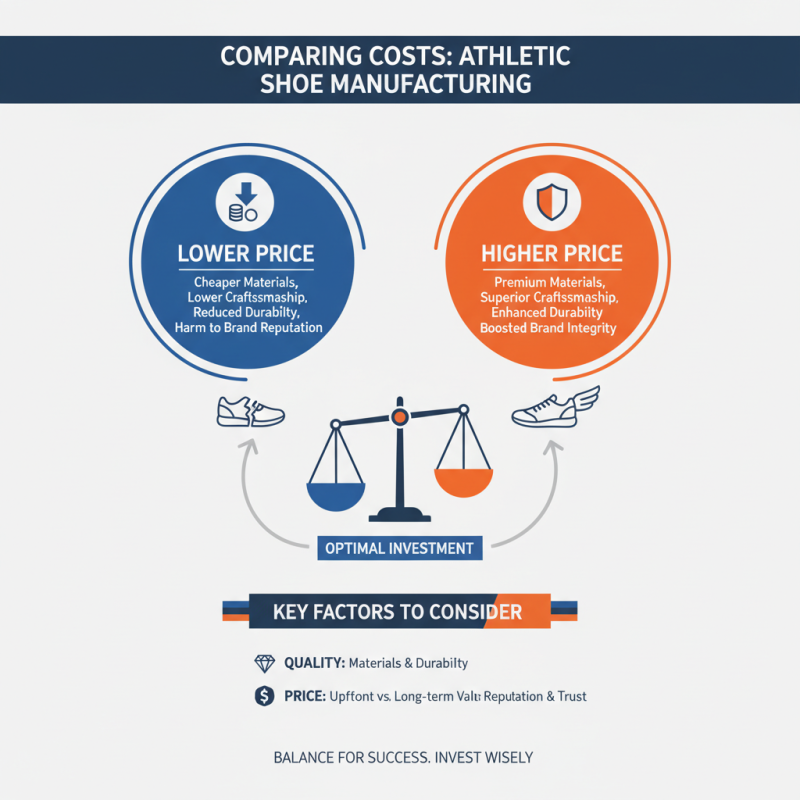
Choosing the right athletic shoe manufacturer involves a careful balance between cost, quality, and brand integrity. When assessing potential manufacturers, it's crucial to remember that price often reflects quality. Cheaper options may compromise on materials and craftsmanship. This trade-off can affect your brand's reputation over time. Investing a bit more upfront can lead to superior performance and durability in the long run.
Consider these tips when comparing costs: Research materials. Look for footwear made from high-quality, sustainable options. Understand production costs. Sometimes, manufacturers that provide transparent pricing yield better products. Aim for samples. Testing prototypes can reveal flaws before you commit, allowing you to make informed decisions.
Quality assurance during production is essential. Regular inspections can prevent defects. However, making cost-effective decisions without sacrificing your brand's standards is challenging. Reflect on the trade-offs you are making. Sometimes, a lower price seems attractive, but ask yourself: Is that worth potentially losing loyal customers? Balancing quality and price requires a keen eye and thoughtful strategy.
Analyzing Production Capabilities: Scalability and Lead Time Considerations
When selecting an athletic shoe manufacturer, evaluating production capabilities is crucial.
Scalability directly affects how well your brand can grow. A manufacturer’s ability to ramp up production can either support or hinder your business as demand fluctuates.
Small manufacturers might struggle to keep up during peak seasons, causing delays and lost sales.
Lead time must also be factored into your decision. A reliable timeline ensures that inventory arrives when needed.
Prolonged lead times can disrupt sales cycles and harm customer satisfaction. It's vital to inquire about a manufacturer’s typical turnaround times.
Some may promise quick shipments but fail to deliver consistently.
Consider visiting production facilities if possible. This firsthand experience can provide insight into their operational efficiencies.
Assessing their quality control process is equally important. A manufacturer might boast scalability, but if quality suffers, it could compromise your brand's reputation.
Always question previous client experiences. Reflecting on past challenges can guide you toward better choices for your brand's future.