In the competitive world of sports, athletes strive for every advantage. Custom athletic footwear has emerged as a key factor in enhancing performance. A report from the Sports Footwear Association indicates that customization can boost efficiency and reduce injury risk by up to 30%. This emphasizes the importance of selecting the right footwear tailored to individual needs.
Many athletes find themselves overwhelmed by choices. Opting for custom solutions often requires a deeper understanding of personal biomechanics. Poorly fitting shoes can lead to blisters or worse. The nuance of selecting a shoe involves not just size but also foot shape, arch support, and cushioning preferences. Failure to consider these factors may hinder an athlete’s potential.
As technology advances, manufacturers offer increasingly innovative options. However, the best custom athletic footwear still derives from a mix of data and personal experience. Athletes must critically evaluate their needs. It's vital to balance innovation with practicality to find the ideal match.
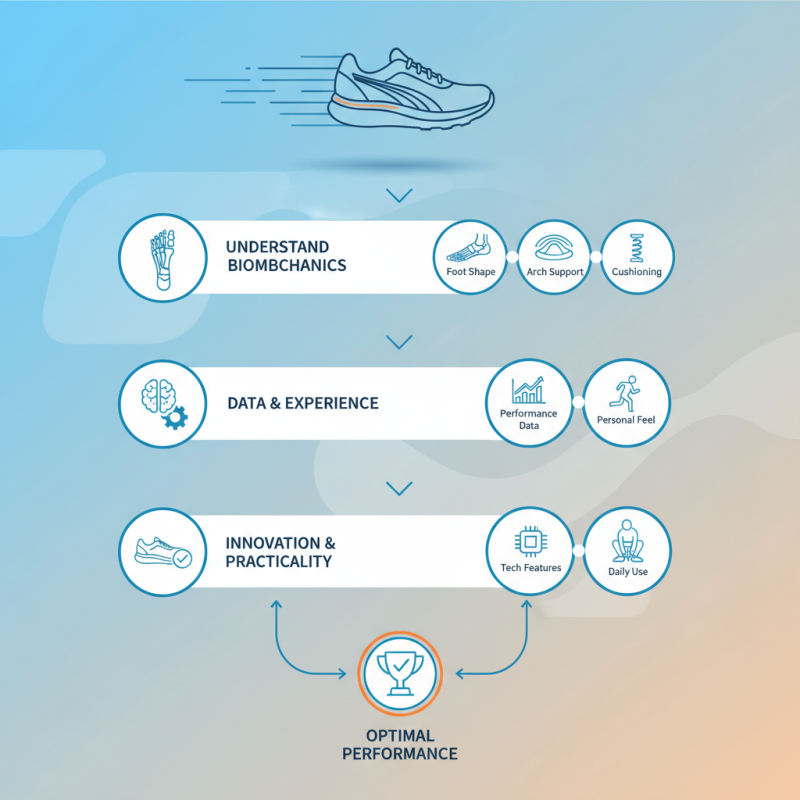
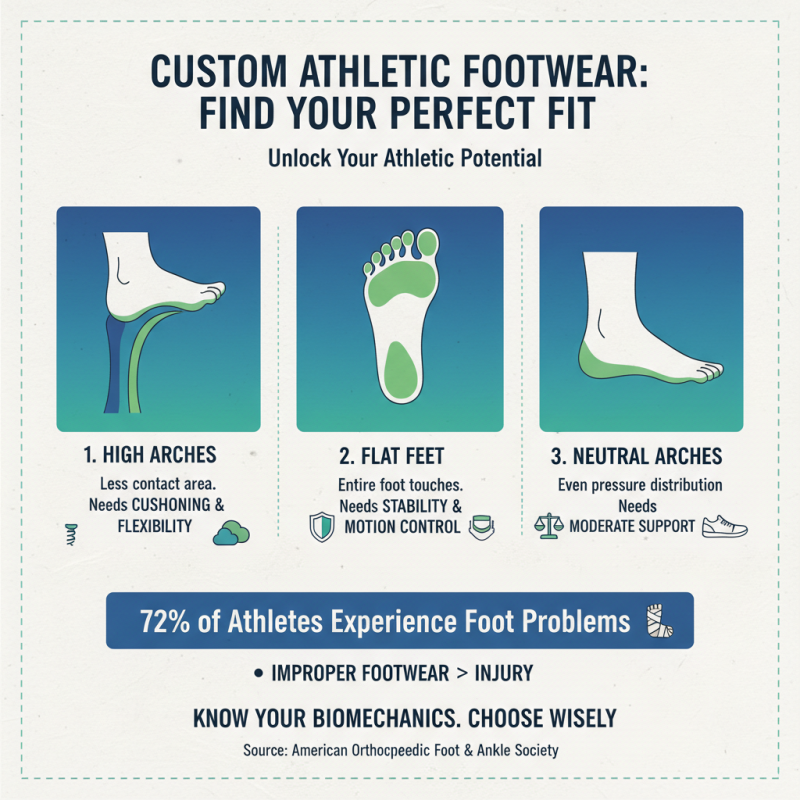
Understanding your athletic needs and foot structure is key to choosing custom athletic footwear. A study from the American Orthopaedic Foot & Ankle Society highlights that over 72% of athletes experience foot problems. These issues often stem from improper footwear. Each athlete has unique biomechanics that influence their foot's shape and arch. Knowing whether you have high arches, flat feet, or neutral arches can guide you in making the right choice.
Foot structure directly affects performance. Research from the Journal of Sports Sciences reveals that the correct shoe can reduce injuries by up to 50%. Poor-fitting shoes can lead to blisters, calluses, and even long-term injuries. It's crucial to consider your activity type. Runners, for example, need different support compared to basketball players. Custom footwear can accommodate specific needs, providing the right balance and stability.
In fitting, take time to measure your foot. Our feet change over time; they can widen or lengthen. A 2021 survey indicated that 30% of participants wore the wrong shoe size. This can hinder performance. Consider the cushioning and flexibility required for your sport. A shoe that excels in one area may falter in another. Tailored choices can amplify performance while decreasing the risk of injury. Focus on these individual metrics for a more effective training experience.
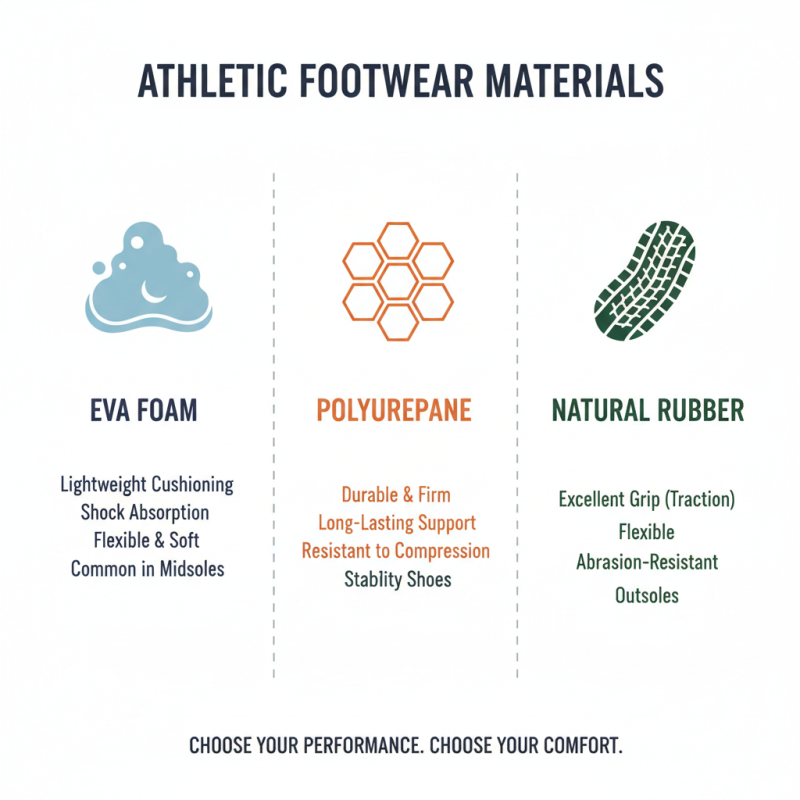
Choosing custom athletic footwear involves understanding the types of materials available. The right material can enhance performance and comfort. Common options include EVA foam, polyurethane, and natural rubber, each offering varied benefits.
EVA foam is lightweight and provides good cushioning. It absorbs impact well, reducing stress on joints. A study by the Journal of Sports Science indicates that athletes using EVA footwear experienced a 15% improvement in recovery time. Polyurethane, though heavier, offers excellent durability and support. For runners, it can enable better energy return, translating to improved running efficiency.
**Tip:** Consider your activity level when selecting materials. If you run daily, prioritize cushioning and lightweight options like EVA.
Natural rubber is eco-friendly and provides strong traction. It can be a suitable choice for various sports, ensuring stability on different surfaces. However, it might wear out faster than synthetic options.
**Tip:** Evaluate your terrain. If you often run on trails, prioritize durability and grip.
Custom footwear can significantly impact performance. Understand the materials to identify the best fit for your needs.
When selecting custom athletic footwear, evaluating fit plays a crucial role. A proper size ensures better performance and prevents injuries. Shoes that are too tight can cause blisters. On the other hand, those that are too loose affect stability. Consider your arch type. A high arch needs different support than a flat foot. Find the right balance for comfort and performance.
Trying on shoes is essential. Walk around. Pay attention to areas that feel tight or loose. Move your toes; they should have enough space. Flex the shoe; it should bend at the ball of your foot. If the heel slips, it's likely not the right fit. Remember, size can vary between styles. Consider your needs.
Assessing your comfort level is vital. If a shoe doesn’t feel right, it’s worth reconsidering. Be aware of your foot's shape and any specific issues. A small size difference can lead to discomfort during long workouts. Reflect on your routine. Do you need something more durable or lightweight? Testing multiple options will provide insights into what works best for you.
Choosing the right athletic footwear can significantly impact performance. Footwear technologies focus on enhancing comfort, support, and traction. Cushioning materials play a critical role in reducing impact. Some shoes use foam composites for better shock absorption. This technology adds a layer of comfort during intense activities.
Another key aspect is the outsole design. A well-designed outsole can improve grip on different surfaces. Some shoes feature multi-directional lugs for better traction during quick movements. The upper material also matters; breathable fabrics can prevent overheating. However, some may find that a lightweight shoe sacrifices essential support.
Footwear technology is evolving quickly. While some advancements are impressive, not every innovation suits every athlete. Personal comfort remains subjective. Testing different options before commitment is wise. Reflecting on personal experiences can uncover what truly enhances performance. Choose wisely for optimal results.
Choosing custom athletic footwear involves careful consideration and expert advice. It can be overwhelming to navigate through the endless options available. Consulting with experts becomes crucial in this process. They can evaluate your foot type, gait, and specific athletic needs. An experienced specialist can offer tailored recommendations based on your performance goals.
During consultations, don't hesitate to share your challenges. Are you dealing with discomfort or injuries? Experts can analyze your running mechanics and suggest suitable footwear. They might also recommend custom insoles for added support. This personalized approach minimizes the guesswork, allowing you to focus on your performance.
Sometimes, recommendations may not immediately feel right. You might need time to adapt to new footwear. It's important to reflect on how they perform during activities. If you notice any persistent discomfort, revisit the expert for further adjustments. Keeping an open dialogue helps refine your choices for optimal results.
| Feature | Consideration | Expert Recommendation |
|---|---|---|
| Foot Type | Determine if you have flat, neutral, or high arches. | Consult with a podiatrist to assess your arch type. |
| Activity Type | Identify if you need shoes for running, training, or court sports. | Seek advice from a coach familiar with your sport's requirements. |
| Fit and Comfort | Ensure there is enough room in the toe box and around the heel. | Try on shoes at the end of the day for a better fit. |
| Cushioning | Consider how much cushioning you need for impact absorption. | Consult with a footwear specialist for options based on your weight and play style. |
| Breathability | Look for materials that allow air circulation to keep feet cool. | Ask about mesh upper designs that facilitate airflow. |
| Durability | Evaluate the materials for wear resistance according to your activity frequency. | Consult a professional to assess durability against your training intensity. |