How to Choose the Best Sneaker Manufacturer for Your Brand?
Choosing the right sneaker manufacturer is crucial for any brand looking to succeed in the competitive footwear market. Industry expert Jane Smith, a seasoned professional in sneaker production, once said, “Finding the perfect manufacturer can make or break your brand.” Her insight reflects the significant impact that the right manufacturing partner can have on product quality and brand reputation.
Numerous choices exist in the sneaker manufacturing landscape. It's essential to understand what each potential partner offers. Some manufacturers focus on cost-efficiency, which may compromise quality. Others prioritize craftsmanship but come with a higher price tag. Balancing these aspects is crucial for a successful partnership. Brands must carefully evaluate their priorities and goals before making a decision.
Communication is another vital factor. Clear and constructive dialogue with your sneaker manufacturer can lead to better results. However, miscommunication often leads to costly mistakes. Brands should seek a manufacturer who values transparency and collaboration. Developing a strong partnership requires patience and a willingness to address challenges together. Without this, both parties may find themselves in a difficult situation.

Identifying Your Brand’s Sneaker Needs and Goals
Identifying your brand's sneaker needs and goals is crucial. Start by defining your target audience. Who are they? What do they value? Understanding their preferences helps shape your sneaker design. For example, are they looking for comfort, style, or performance? Knowing this will guide your choices in materials and features.
Next, think about your brand’s message. What do you want to communicate with your sneakers? Is sustainability a priority for you? If so, consider eco-friendly materials and processes. Reflecting on these aspects will help you narrow down potential manufacturers. You may find that some sources cannot fulfill your ideals. It’s a learning process.
Finally, consider production capabilities. What is the minimum order quantity? Can they scale with your growth? Manufacturers vary in their flexibility. This could be a challenge as your needs change. Avoid rushing the decision. It’s better to invest time upfront to ensure a good fit for your brand.
Researching Potential Sneaker Manufacturers and Their Specialties
Selecting the right sneaker manufacturer is crucial for any brand looking to make its mark in the industry. Researching potential manufacturers involves understanding their specialties. Many manufacturers specialize in specific materials, styles, or technologies that could align with your brand vision. According to a recent industry report, over 70% of successful sneaker brands collaborate with manufacturers who possess unique capabilities tailored to their product lines.
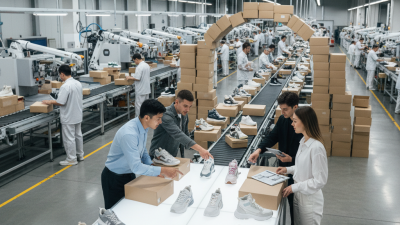
It's essential to gather detailed information about each manufacturer's production processes. Visiting factories, when possible, can provide insights into quality standards. During these visits, you may encounter challenges. For instance, some manufacturers may not meet your expected timelines. This could affect your product launch. Additionally, evaluating past projects can highlight how well a manufacturer adapts to various demands. Remember, not every manufacturer is transparent about their strengths and weaknesses.
Industry data suggests that approximately 60% of startups face difficulties choosing the right manufacturing partner. This is often due to a lack of research into their specializations. Diving deep into a manufacturer's expertise — whether it’s sustainable fashion, technical performance, or aesthetic design — can help avoid misalignment. Engage in discussions with the manufacturers, ask questions, and consider their responses critically.
Sneaker Manufacturer Specialties Comparison
Evaluating Quality Standards and Production Capabilities
When selecting a sneaker manufacturer, evaluating quality standards is critical. Companies often overlook this aspect, leading to issues down the line. According to a recent industry report, 30% of brands experienced quality control problems in their production cycles. This percentage is significant and highlights the importance of rigorous quality checks.
Production capabilities also play a vital role in the selection process. Many manufacturers can produce in large volumes, but their technology varies. Research indicates that advanced automation increases production efficiency by 20-30% compared to traditional methods. Brands must question whether their chosen manufacturer can adapt to their specific needs and scale operations if necessary.
It’s essential to examine how manufacturers handle accountability. Some may promise high quality yet fall short. It’s crucial to ask for samples and check certifications. The industry standard dictates compliance with international quality norms, yet not every manufacturer adheres to these guidelines. The gap between promises and reality needs careful reflection before making a decision.
Assessing Cost, Minimum Order Quantities, and Payment Terms
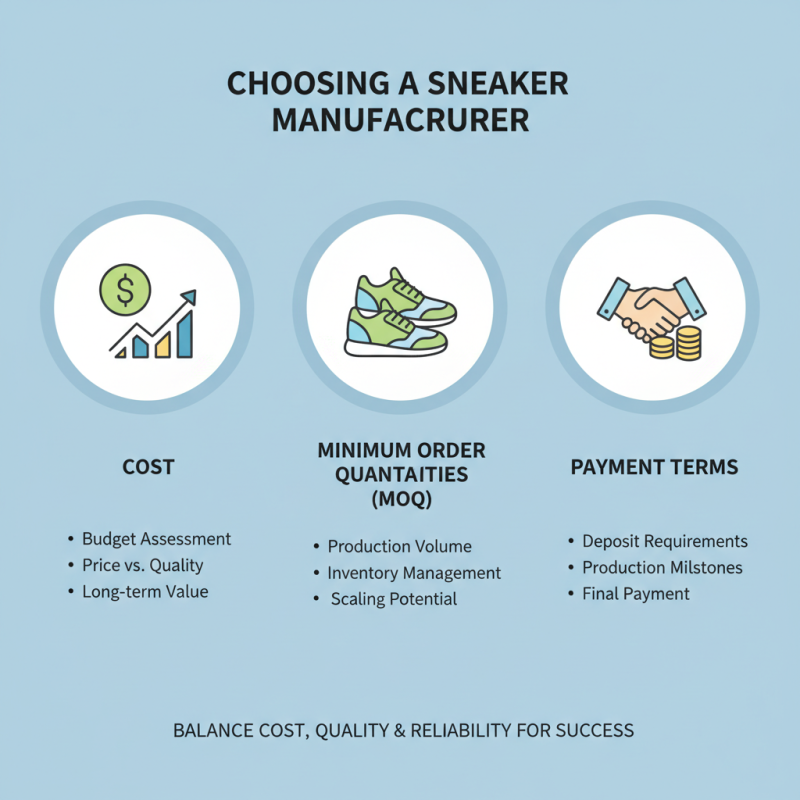
When choosing a sneaker manufacturer, consider important factors like cost, minimum order quantities, and payment terms. Start by assessing your budget. Different manufacturers have varying price ranges. Some may offer lower costs but lack quality. It's essential to strike a balance. A cheap sneaker might save initial costs but could lead to poor customer feedback.
Minimum order quantities (MOQs) play a crucial role. Some manufacturers require large orders, which can be challenging for new brands. You might end up with excess inventory. Ensure the MOQ aligns with your projected sales. A manageable MOQ allows you to test the market without big risks.
Payment terms are another vital aspect. Some manufacturers require full payment upfront, while others offer more flexible arrangements. Look for terms that fit your cash flow. Delayed payments can provide breathing room, but they might come with higher costs. Always read the fine print. Evaluate how each of these factors impacts your overall strategy. Making the right choice could drive your brand's success.
Establishing Communication and Collaboration During the Manufacturing Process
Effective communication is vital during the sneaker manufacturing process. A recent industry report emphasizes that 75% of successful partnerships stem from clear dialogue. When you share your vision early, it sets the tone for collaboration. Regular updates bridge gaps and foster trust. For instance, holding weekly check-ins can clarify potential issues. This practice helps prevent misunderstandings that could derail your project.
Tip: Use visual aids. They can enhance understanding and ensure everyone is on the same page. Sketches, color swatches, or prototypes can be very revealing. They help your manufacturer grasp your concept better.
Collaboration often reveals an unexpected challenge. Manufacturers may not understand your market. A survey found that 60% of brands faced misalignment due to cultural differences. Addressing these issues is essential for creating a successful sneaker line. Provide market insights to your manufacturer. This will enable them to align production strategies effectively.
Tip: Foster a feedback loop. Encourage your manufacturer to share their insights. They can provide valuable perspectives on material sourcing or design feasibility. Open communication allows for proactive problem-solving, ultimately benefiting both parties.