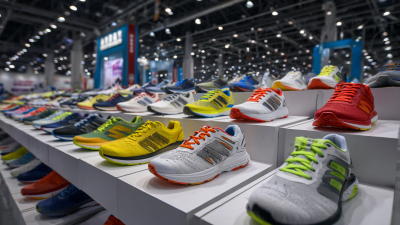
What is the Best Athletic Shoe Manufacturer for Global Buyers?
The global athletic shoe market is booming. It reached a value of approximately $64 billion in 2021, with projections to exceed $100 billion by 2026. This growth is driven by increasing fitness awareness and a rising trend in sports participation. Choosing the right Athletic Shoe Manufacturer is crucial for global buyers. The footwear industry is saturated, with numerous players vying for market share. Brands like Nike and Adidas dominate, but emerging companies are gaining traction.
Manufacturers must focus on quality, innovative designs, and sustainability. Recent reports highlight that 80% of consumers consider environmental impact in their purchasing decisions. This shifts the focus towards manufacturers that prioritize eco-friendly practices. However, challenges remain; not all companies consistently deliver on quality or ethical production. With rising competition, brands must be transparent about their sourcing and manufacturing processes.
Selecting an athletic shoe manufacturer requires more than just brand recognition. Buyers face a complex landscape of options, each with unique strengths and weaknesses. Research and reliable reviews are essential in guiding informed choices. Understanding industry trends and consumer needs can enhance decision-making for global buyers in this vibrant market.
Overview of the Global Athletic Shoe Market
The global athletic shoe market is rapidly evolving, driven by changing consumer preferences and technological advancements.
According to a recent market research report, the athletic footwear segment is projected to grow significantly, reaching
over $100 billion by 2025. This growth reflects a shift towards
health-conscious lifestyles, where more individuals prioritize fitness and outdoor activities.
Emerging markets contribute to this trend, with increasing purchasing power and a growing interest in sports.
The Asia-Pacific region, in particular, shows a rising demand for affordable yet quality athletic shoes.
Meanwhile, sustainability remains a crucial concern, with consumers increasingly seeking
environmentally friendly options.
However, companies often struggle to balance cost and sustainability, leading to complex challenges in manufacturing processes.
Consumer preferences are shifting towards comfort and style.
The rise of e-commerce has changed how consumers shop, creating new opportunities and challenges.
Many brands have not fully adapted to this shift, indicating a potential gap in meeting consumer needs.
Data shows that nearly 70% of shoppers prefer purchasing athletic shoes online,
yet some companies remain focused on traditional retail channels.
This disconnect highlights the need for brands to innovate and better understand their audience.
Key Factors Influencing Athletic Shoe Purchases
When considering athletic shoe purchases, several key factors come into play.
Comfort ranks high on the list.
According to a recent industry report, 78% of consumers prioritize comfort when selecting athletic footwear.
This reflects an understanding that discomfort can lead to performance inefficiencies and potential injuries.
Buyers carefully analyze cushioning, arch support, and toe box space.
Durability is another critical element.
Data shows that 65% of consumers seek shoes with high-quality materials that withstand frequent use.
Long-lasting footwear contributes to overall satisfaction and reduces the need for frequent replacements.
However, some shoes marketed for durability may sacrifice flexibility, leading to potential conflicts for athletes.
Price sensitivity cannot be overlooked.
Approximately 57% of buyers are influenced by cost versus quality.
However, a budget shoe may not provide adequate support or technology, affecting performance.
This creates a dilemma for knowledgeable consumers.
Balancing cost with desired features is a common challenge.
Athletes need to reflect on their needs and values when making a purchase.
Top Athletic Shoe Manufacturers: A Comparative Analysis
When analyzing the best athletic shoe manufacturers for global buyers, several factors come into play. Quality, comfort, and innovation are crucial. According to a recent market report, the global athletic footwear market was valued at over $64 billion in 2022. This figure highlights the competition among leading manufacturers.
Manufacturers are increasingly focusing on sustainable materials. A survey indicated that 72% of consumers prefer brands that prioritize eco-friendly practices. However, not all brands deliver on this promise consistently. Some claim sustainability but lack transparency in their sourcing methods, leaving consumers questioning the authenticity of these claims.
Additionally, performance is essential to athletes. Technology integration in footwear, like cushioning and stability features, enhances user experience. However, discrepancies exist. Certain models may excel in comfort but compromise on durability, leading to potential safety concerns. Buyers need to consider both the technology and the long-term reliability of the products they choose.
Customer Preferences and Trends in Athletic Footwear
A significant trend in athletic footwear is the growing focus on sustainability. Many buyers now prefer shoes made from recycled materials. They seek products that reduce environmental impact. This awareness reflects a global movement towards eco-conscious living. In addition, consumers value transparency about production processes. They want to know how their shoes are made.
Comfort remains a top factor for buyers. Many people search for shoes that provide excellent support. Cushioning and fit are crucial to prevent injuries. Athletic activities often require a tailored fit. This is especially true for running and court sports. Buyers increasingly rely on reviews and recommendations. Personal experiences shared online shape buyer decisions.
Price also plays a key role in consumer choices. While some prioritize premium quality, others seek budget-friendly options. Importantly, the style and aesthetics of shoes cannot be ignored. Many choose footwear that reflects their personal style. It’s a blend of function and fashion. However, some buyers struggle to find the right balance. They face dilemmas between price, appearance, and performance. It’s a complex landscape that continues to evolve.
Global Preferences in Athletic Footwear
Sustainability and Innovation in Athletic Shoe Manufacturing
The athletic shoe industry is evolving rapidly, with sustainability becoming a focal point. Innovative materials like recycled plastics and bio-based rubbers are gaining traction. According to a report from ResearchAndMarkets, over 30% of footwear brands aim to integrate sustainable materials by 2025. This shift is driven by consumer demand for eco-friendly options and corporate responsibility initiatives. It’s refreshing to see brands responding to environmental concerns.
However, the transition to sustainable production isn’t without its challenges. Many manufacturers struggle with sourcing and processing new materials. This can lead to increased costs, affecting product pricing. A survey from Business of Fashion highlighted that 40% of brands face significant hurdles in supply chain transparency. Consumers are becoming more aware, pressuring companies to take ownership of their sustainability practices.
**Tip:** Look for shoes with certifications like Global Recycling Standard. These labels can guide you toward environmentally friendly choices.
Balancing innovation and sustainability can lead to thoughtful designs. The best concepts may take time to develop and refine. Brands should adopt a mindset of continuous improvement. Being sustainable should not compromise performance. Every step in the supply chain affects the final product.
What is the Best Athletic Shoe Manufacturer for Global Buyers? - Sustainability and Innovation in Athletic Shoe Manufacturing
| Manufacturer |
Sustainability Initiatives |
Innovative Technologies |
Market Reach |
Average Price Range (USD) |
| Manufacturer A |
Recycled materials in 50% of products |
3D Printing technology |
Global presence in over 100 countries |
80-200 |
| Manufacturer B |
Carbon offset program |
Smart shoe technology |
Strong in North American and European markets |
100-250 |
| Manufacturer C |
Water conservation efforts |
Biodegradable materials |
Emerging markets focus |
60-150 |
| Manufacturer D |
Fair labor practices certification |
Adaptive fit technology |
Market leader in Asia |
90-220 |