2026 Best Korean Oem Sneaker Factory for Quality Footwear Production?
In the competitive world of footwear production, the choice of a reliable Korean OEM sneaker factory is pivotal. The global sneaker market is projected to reach $95.14 billion by 2025, according to a report by Allied Market Research. This underscores the demand for high-quality manufacturing in regions renowned for craftsmanship, like South Korea. "Korean OEM sneaker factories exemplify quality and innovation," states Dr. Jihoon Kim, an industry expert with over 15 years of experience in footwear technology.
Navigating this landscape, brands must prioritize partnerships with factories that adhere to rigorous quality standards. With fierce competition, quality assurance is no longer optional; it's essential. As we examine leading manufacturers in 2026, emphasis on sustainable practices and ethical labor will drive success. Many factories are still grappling with the balance between cost efficiency and quality. This reflects a critical area for improvement within the sector.
Emerging trends indicate that customization and performance features are setting the pace for future designs. While some factories excel, others fall short, highlighting the need for continuous evaluation in production processes. This dynamic environment presents unique challenges and opportunities for those seeking to partner with a Korean OEM sneaker factory.
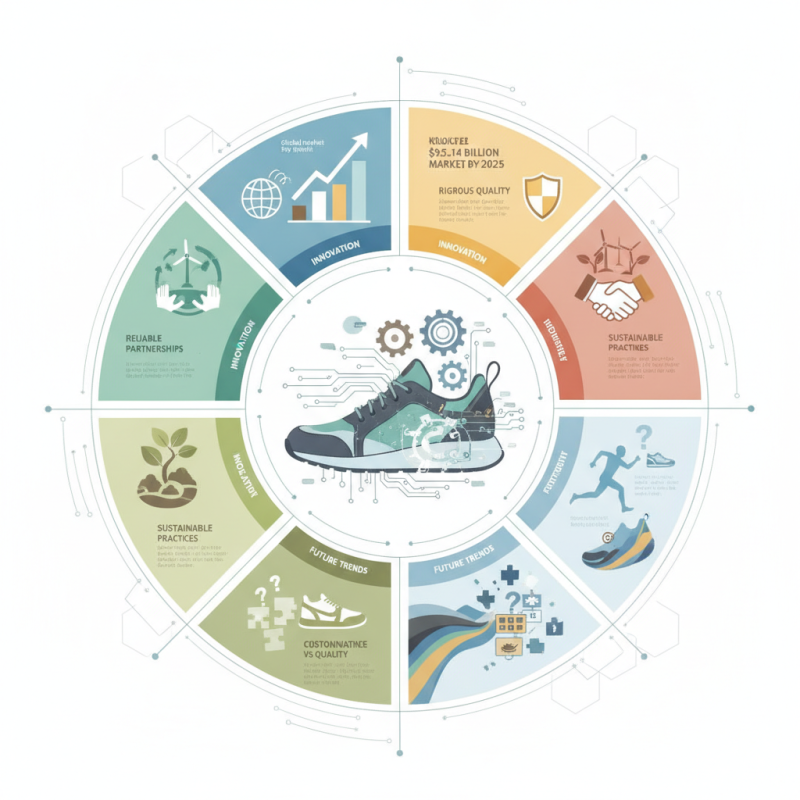
Overview of Korean OEM Sneaker Manufacturing Industry
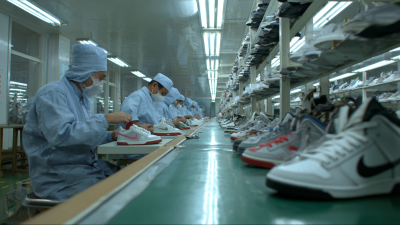
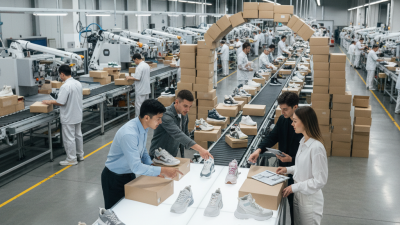
The Korean OEM sneaker manufacturing industry is renowned for its quality and innovation. With advanced technology and skilled labor, factories in Korea produce sneakers that meet global standards. Many brands turn to these manufacturers for high-quality footwear that combines style and functionality. This industry thrives on collaboration, where brands can communicate their design visions to skilled craftsmen.
Tips: When choosing a factory, research their production capabilities. Look for certifications that demonstrate their commitment to quality. Consider factories that are adaptable to changing sneaker trends.
Korean manufacturers focus on sustainable practices. They invest in eco-friendly materials and processes. This commitment is essential for brands looking to improve their environmental impact. However, maintaining sustainability can be challenging. Each step must be carefully monitored to ensure minimal waste.
Keeping up with market trends is crucial for success. Korean factories are known to adapt quickly. Nevertheless, constant change can lead to challenges in production schedules. It is vital to maintain open communication throughout the manufacturing process. This helps avoid misunderstandings and ensures timely delivery of products.
Key Factors for Selecting a Quality OEM Sneaker Factory
Selecting a quality OEM sneaker factory is crucial for footwear brands aiming for excellence. The footwear industry is projected to reach $530 billion by 2027, highlighting the demand for high-quality products. An effective factory must prioritize quality control, worker conditions, and sustainability practices. According to recent industry reports, 68% of consumers prefer brands that are environmentally responsible. Ensuring that the factory follows these principles is key.
Consider the factory’s certifications. Look for ISO certifications, which indicate adherence to international quality standards. A factory with solid experience is also a good sign. Those with over 10 years in the business often have refined processes. Communication plays a big role, too. Factories that provide clear updates on production status often lead to better end results.
Tips: Assess sample quality thoroughly. A poor sample can indicate future issues. Visit the factory if possible. Physical inspections reveal details that could impact your brand. Keep an eye on production timelines; delays could signal larger problems. Look for flexibility in customization options, which can adapt to changing trends.
Top Korean OEM Sneaker Factories in 2026
The Korean sneaker market is booming. In 2026, many OEM factories stand out. They focus on quality and innovation. Each factory has unique strengths. Some excel in eco-friendly materials, while others focus on specialized sports designs. This diversity offers endless options for sneaker brands worldwide.
Tips for choosing the right factory: Look for certifications in quality management. Verify their production capacity through site visits. Communication is key. Ensure they understand your vision. This is crucial for collaboration.
Finding a reliable factory can be challenging. Evaluate their past projects and ask for references. Some factories may lack experience with specific materials. Take your time in the selection process. It will pay off in the end. Quality matters, and the right partner can make a significant difference in your product.
Quality Control Measures in Footwear Production
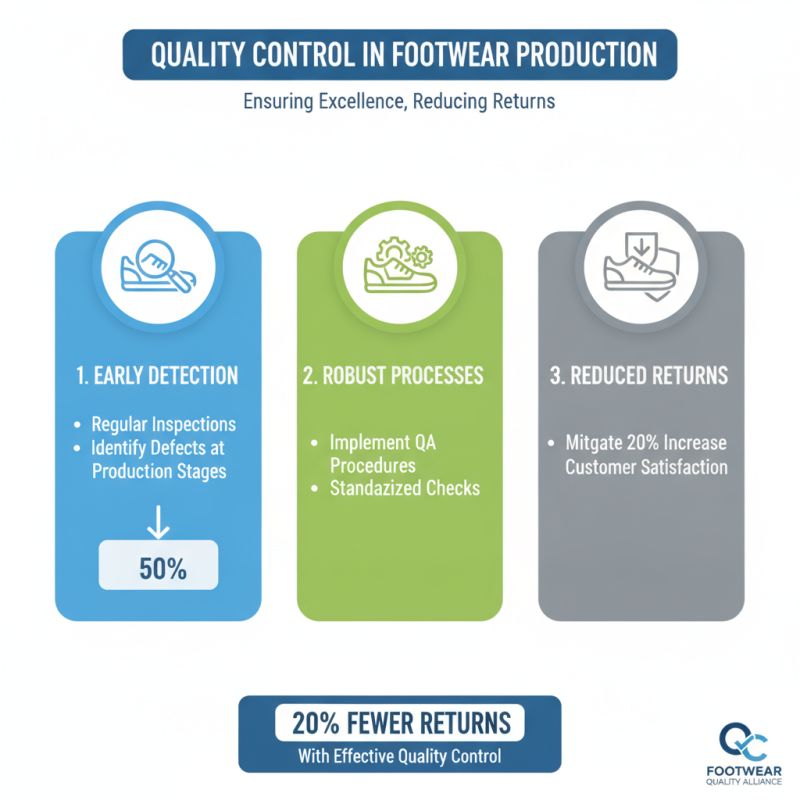
Quality control is fundamental in footwear production. Reports indicate that inconsistencies in quality can lead to a 20% increase in returns. To mitigate this, factories must implement robust quality assurance processes. Regular inspections at different production stages can identify defects early.
In the Korean OEM sneaker industry, the adoption of advanced testing technologies is on the rise. For instance, a recent study revealed that 75% of leading factories now utilize automated systems for material testing. This shift not only enhances precision but also improves overall efficiency. However, this technological shift does not eliminate human error. Skilled technicians are still needed to interpret data and make critical decisions.
A transparent supply chain significantly impacts production quality. Many factories struggle with communication between suppliers and manufacturers. Poor communication can cause delays and lead to subpar materials being used in production. It’s essential for factories to foster strong relationships with their suppliers for better quality outcomes. Despite improvements, challenges remain, reminding the industry that perfection is an ongoing journey.
Future Trends in Korean Sneaker Manufacturing
South Korea is carving a niche in sneaker manufacturing. The industry is evolving, focusing on innovation and sustainability. Future trends emphasize eco-friendly materials and advanced production techniques. Manufacturers are exploring ways to reduce waste while improving their product line.
Customization is another key trend. Consumers now seek sneakers that reflect their personal style. Factories are adopting flexible production systems. This shift enables smaller runs and unique designs. Technology plays a crucial role. 3D printing and digital design are revolutionizing the production process.
Tips: Always stay informed about emerging materials. Engage with suppliers who prioritize sustainability. Regularly assess your production methods for efficiency. Keep in mind that consumer preferences can shift rapidly. One mistake can be costly, especially in a competitive market. Adaptability is vital in the sneaker industry.
2026 Best Korean Oem Sneaker Factory for Quality Footwear Production
| Factory Location |
Production Capacity (Pairs/Month) |
Quality Certification |
Sustainable Practices |
Lead Time (Weeks) |
| Seoul |
150,000 |
ISO 9001 |
Yes |
4 |
| Busan |
200,000 |
ISO 14001 |
Yes |
5 |
| Incheon |
120,000 |
SA8000 |
No |
3 |
| Gwangju |
180,000 |
ISO 45001 |
Yes |
6 |