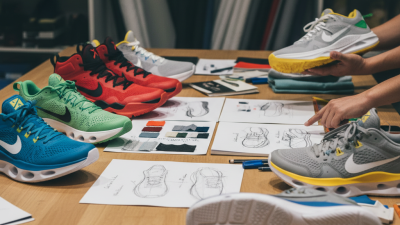
Choosing a supplier for Custom Athletic Footwear takes more than comparing catalog photos or quoted prices. Buyers need to know how a factory handles fit, materials, production capacity, and quality checks. A clean sample can look convincing under showroom lights. Real use reveals more. Ask for a development sample, then inspect its stitching, outsole grip, heel support, and comfort after repeated wear. Small details matter: a raised seam can rub, while a stiff sole may limit movement.
This 2026 guide helps buyers compare suppliers using practical questions and verifiable details. Review minimum order quantities, sample fees, production timelines, customization options, and communication practices before committing. Request clear specifications for upper materials, cushioning, outsole compounds, logos, and size grading. Then confirm how the supplier checks finished pairs against those specifications. Ask for recent references or relevant production examples where available. Promises are easy. Records are better. A supplier’s response to a defect question can reveal as much as its product presentation. Still, no checklist removes every risk, and early cost estimates may change once materials or tooling are finalized. Treat them as working figures, not guarantees. The strongest sourcing decision balances product performance, dependable communication, and realistic production terms. It also leaves room to question assumptions. That matters.
What Custom Athletic Footwear Suppliers Offer
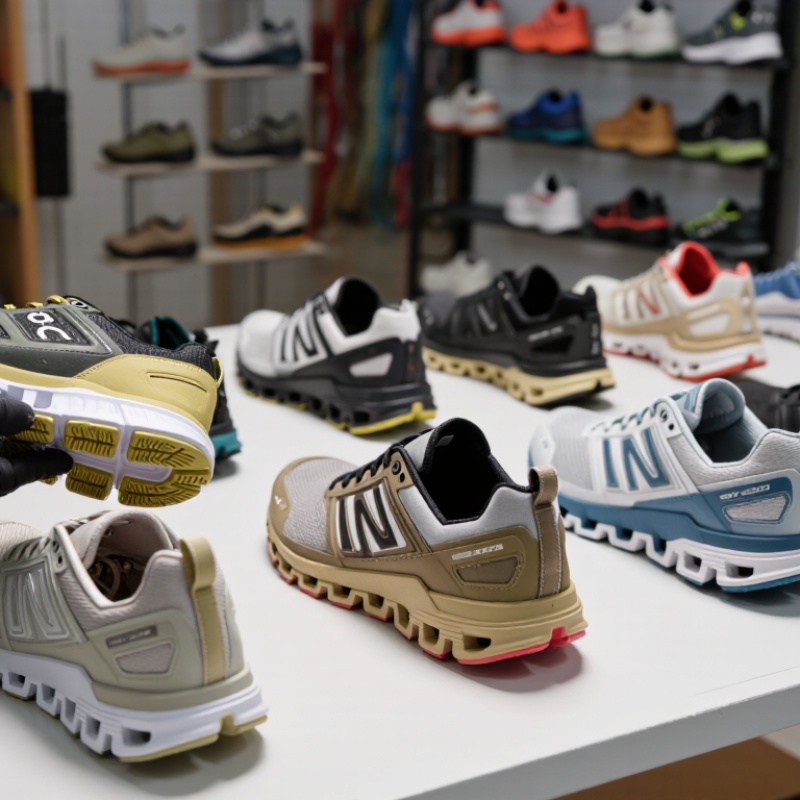
Custom athletic footwear suppliers can help buyers turn a performance brief into a shoe specification. Services often include last development, upper and outsole material selection, color matching, size grading, prototypes, and production planning. Some suppliers also provide wear testing, inspection reports, and custom packaging. The scope varies. Ask which services happen in-house and which rely on subcontractors. The World Footwear Yearbook 2024 estimated that global production reached 22.4 billion pairs in 2023, with Asia accounting for about 87 percent. That scale makes supplier capacity important, but high output alone does not prove consistent fit or quality.
Material choices can include engineered mesh, knit fabrics, rubber compounds, foam midsoles, and recycled-content options. Textile Exchange’s Materials Market Report 2024 stated that recycled polyester made up 12.5 percent of global polyester production in 2023. Buyers should ask for material documentation and clarify whether recycled content applies to the whole shoe or only selected components. Details matter. A supplier may offer a polished sample, yet bulk production can reveal changes in fit, bonding, or color. Request a pre-production pair, written tolerances, and a clear defect-handling process. Minimum order quantities, sample charges, lead times, and testing arrangements should also be confirmed early. Not always glamorous, but these details can prevent expensive surprises.
A practical comparison of common capabilities, services, and planning considerations when evaluating custom athletic footwear suppliers.
| Supplier Offering | What Buyers Can Usually Request | Typical Planning Considerations | Questions to Ask Before Ordering |
|---|---|---|---|
| Product Development | Design consultation, technical drawings, material recommendations, pattern development, and construction planning for a specified sport or use. | Development time depends on design complexity, available materials, and how many revisions are needed. | Who owns the technical files? How many revision rounds are included, and what are the development charges? |
| Upper Customization | Choice of upper materials, colors, overlays, stitching, lining, tongue construction, and placement of buyer-supplied graphics or identifiers. | Material availability and minimum dye or color quantities can affect cost and schedule. | Can you provide material specifications, color references, and pre-production samples for approval? |
| Outsole and Midsole Options | Selection of existing sole platforms, compounds, tread patterns, cushioning components, and, where available, custom molds. | Using an existing platform generally avoids new mold development. Custom tooling can add upfront cost and lead time. | Are the molds existing or newly made? Who pays for tooling, and who retains ownership? |
| Fit and Size Range | Size grading, fit samples, size-set samples, and adjustments to the last or pattern where the supplier supports them. | Fit should be checked across the intended size range; a sample in one size does not confirm fit in every size. | Which sizing system is used? Can you provide measurements and a size set before bulk production? |
| Sampling | Prototype, confirmation, and pre-production samples, depending on the supplier’s development process. | Sample charges and sample lead times vary. Changes after sample approval may require another sample round. | What does each sample stage include, and will the bulk order follow the approved materials and specifications? |
| Minimum Order Quantity | Order quantities may be set per style, color, or size assortment. Some suppliers offer lower quantities using existing materials or sole platforms. | There is no universal MOQ. Custom colors, materials, and tooling often require larger commitments than standard options. | Is the MOQ calculated per style, color, or total order? Can sizes be mixed within one production run? |
| Production and Quality Checks | Cutting, stitching, lasting, sole attachment, finishing, packing, and in-process or final inspection services. | Production schedules depend on order size, factory capacity, material readiness, and inspection or rework requirements. | What inspection criteria are used? Can the buyer or an independent inspector check the goods before shipment? |
| Testing and Documentation | Material or finished-product testing may be arranged for requested properties, subject to the product, market, and available test facilities. | Testing requirements differ by destination market and product claims; test results should match the final production materials. | Which tests can be supported, who pays for them, and will reports identify the tested materials and product version? |
| Packaging and Shipping Preparation | Individual shoe boxes, size labels, cartons, packing lists, and export packing coordination may be available. | Custom packaging can require separate artwork approval and minimum print quantities. Freight and delivery dates depend on the shipping method. | Are packaging specifications included in the quotation? Who arranges freight, export documents, and shipment insurance? |
Note: Offerings, minimum quantities, costs, and lead times vary by supplier, product specification, order size, and destination. Confirm all specifications and timelines in a written quotation and approved production documents.